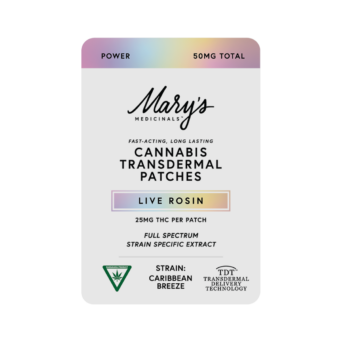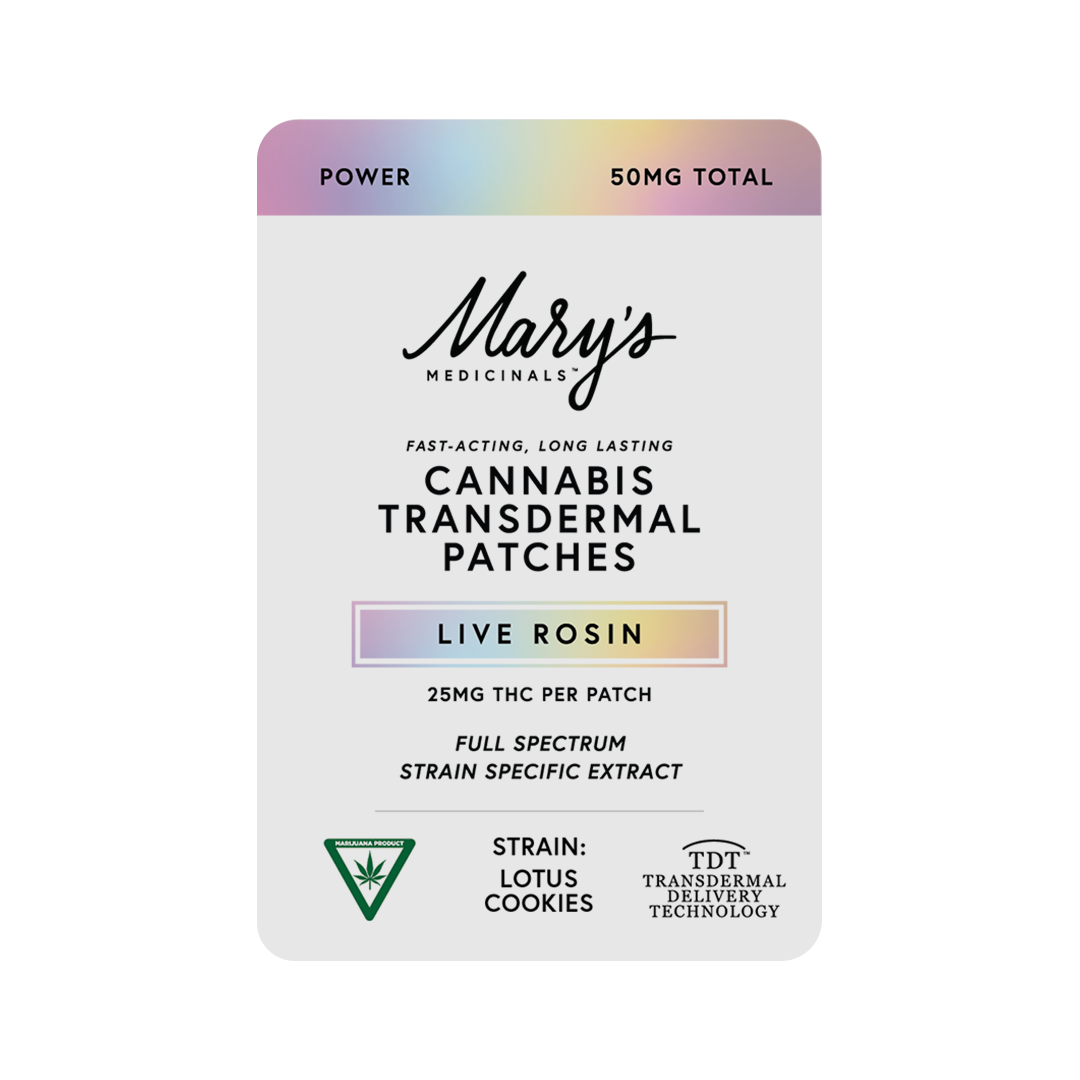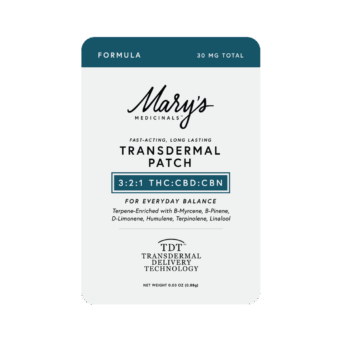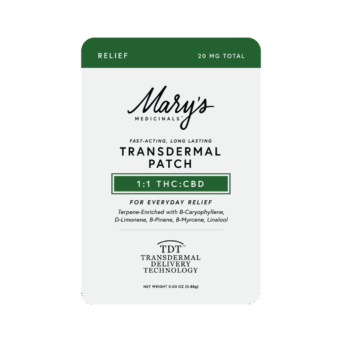
THC patches can look basically identical on a dispensary menu, but they rarely behave the same once you actually wear one. If you want a patch you can come back to again and again, you need a simple way to compare what’s behind the label: the COA, the dose, and the brand’s ability to keep things consistent from batch to batch.
We have been building transdermal cannabis products at Mary’s Medicinals from the very beginning, because skin is not just packaging. A true transdermal patch is designed to move cannabinoids 7 to 10 layers deep to reach the bloodstream. That is why we care so much about lab testing, clear labeling, and tight manufacturing control. Use the checklist below the next time you are deciding between patches, especially if you are shopping fast and do not want to guess.
THC patches 101: what you are buying (and what you are not)
In plain terms, a transdermal patch is meant to deliver cannabinoids through the skin barrier and into systemic circulation, similar to how nicotine patches are designed. That takes more than putting cannabis in sticky material. You are looking for a formula built with carriers and permeation enhancers, plus a patch design that supports steady delivery.
Why should you care? Because the format changes the day-to-day experience. Patches skip digestion, so many people find them easier to predict than edibles. They are also quiet and low-maintenance, which is why patches end up in routines that need discretion. If you want an easy third-party primer on what transdermal patches and gels are designed to do, take a look at this overview from Leaf411 on transdermal cannabis patches and gels.
THC patches checklist #1: only trust a batch-matched COA
A certificate of analysis (COA) is the lab report for a specific batch or lot. Not a sample from last year. Not a generic screenshot. The report should tell you what is in the patch and whether it passed safety testing.
When you are standing there with a product in your hand, this is the quick check that matters:
- Match the lot or batch number on the COA to the number on your package.
- Scan the potency panel to confirm the cannabinoids listed on the label actually show up on the report.
- Look for safety testing that includes pesticides, heavy metals, residual solvents, and microbes, not only potency.
If you want a no-nonsense walkthrough of the sections and common red flags, use our guide on how to read a cannabis COA.
THC patches checklist #2: “lab tested cannabis” should be easy to verify
“Lab tested” gets tossed around a lot. What you want is testing that is both comprehensive and verifiable, with a COA you can access quickly for the exact batch you are buying.
Transdermal formats can also require specialized methods, and it is a good sign when a brand treats patch testing as its own category instead of assuming one size fits all. One example of what specialized transdermal testing can involve is outlined by ACS Laboratory’s transdermal patch testing services.
As you compare brands, look for:
- More than just THC and CBD in the potency breakdown when the product claims additional cannabinoids.
- Clear pass or fail contaminant panels, ideally with actual numbers shown.
- Credibility signals such as ISO/IEC 17025 accreditation, which is the common quality standard for testing labs.
One honest note from us: potency testing tells you what is in the patch, not exactly how much your body absorbs. Skin thickness, hydration, placement, and your own endocannabinoid system all play a role. Still, a batch-matched COA is your best starting point for a predictable purchase.
THC patches checklist #3: dosing should be obvious, not a puzzle
Dose confusion is where shoppers get burned. A reliable patch brand spells out total milligrams per patch, and you can cross-check that number against the COA without doing mental gymnastics.
Here is what clear dosing communication usually includes:
- Total cannabinoid content per patch in milligrams.
- Wear time guidance so you know what the brand intends (and what “all-day” actually means to them).
- Ratio clarity when more than one cannabinoid is used, like THC:CBD:CBN.
If you are trying to understand why patches feel different than other formats, this explainer from The Cannigma on THC transdermal patches is a useful third-party reference for typical wear-time expectations and delivery basics.
Comparing THC patches with THCa and CBN on the label
Once you move past “just THC,” the COA matters even more. Two cannabinoids you will see often are THCa and CBN. We helped pioneer both as targeted wellness tools, and we will be the first to tell you that labels can get sloppy in this part of the market.
If the label says THCa: THCa is the acidic form of THC and it should be listed separately from Delta-9 THC on a COA. You might also see a lab calculate “Total THC,” but patches are not heated the way inhaled products are. If you are paying for THCa, you should see THCa clearly identified and quantified on the batch-matched COA.
If the label says CBN: CBN is commonly used in nighttime routines and wind-down formulas. If a patch claims a THC:CBD:CBN blend, the potency panel should show each cannabinoid with numbers that line up with the package. If you want to get more nuanced about how blends can feel different, our post on CBN for sleep vs relax and terpene-driven effects can help you compare products with a sharper eye.
Consistency signals: how to spot serious patch manufacturing
A COA is a snapshot. Consistency is the movie. If you find a patch that works for your routine, you want to know it will not turn into a totally different experience the next time you buy it.
When you are comparing THC patches, these are meaningful green flags you can verify yourself:
- Batch-specific COAs that match your package lot number.
- Potency that does not swing wildly from run to run.
- Safety testing that repeats every batch, including pesticides, heavy metals, residual solvents, and microbials.
- Basic transparency about patch design, including whether it is matrix or reservoir-style.
If you want an even broader reality check for quality claims, our guide to what “clinical-grade cannabis” should mean for shoppers lays out what you can confirm versus what you are just being asked to believe.
Matrix vs reservoir THC patches: a simple way to decode “steady release”
When two brands both promise long-lasting effects, patch design can explain why one feels smooth and the other feels uneven. You will usually see one of these formats:
- Matrix patches, where cannabinoids are blended throughout the adhesive layer.
- Reservoir patches, where cannabinoids sit in a separate compartment designed to release over time.
Neither design is automatically “better.” The practical takeaway is that design affects how brands talk about release rates. If a label claims “mg per hour,” you should be able to find an explanation for how that claim is supported, plus COAs that show batch-to-batch consistency.
| What you are comparing | What a trustworthy brand shows you | What should make you pause |
|---|---|---|
| COA access | Public, easy-to-find COA that matches your lot number | No COA, hard-to-access COA, or a report that is not batch-specific |
| Potency clarity | Each cannabinoid on the label appears clearly on the potency panel | Missing cannabinoids, mismatched totals, or vague “total cannabinoids” claims |
| Safety testing | Pesticides, heavy metals, residual solvents, and microbials included | Only potency tested or safety panels left out |
| Consistency | Similar potency and testing coverage across batches | Big swings in mg totals or reused reports across lots |
| Formulation transparency | Clear explanation of what the patch is designed to do and how to use it | Marketing phrases with no supporting details |
Do not forget the human variables that change how THC patches feel
Even with a clean COA and consistent manufacturing, your body is still part of the equation. Where you place a patch, how hydrated your skin is, whether there is body hair, and how much you sweat can all change the experience.
For the most consistent results, we recommend applying transdermal patches to the inner wrist, top of the foot, or back of the knee, where skin tends to be thinner and veins are closer to the surface. If discretion is your top priority, the top of the foot is usually the easiest spot to keep covered.
If patches are part of your routine, rotate application sites. Alternate left and right wrist, and left and right foot. Your skin will thank you, and your results tend to feel steadier over time.
FAQ: Comparing THC patches, COAs, and dosing
What should a certificate of analysis include for THC patches?
You want a batch-specific COA with a lot number that matches your package. At a minimum, look for cannabinoid potency that aligns with the label plus safety panels for pesticides, heavy metals, residual solvents, and microbials.
Is “lab tested cannabis” enough to trust a THC patch brand?
It is the starting line. “Lab tested” should mean you can view a third-party, batch-matched COA with both potency and safety testing. If you cannot see the report for the exact lot you are buying, you are being asked to take it on faith.
How do you compare dosing between different THC patches?
Compare the total milligrams per patch, confirm the cannabinoid ratio if one is claimed, and verify the numbers against the COA. Then factor in intended wear time and your personal tolerance.
Why does THCa look different on a COA than THC?
THCa and Delta-9 THC are different cannabinoids, so they are usually listed separately. Some labs also calculate “Total THC,” but patches are not heated like inhaled products. If you are buying THCa, make sure THCa is listed and quantified on the COA.
Where should you apply transdermal THC patches for more consistent results?
Try the inner wrist, top of the foot, or back of the knee. Rotate sites over time, alternating left and right sides. We do not recommend the ankle, upper arm, or lower back for optimal absorption, since the skin is often thicker there.
Conclusion: compare THC patches like you actually want the same result twice
The smartest way to shop for THC patches is not by the biggest number on the label. It is by what you can verify. Start with a batch-matched COA, insist on clear dosing, and look for consistency signals that show the brand can repeat what they make.
If you want help picking a transdermal option that fits your routine, reach out through Mary’s Medicinals customer support and we will point you in the right direction.