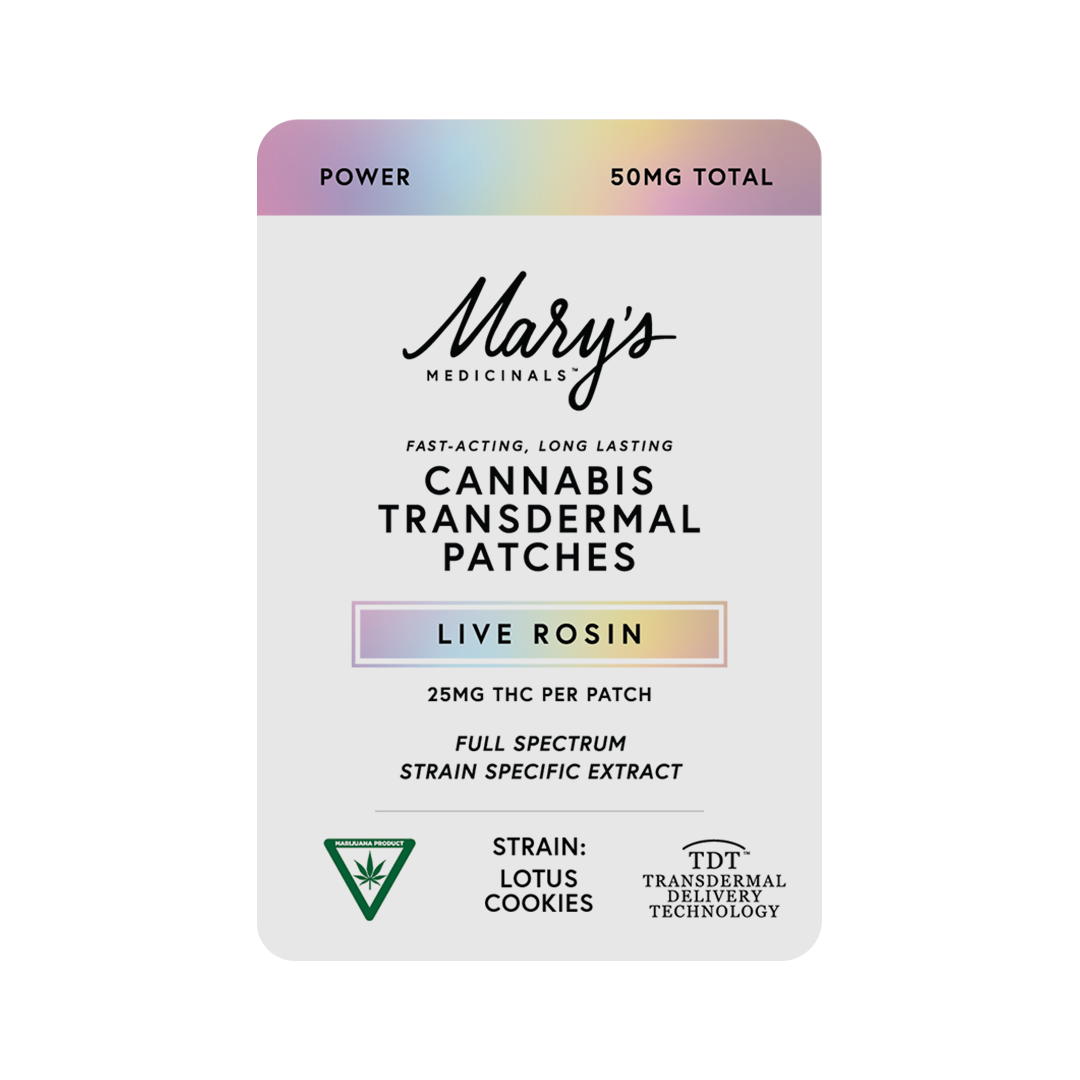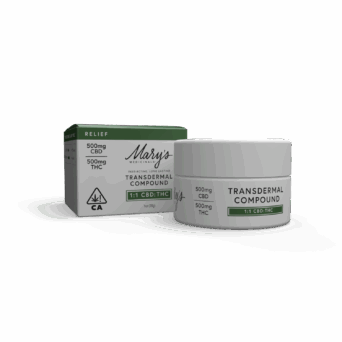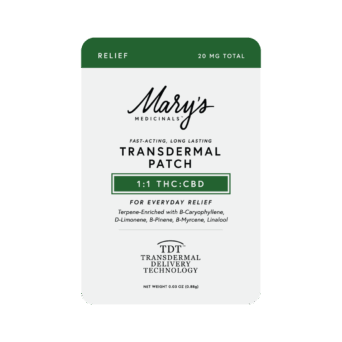
COA cannabis reports are why you can flip over a Mary’s Medicinals Power Patch, scan the QR code, and see what the lab saw, not just what the label says. If the words “certificate of analysis” make your eyes glaze over, you’re in good company. Once you know where to look, a COA becomes a quick gut-check for potency, safety, and whether the report actually matches the product in your hand.
We’ll walk you through what shows up on a typical Power Patch COA, how to read the parts that matter most, and a few easy-to-spot red flags. You do not need a science degree. You just need a simple routine.
Certificate of analysis basics: what a COA cannabis report actually is
A certificate of analysis, usually shortened to COA, is a lab report made by an independent third-party testing facility. It’s tied to one specific batch and shows two big things:
- Potency: which cannabinoids were measured and how much of each was found
- Safety screening: results for common contaminants like pesticides, heavy metals, solvents, and microbes
Think of it like the receipt for quality. It is not marketing copy. It is documentation. If you want a plain-language explanation from regulators, the New Jersey Cannabis Regulatory Commission’s COA overview lays out what a COA is designed to tell you as a consumer.
How to read a certificate of analysis: the 60-second COA cannabis checklist
When you pull up a COA, start with three quick questions. This is the same little “checklist in your head” we use when we’re reviewing paperwork internally.
- Does the batch or lot number match your package? If the numbers do not match, stop right there. That COA is not confirming your patch.
- Do the cannabinoids match what you meant to buy? If you chose Recovery (THCa) Transdermal Patch, you should see THCa in the potency section. If you picked Formula (THC:CBD:CBN) Transdermal Patch, you should see those cannabinoids listed.
- Does it clearly pass safety testing? Look for “Pass” and for results reported as non-detect where appropriate.
If you like having a second reference point, the New York State Office of Cannabis Management COA reading guide is one of the clearest consumer-friendly breakdowns we’ve seen.
Certificate of analysis section #1: sample and batch information (your authenticity check)
The top of the COA is not filler. It is your “is this even mine?” section. You’ll usually see:
- Product name and product type
- Brand name
- Sample received date and test date
- Batch, lot, or sample ID
Here’s why we push this so hard: a COA is only meaningful when it’s connected to the exact production run you’re using. Batch-level traceability is one of the simplest ways to keep your routine predictable, especially with transdermals.
Certificate of analysis section #2: potency (and why COA cannabis lists THC and THCa separately)
This is the section most people jump to first, and honestly, you should. The potency panel is where you’ll see cannabinoids like Delta-9 THC, THCa, CBD, CBN, and sometimes CBG and others, depending on the product and the state’s required panel.
Two details matter a lot for a Power Patch:
- THCa and Delta-9 THC are separate line items. That’s expected. A transdermal patch is not heated the way flower is when it’s smoked or vaped, so acidic cannabinoids like THCa are often shown as THCa on the report.
- Total THC may be calculated. Many labs use a standard formula to estimate what THCa would look like if it were converted with heat: Total THC = (THCa × 0.877) + Delta-9 THC.
If you’re building a clear-headed recovery routine around THCa, you might also want the longer, practical version of this conversation in THCa Recovery Explained: What a THCa Patch Does.
COA cannabis safety screens: what “Pass,” “ND,” and “LOQ” really tell you
Potency is only part of the story. A COA should also show you the product was screened for contaminants. Depending on the state and the product category, that often includes:
- Pesticides
- Heavy metals such as lead, arsenic, cadmium, and mercury
- Residual solvents when extraction methods are involved
- Microbials like yeast, mold, and certain bacteria
You’ll usually see a few abbreviations that look like they belong in a lab notebook. The basics:
- Pass: the sample met the state’s action limits
- ND: “non-detect,” meaning it wasn’t found above the lab’s reporting threshold
- LOQ: “limit of quantification,” the smallest amount the lab can reliably measure, so you might see results reported as “< LOQ”
For a third-party walk-through of how labs typically present potency plus safety panels, ACS Laboratory’s guide to reading a COA does a solid job of explaining the shorthand without making it feel like homework.
How to read a certificate of analysis for transdermals (Power Patch COA vs edibles or flower)
One reason COAs can feel confusing is that people try to read every product category the same way. But the delivery format changes what the lab numbers mean for your day-to-day experience.
- Edibles: go through digestion and first-pass metabolism, which can make the timing and intensity feel less predictable.
- Inhalables: are heated, which changes cannabinoid forms and can shift what you see as “total” numbers.
- Transdermal patches: are designed to deliver cannabinoids through the skin and into systemic circulation, so what’s listed on the COA often lines up more closely with what you’re actually wearing during that window.
Our patches are designed for clinical-grade delivery and high bioavailability. They’re built to go 7 to 10 layers deep all the way into the bloodstream, which is exactly why we care so much about consistent batch testing. If you want the “why does this feel different?” explanation in everyday language, we wrote it up in First-Pass Metabolism: Why Edibles Hit Harder Than Patches.
How to verify a Power Patch COA and spot red flags fast
Most of the time, verification is simple: scan the QR code on the packaging, pull up the report, and match the batch or lot number. Then give the safety panels a quick check for clear pass results.
Now for the stuff that should make you pause. If you see any of the following, it’s worth asking questions before you trust the report:
- No batch or lot number, or it does not match what’s printed on your package
- Potency-only results with missing contaminant panels
- No lab identification such as testing methods, accreditation details, or responsible party sign-off
- Dates that don’t make sense for the product run you’re holding
One more practical note: small variability between batches is normal in cannabis. What you want is a complete report tied to a specific batch and produced by an accredited lab. California, for example, requires licensed cannabis testing labs to maintain ISO/IEC 17025 accreditation, and the California Department of Cannabis Control testing laboratory requirements outlines that baseline standard.
COA cannabis glossary: common lab test terms (translated)
| Term | What it means | What you do with it |
|---|---|---|
| ND | Non-detect above the lab’s reporting threshold | Often what you want to see for contaminants |
| LOQ | Limit of quantification | If a result is “< LOQ,” it’s below what the lab can reliably measure |
| HPLC | High-Performance Liquid Chromatography | A testing method that does not rely on heat, which helps measure acidic cannabinoids like THCa |
| Pass/Fail | Whether the sample met the state’s action limits | Use it as your non-negotiable baseline for safety panels |
How to use a certificate of analysis to pick the right patch for your routine
A COA is not just for compliance. You can use it like a personal preference tool, especially if you’re trying to stay consistent or you’re sensitive to THC.
- Compare cannabinoid profiles to match your goal, like daytime support, nighttime wind-down, or recovery.
- Look for steady patterns across batches, so your routine feels familiar week to week.
- Treat safety panels as the entry fee, not a bonus feature.
If you want help connecting COA numbers to the info on your pouch or box, Transdermal Patches: How to Read Dose, Ratio, Terpenes is the next step after this COA basics guide.
FAQ: certificate of analysis and Power Patch COAs
What is a certificate of analysis for a cannabis patch?
A certificate of analysis is a third-party lab report tied to a specific batch. It verifies cannabinoid potency and shows contaminant screening results such as pesticides, heavy metals, residual solvents, and microbials.
Why does THCa show up on my Power Patch COA?
THCa is the naturally occurring acidic form of THC. Since patches are not heated, THCa is commonly measured and listed as THCa on the lab test.
What does ND mean on a COA cannabis report?
ND usually means non-detect, which indicates the compound was not detected above the lab’s reporting threshold. You’ll often see ND for contaminant panels.
How do I verify I’m looking at the right Power Patch COA?
Match the batch or lot number on your packaging to the batch ID on the COA. If they do not match, the report is not verifying the product you have.
What if I can’t find the COA or I want help reading a lab test?
Ask your dispensary for the COA and feel free to reach out to us for help interpreting what you’re seeing. Start with the Mary’s Medicinals contact page and our team will point you in the right direction.
Conclusion
Reading a certificate of analysis gets easy once you give yourself a simple order of operations: match the batch, scan the potency panel, then confirm the safety screens passed. That’s it. A COA cannabis report should leave you feeling informed, not overwhelmed.
If you ever want a second set of eyes on a Power Patch COA, we’re here for that. Keep scanning the QR codes, keep asking smart questions, and keep your routine grounded in real testing.