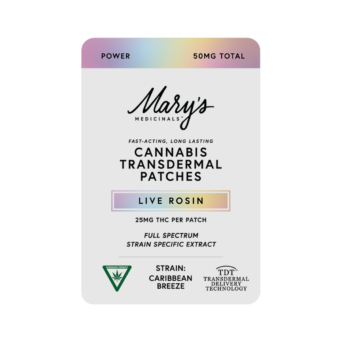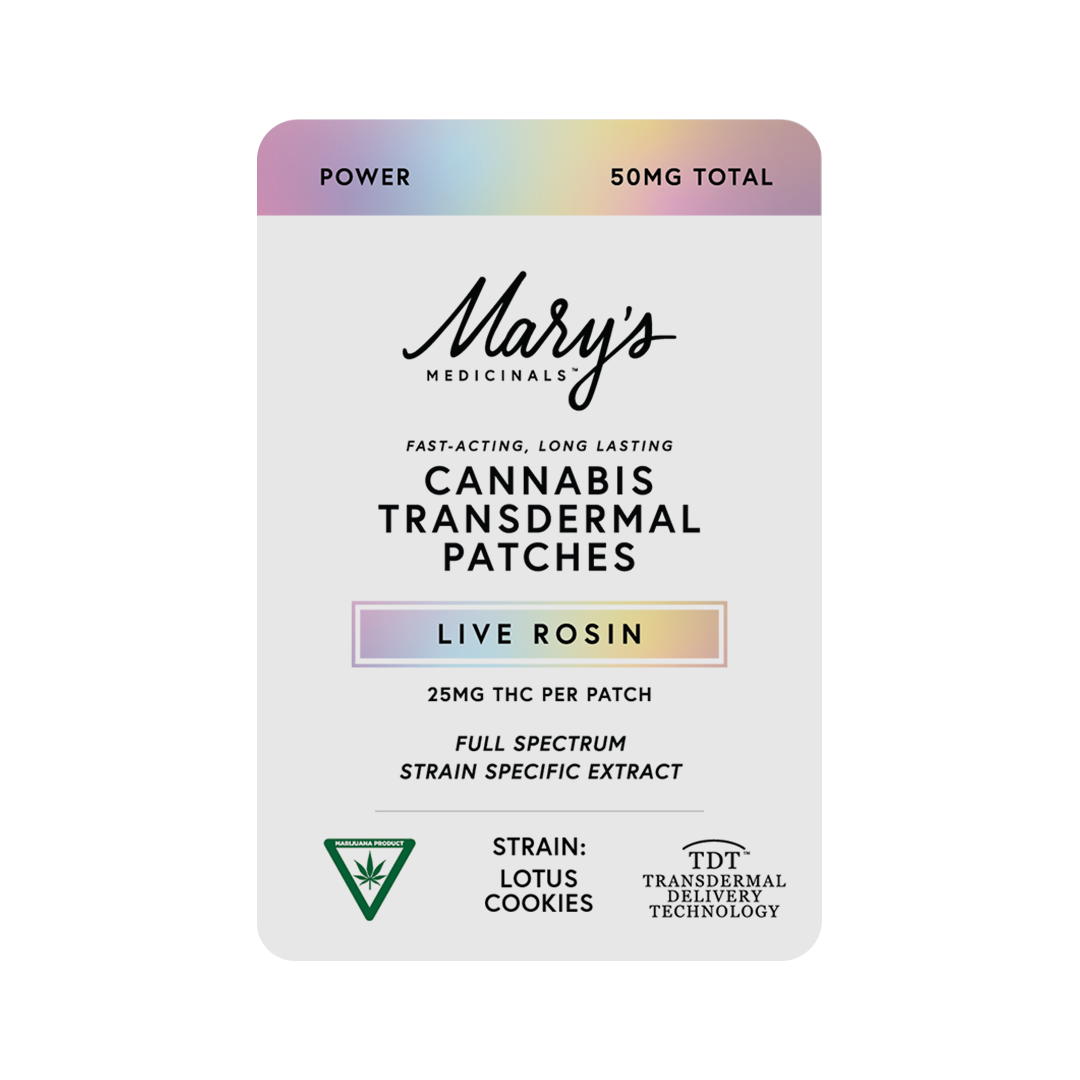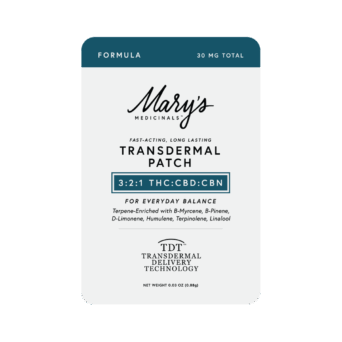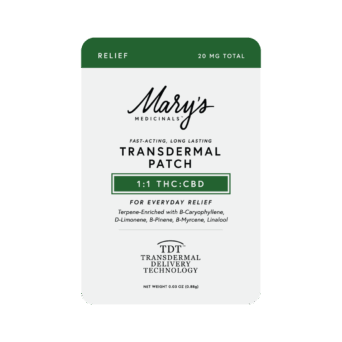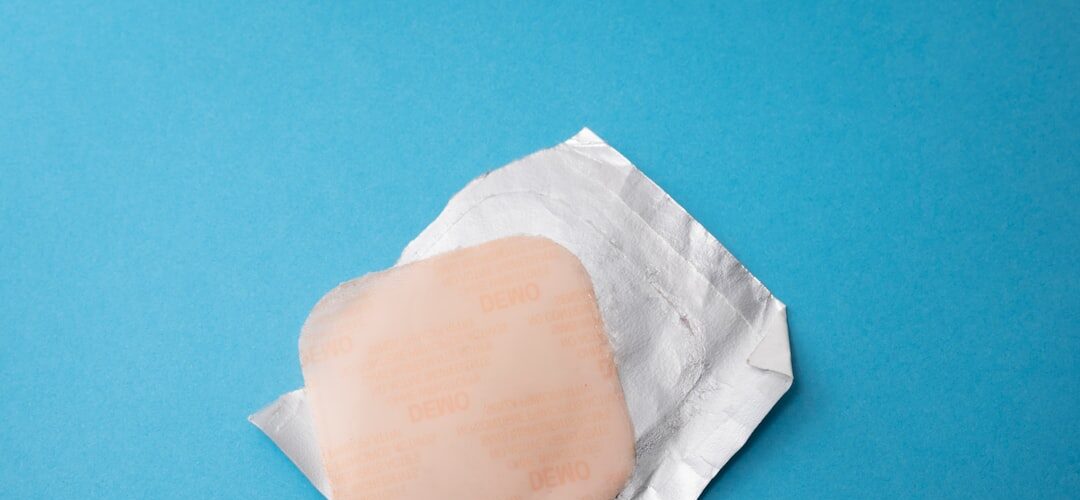
Transdermal patches look simple on the outside, but the label is where you find out whether you are signing up for a steady, repeatable ride or something that feels like guesswork. If you have ever stood at the counter thinking, “Wait, is this number the dose I feel… or the dose in the whole patch?”, you are in good company. We built Mary’s around transdermal delivery because it fits real life: discreet, consistent, and designed for accurate dosing you can actually plan around.
Below is the cheat sheet we wish everyone had the first time they picked up a patch. You will learn how to read the dose, understand the cannabinoid ratio, make sense of terpenes, and spot the practical details that separate a well-made transdermal from a “patch-shaped topical.”
Transdermal patches vs topical patches: what the label should say
First, a quick reality check: not every product called a “patch” is a true transdermal. A transdermal patch is designed to deliver cannabinoids through the skin barrier and into circulation for systemic effects. A topical-style patch is usually meant to stay closer to the surface, more like a targeted, skin-level approach.
So what do you do in the moment? You look for clear language. If the label does not clearly say transdermal patches or “transdermal delivery,” you are not wrong to pause and ask questions.
If you want the deeper “how it works” version, we keep it simple in our guide on how cannabis transdermal patches work.
Dose on transdermal patches: what the mg number is actually telling you
On most labels, the dose shows up in milligrams (mg). That mg number is typically the total amount of active cannabinoids in the patch, not a promise of how strong it will feel minute-to-minute. (Your body has a vote, too.)
One reason people like transdermals is the steadier feel. Since transdermal delivery bypasses digestion, the experience is often more even than an edible that can spike or stall depending on what you ate, when you ate, and a dozen other tiny variables. This is also why transdermal formats are often discussed for their potential bioavailability advantages compared to oral routes. If you want a big-picture overview of transdermal delivery in a consumer-friendly way, see this explainer from Healthline on transdermal patches.
A practical way to start
- If you are new: start low, then give it a real window of time before you decide you need more. Many people check in around 30 to 60 minutes.
- If THC tends to hit you hard: choose a lower mg and pair it with a CBD-forward or balanced ratio.
- If you want repeatability: keep your first few tries consistent, same dose and similar placement, so you can learn what your baseline feels like.
Also, patches have an underrated feature: they are adjustable in real time. If you feel like you have landed where you want to be, you can remove the patch. For more on the general concept of patch wear time and consumer use, you can skim this overview from Get Canna Card.
Cannabinoid ratio on transdermal patches: the part that shapes the vibe
If you only read one line on the label, make it the cannabinoid ratio. The ratio tells you the balance of cannabinoids in the formula, and that balance can influence whether the experience feels more clear-headed, more body-forward, or more noticeably intoxicating.
| Common label ratio | What it usually means in plain language | Who it often fits best |
|---|---|---|
| THC-only | More THC-led effects, with higher potential for intoxication. | Experienced shoppers who know they want THC-forward support. |
| CBD-only | Non-intoxicating, often chosen for daytime calm and recovery routines. | People who want to stay clear-headed, or who avoid THC. |
| 1:1 CBD:THC | Balanced feel. CBD can soften the sharp edges of THC for many people. | Those who want THC in the mix, but not an all-or-nothing experience. |
| CBD-forward (example 3:1) | More CBD than THC, usually milder intoxication potential. | THC-sensitive folks who still want a small amount of THC present. |
| Multi-cannabinoid blends | Ratios that may include cannabinoids like CBN, often designed with nighttime routines in mind. | People building an evening wind-down plan. |
If you want our take on the balanced option, we wrote a full guide to 1:1 CBD:THC patches and what that ratio tends to feel like in a transdermal format.
One small but important label habit: read the exact cannabinoid names, not just the big letters. THC and THCa are not the same thing. CBN and CBG each have their own personality too, especially when you are wearing the transdermals for hours. We were one of the first brands to bring pioneering cannabinoids like THCa and CBN to market, so you will see them show up in Mary’s formulas with a purpose, not as an afterthought.
Terpenes on transdermal patches: what to notice (and what to ignore)
Terpenes are responsible for the flavors, aromas, and effects of different cannabis strains, and we use terpene infusion in Mary’s Transdermal Patches to create more targeted experiences. On a label, terpene details might show up as specific names in an ingredient list, or as a described blend.
Here is the low-pressure way to read that part of the label:
- Specific terpene names listed: usually a good sign the brand is being transparent about what is inside.
- A blend with no details: not automatically bad, but you may have less info for repeating the same feel next time.
- Do not overthink scent: terpenes can be present in small amounts. A terpene-infused patch does not necessarily smell like cannabis.
Label essentials for transdermal patches: duration, placement, and COAs
Once dose, ratio, and terpenes make sense, the rest of the label helps you use the patch well. These details sound small until you are trying to fit a patch into a workday, a flight, or a full night’s sleep.
- Duration: most transdermal patches are designed to be worn for a set window, effective for up to 8 hours. If a label is vague, ask why.
- Placement guidance: you will usually see suggestions like inner wrist or ankle. Areas with thinner skin and steady blood flow are common picks.
- COA or batch testing: look for a QR code, batch number, or link to third-party lab results so you can verify cannabinoid content and purity.
Quick note from our side: Mary’s Medicinals Patches are designed to go 7 to 10 layers deep all the way into the bloodstream. That is part of why people come back to transdermal delivery when they want consistent, measurable results.
If you want to compare options by cannabinoid blend and intended use, browse Mary’s Transdermal & Topical products.
How our patch “effect lines” show up on the label
We try to make choosing easier by grouping patches into effect lines. You will still want to confirm the dose and ratio, but this is a helpful starting point if you are building a routine.
- Restore (CBD) Transdermal Patches: CBD-forward, non-intoxicating support.
- Recovery (THCa) Transdermal Patches: built around THCa for a different kind of daytime-to-evening support.
- Focus (CBG) Transdermal Patches: CBG-led option when you want to stay present and functional.
- Relief (CBD:THC) Transdermal Patches: balanced ratio support for those who want both cannabinoids working together.
- Formula (THC:CBD:CBN) Transdermal Patches: multi-cannabinoid blend many people save for nighttime routines.
- Energy (THC Sativa) Transdermal Patches: THC-led option that leans more daytime for some people.
- Relax (THC Indica) Transdermal Patches: THC-led option many people reserve for evenings.
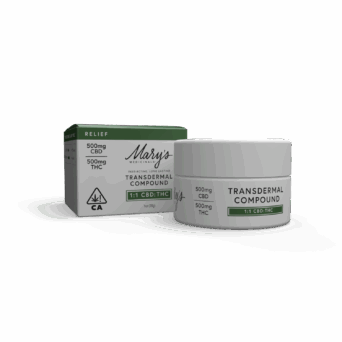
If you are also shopping beyond patches, remember our balms are called Compounds at Mary’s, and our Transdermal Compound is designed for 3 to 5 hours of spot-specific support, longer than your standard topical.
FAQ: Reading a transdermal patches label
How do I compare transdermal patches to edibles by mg?
There is no perfect 1:1 conversion. Transdermal delivery bypasses digestion and tends to feel steadier, while edibles can vary a lot based on your metabolism and what is in your stomach. Use the mg as a starting point, then dial in based on your own experience.
If you are THC-sensitive, what ratio is a smarter place to start?
Many THC-sensitive shoppers do well starting with a CBD-forward ratio such as 3:1 CBD:THC, or a balanced 1:1. Keep the total mg on the lower side at first so you can learn your comfort zone.
Do terpenes listed on the label mean the patch will smell like cannabis?
Not necessarily. Terpenes can be included in small amounts as part of terpene infusion, and scent depends on the formula and packaging. The bigger win is knowing what is inside so you can repeat the same experience later.
What is the biggest red flag on a transdermal patches label?
Two things: the label never clearly says “transdermal,” and there is no easy way to find a COA or batch testing information. If you cannot verify what is in it, it is tough to trust it.
Where should you place a transdermal patch?
Start with common spots like the inner wrist or ankle, then keep placement consistent for your first few wears. Small changes can affect how the patch feels, so consistency helps you learn faster.
Conclusion: read transdermal patches like you are building a routine
Transdermal patches work best when you treat them like a tool you can rely on, not a one-off experiment. Start with the mg dose, choose a cannabinoid ratio that matches your goal, and let terpene notes and COAs add confidence. When the label makes sense, your routine gets easier.
When you are ready to pick your next patch, explore our education guides in the Mary’s Learn hub and ask your dispensary team which Mary’s options fit your schedule and comfort level.