Clinical-grade cannabis gets tossed around a lot, and if you’re the one paying for it, you deserve a definition that holds up in real life. When you’re choosing something dose-specific like a transdermal patch or a carefully balanced formula, “probably fine” is not the vibe. You want receipts, consistency, and a label that matches what’s actually in the package.
We’re Mary’s Medicinals. We’ve been in the weeds (the science weeds) for a long time, building products around transdermal delivery and cannabinoids people didn’t always know to ask for, like THCa and CBN. So when we say “clinical-grade,” we’re not trying to sound fancy. We’re talking about proof, repeatability, and accountability you can check for yourself.
Clinical-grade cannabis: what it is (and what it is not)
Let’s clear up the big misconception. In the U.S., there is no single federal office handing out a gold star that officially crowns a product “clinical-grade.” Cannabis laws and testing rules are still a patchwork, which means the term can be used even when a brand is only doing the bare minimum.
So what do you do with that? You shop like a skeptic in the best way. You look for a stack of verifiable signals: a batch-specific certificate of analysis, independent lab testing, broad safety screening, and potency that stays consistent so your dosing does not turn into guesswork.
Clinical-grade cannabis checklist #1: a real certificate of analysis (COA)
If you only check one thing, make it the certificate of analysis, or COA. That’s the lab report tied to a specific batch that tells you what’s in the product and what is not. It’s not marketing copy, and it’s not a generic “we test everything” promise.
Regulators are pretty direct about what a COA is supposed to do for you: connect real results to a specific product batch. You can see this consumer-focused framing in the New Jersey Cannabis Regulatory Commission guidance on COAs and testing.
If you want an easy way to sanity-check a report, the New York Office of Cannabis Management COA reading guide walks through the basics in plain language. Keep that mindset: a COA is not a nice-to-have. It is how you verify lab tested cannabis, instead of taking someone’s word for it.
Clinical-grade cannabis checklist #2: third-party lab tested cannabis with ISO accreditation
“Lab tested” sounds reassuring, but the details matter. You want testing done by an independent lab, not a mystery in-house setup with no clear credentials.
One practical marker to look for is ISO/IEC 17025, an international standard used to assess testing lab competence. Some states require it for licensed cannabis labs. California, for example, points to this expectation in the California Department of Cannabis Control testing laboratory requirements.
On your COA, look for the lab’s name, address, and accreditation details. If it’s missing, vague, or hard to confirm, treat that as a reason to pause.
Clinical-grade cannabis checklist #3: full-panel safety testing (not just potency)
Potency numbers are only one piece of the story. A clinical-grade cannabis mindset is about safety, too, especially if you use a product regularly or you’re trying to dial in a routine you can repeat.
When you scan a COA, you want to see more than THC and CBD. A strong report typically includes:
- Cannabinoid potency that includes the cannabinoids relevant to the product, such as THC, THCa, CBD, CBN, and more as applicable
- Terpene profile when relevant, since terpenes are responsible for the flavors, aromas, and effects of different cannabis strains
- Pesticide screening
- Heavy metals analysis
- Residual solvents, especially for extract-based formulas
- Microbials and, when included, mycotoxins
If the COA looks like a template, skips multiple safety categories, or does not show clear pass or fail results, that’s not “clinical-grade” in practice. It’s just a label.
Clinical-grade cannabis checklist #4: accurate dosing you can actually use
This is where things get personal fast. You’re not shopping for a trivia fact, you’re shopping for a product that behaves the same way next week as it did today. If your label says 5 mg, you want to trust that 5 mg means 5 mg, batch after batch. Otherwise you end up constantly tinkering, which is annoying at best.
Accurate dosing depends on two things working together: reliable testing and consistent manufacturing. And if you’re choosing transdermal, consistency matters even more because the whole point is a controlled release through the skin.
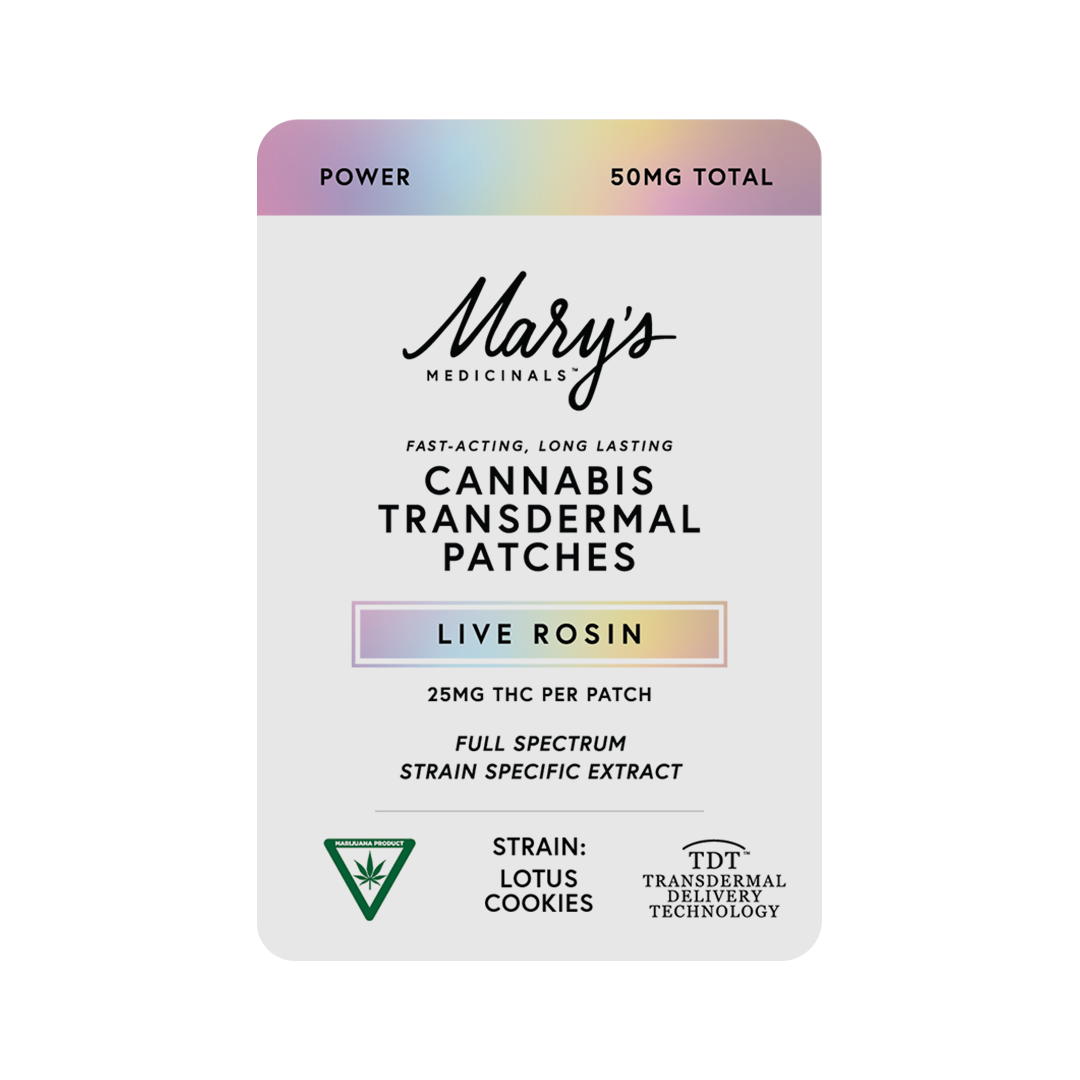
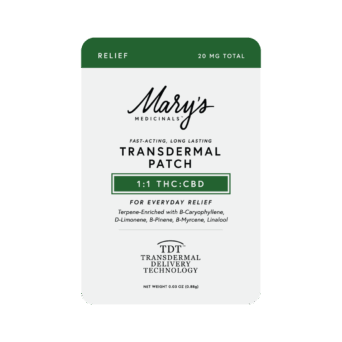
We built our patches with that precision in mind. Mary’s Medicinals transdermal patches go 7 to 10 layers deep all the way into the bloodstream, so we take formulation and batch traceability seriously. Not because it sounds impressive, but because it’s what makes a wellness routine feel steady instead of random.
Clinical-grade cannabis checklist #5: COA freshness and batch matching
Even a great COA is useless if it does not match the product you’re holding. Before you buy, check the batch or lot number on the packaging. Then confirm that exact number is on the COA.
A couple quick gut-checks:
- If a brand posts one COA for an entire product line, that’s a problem.
- If you have to email three times to get a report, that’s a problem.
- If the COA is old enough that you’re wondering what year it is, ask for the most recent batch.
Cannabinoid and terpene profiles can shift over time, and products move through supply chains at different speeds. A clinical-grade approach makes it easy for you to find a recent, batch-specific report without playing detective.
A quick table you can use while shopping for clinical-grade cannabis
If you want a fast “pass or pause” filter while browsing online or standing at the counter, this is it.
| What to check | What clinical-grade looks like | Red flags |
|---|---|---|
| Certificate of analysis | Batch-specific COA is easy to access via QR code, label link, or website | No COA, or “available upon request” with no follow-through |
| Batch match | Batch or lot number on the COA matches your packaging | Generic COA with no batch identifiers |
| Lab independence | Third-party lab is clearly identified | No lab name, or vague “tested internally” language |
| Lab accreditation | ISO/IEC 17025 is listed on the COA or in the lab credentials | No mention of accreditation or quality standards |
| Testing scope | Full-panel testing: potency plus contaminants | Potency-only testing |
| Accurate dosing | Clear mg or % values and a dose format you can repeat | Unclear servings, vague potency, inconsistent labeling |
How we think about clinical-grade cannabis accountability at Mary’s
We cannot control the fact that “clinical-grade” is not a federally regulated cannabis label. What we can control is how we show up for you: clear documentation, straightforward education, and products built around consistent dosing and delivery.
If you’re curious about transdermal specifically, start with our cannabis education hub on transdermal delivery and bioavailability. And if you want to get more practical with labels and what those numbers mean, we break it down in Transdermal Patches: How to Read Dose, Ratio, Terpenes.
If you ever want a second set of eyes on what you’re seeing on a COA, or you’re trying to pick a format that fits your routine, reach out through the Mary’s Medicinals support team. You do not have to figure it out alone.
FAQ: Clinical-grade cannabis shopping
Is “clinical-grade cannabis” a regulated term?
No. In the U.S., there is no single federal certification for “clinical-grade cannabis,” so it’s smart to rely on verifiable proof like COAs, independent lab testing, and consistent dosing.
What should a certificate of analysis include?
At minimum, look for batch identifiers, cannabinoid potency, and a broad safety panel such as pesticides, heavy metals, residual solvents, and microbials. The report should clearly identify the testing lab and, ideally, note ISO/IEC 17025 accreditation.
How can you tell if something is truly lab tested cannabis?
You should be able to access a COA that is public, batch-matched to your product, and produced by an independent lab. If the report is generic or the batch does not match, treat that as a reason to hold off.
Why does accurate dosing matter so much for a wellness routine?
Because repeatability is the whole point. When dosing is consistent, you can find what works for your body and stick with it without constantly adjusting from package to package.
Can you help me choose a Mary’s format?
Yes. If you want help comparing options or understanding what you’re seeing on a label or COA, reach out through the Mary’s Medicinals contact page and we’ll point you in the right direction.
Conclusion
Clinical-grade cannabis is not a buzzword. It’s a paper trail you can verify, testing standards you can spot on a COA, and dosing you can actually rely on. Bring this checklist with you, trust your skepticism, and shop for consistency. If you want help interpreting a report or narrowing down a format, we’re always happy to talk it through.