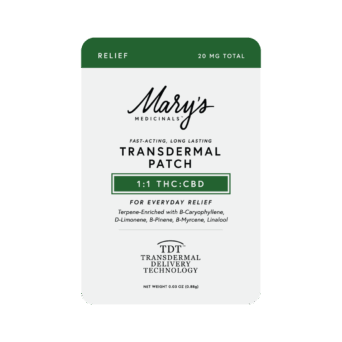
THCa + limonene is a pairing you’ll see a lot in recovery cannabis, and it’s not just because a citrus scent is pleasant. When you’re reaching for support after a workout, a long shift, or just the kind of day that adds up in your joints and muscles, you probably want something that feels steady and workable, not something that takes you out of your routine. That is exactly why we pay attention to how cannabinoids and terpenes show up together in a formula.
At Mary’s Medicinals, we’ve always treated terpenes as part of the product design, not an afterthought. They influence aroma, yes, but they can also shape how a product lands for you, especially when you care about comfort and consistency. Let’s talk through what THCa is, why limonene keeps showing up in recovery blends, and what modern research is starting to confirm about terpene and cannabinoid teamwork.
THCa + limonene for recovery: what THCa is (and what it won’t do)
THCa (tetrahydrocannabinolic acid) is the naturally occurring, non-intoxicating precursor to THC found in raw cannabis. In its acid form, THCa typically does not create the “high” people associate with THC. If your recovery routine needs to fit between meetings, school pickup, training, or dinner plans, that non-intoxicating profile matters.
Another reason THCa is getting attention is simple: it is abundant in the plant before heat changes it. For recovery-focused wellness, that opens the door to products built for body comfort and day-to-day functionality. You get support without feeling like you need to rearrange your schedule around it.
Why THCa + limonene keeps showing up in recovery cannabis formulas
If you’ve ever peeled an orange and thought, “That’s the smell,” you already know limonene. It’s one of the most common terpenes in cannabis, and it’s responsible for that clean citrus-forward aroma. But in recovery formulations, limonene earns its spot for more than vibes.
In plain terms, limonene can help make a formula feel brighter and smoother for some people, and it is also discussed in scientific literature as a potential penetration enhancer. That matters when your product is designed around delivery, not quick intensity. The goal is often a more even, practical experience you can actually live with.
THCa + limonene and transdermal delivery: where terpenes do the “behind-the-scenes” work
When you pick a patch, you’re not just picking ingredients. You’re choosing a delivery system.
Bioavailability is the proportion of a substance that enters the circulation when introduced into the body and then has an active effect. Transdermal systems are built to help cannabinoids cross the skin barrier and move into the bloodstream efficiently, which is one reason people like them for steady, all-day support.
Limonene gets attention here because terpenes can interact with biological barriers in ways that may support absorption through skin and membranes. In a recovery context, it’s helpful to think of the terpene profile as part of the mechanism, not just the label copy. If you want a deeper look at how we think about cannabinoids, terpenes, and delivery, visit The Science of Mary’s cannabinoids and terpenes.
THCa + limonene and a calmer feel: what the Johns Hopkins study actually suggests
One of the most interesting recent developments around limonene is that we have modern human clinical research pointing to a specific terpene and cannabinoid interaction.
In April 2024, Johns Hopkins Medicine summarized findings from a controlled study where participants inhaled vaporized THC with varying doses of d-limonene. Higher limonene doses were associated with significantly lower ratings of feeling “anxious/nervous” and “paranoid” compared with THC alone, without reducing other THC effects. You can read the study summary in Johns Hopkins Medicine’s report on d-limonene reducing THC-induced anxiety.
That study focused on THC, not THCa, so we’re not going to pretend they’re interchangeable. Still, the big formulation lesson stands: terpenes are not just window dressing. They can change how a cannabinoid experience feels, which can be the difference between a product you use once and a product you can actually stick with.
Entourage effect, minus the hype: what “working together” can look like
You’ve probably heard “entourage effect” tossed around. Sometimes it’s used in a way that feels like marketing fog. We prefer to keep it grounded: cannabinoids and terpenes may work differently in combination than they do alone, and we are finally seeing more clinical-grade conversations that move beyond anecdotes.
Drexel University’s Medical Cannabis Research Center highlighted the Johns Hopkins results as meaningful because they point to real-world clinical evidence for a terpene modulating a cannabinoid effect in humans. Their overview is worth your time if you like seeing the science framed plainly in context: clinical evidence for the entourage effect with THC and limonene.
For recovery cannabis, this is less about buzzwords and more about design. If you’re sensitive to certain effects, or you just want a smoother ride, a thoughtfully chosen terpene blend can be one of the levers that helps.
How to use THCa + limonene for recovery without overcomplicating it
Recovery doesn’t always look like a foam roller and a stopwatch. Sometimes it’s the slow build of being on your feet all day. Sometimes it’s soreness that shows up after you finally got back into the gym. Either way, you want support that slides into your routine instead of turning into a whole project.
- Decide what “recovery” means for you. Post-workout? Desk-day tension? General wear-and-tear? Your answer helps you choose a format.
- Pick your delivery method based on your day. Transdermal options are made for consistent release without inhalation.
- Keep your first try simple. One product, one day, then adjust. Consistency teaches you more than stacking three new things at once.
If you’re specifically looking at patches and want the practical differences between topical and transdermal, we laid it out in THCa Recovery Explained: What a THCa Patch Does.
THCa + limonene in transdermal patches: what to look for on the label
Shopping for recovery support gets easier when you separate two choices: what you want to take, and how you want it delivered.
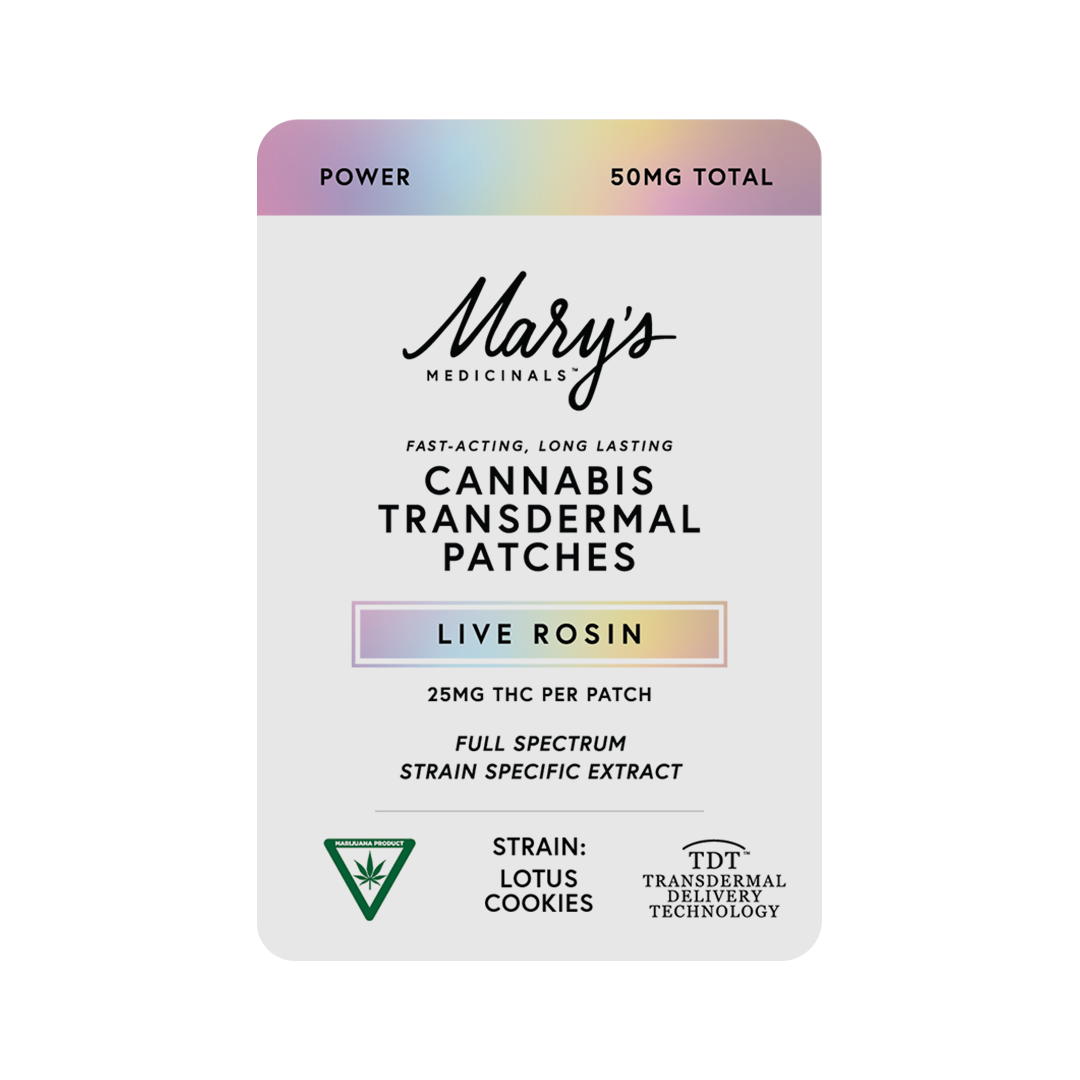
If your priority is consistent, discreet, all-day support, transdermal formats are designed for that. Our patches go 7 to 10 layers deep all the way into the bloodstream, which is why many people use them for system-wide support rather than a surface-level, spot-only sensation.
Terpene transparency matters, too. Terpene infusion is found in Mary’s Transdermal Patches and Remedy Tinctures, and you should be able to tell what’s included and why. For a straightforward way to compare labels, ratios, and terpene callouts, use how to read dose, ratio, and terpenes on transdermal patches.
| What you’re optimizing for | What to look for |
|---|---|
| Clear-headed recovery you can use during the day | THCa-forward formulas paired with functional terpenes like limonene |
| Steady, consistent delivery | Transdermal formats designed for reliable release and higher bioavailability |
| A smoother overall experience | Thoughtful terpene infusion and conservative dosing, especially if you’re THC-sensitive |
FAQ: THCa + limonene, terpenes, and recovery cannabis
Does THCa get you high?
THCa is non-intoxicating in its natural form. It is the precursor to THC, and THC is the compound known for psychoactive effects. Many people choose THCa specifically because they want support without feeling “high.”
Why do recovery cannabis products use limonene so often?
Limonene brings a bright citrus aroma, but it is also discussed for mood and stress support and for its potential role in absorption through skin and membranes. It is also in the spotlight after human research from Johns Hopkins suggested d-limonene reduced specific anxiety-adjacent effects from THC.
Is the entourage effect real, or just marketing?
The term gets overused, but the science is getting more specific. The 2024 Johns Hopkins clinical findings, highlighted by Drexel University’s Medical Cannabis Research Center, are notable because they point to a terpene-cannabinoid interaction in humans.
If I’m sensitive to THC, can limonene make THC feel easier?
The Johns Hopkins study suggests d-limonene may reduce certain anxious or paranoid feelings associated with THC in a dose-related way. Your best move is still to start low, go slow, and choose products designed for comfort and consistent dosing.
What’s the best way to get started with Mary’s recovery products?
Start by choosing a delivery method that fits your day, then compare formulas based on your goals. You can browse options and formats in Shop All Mary’s Medicinals products.
Conclusion: THCa + limonene is a practical recovery pairing, not a trend
When you see THCa + limonene on a recovery product, you’re looking at a pairing that makes sense on two levels: how it feels, and how it’s designed to deliver. Limonene can play a functional role in delivery-focused formats, and human research suggests it may even soften certain uncomfortable effects associated with THC. Add in THCa’s non-intoxicating profile, and you get a combination built for people who want recovery support without stepping away from real life.