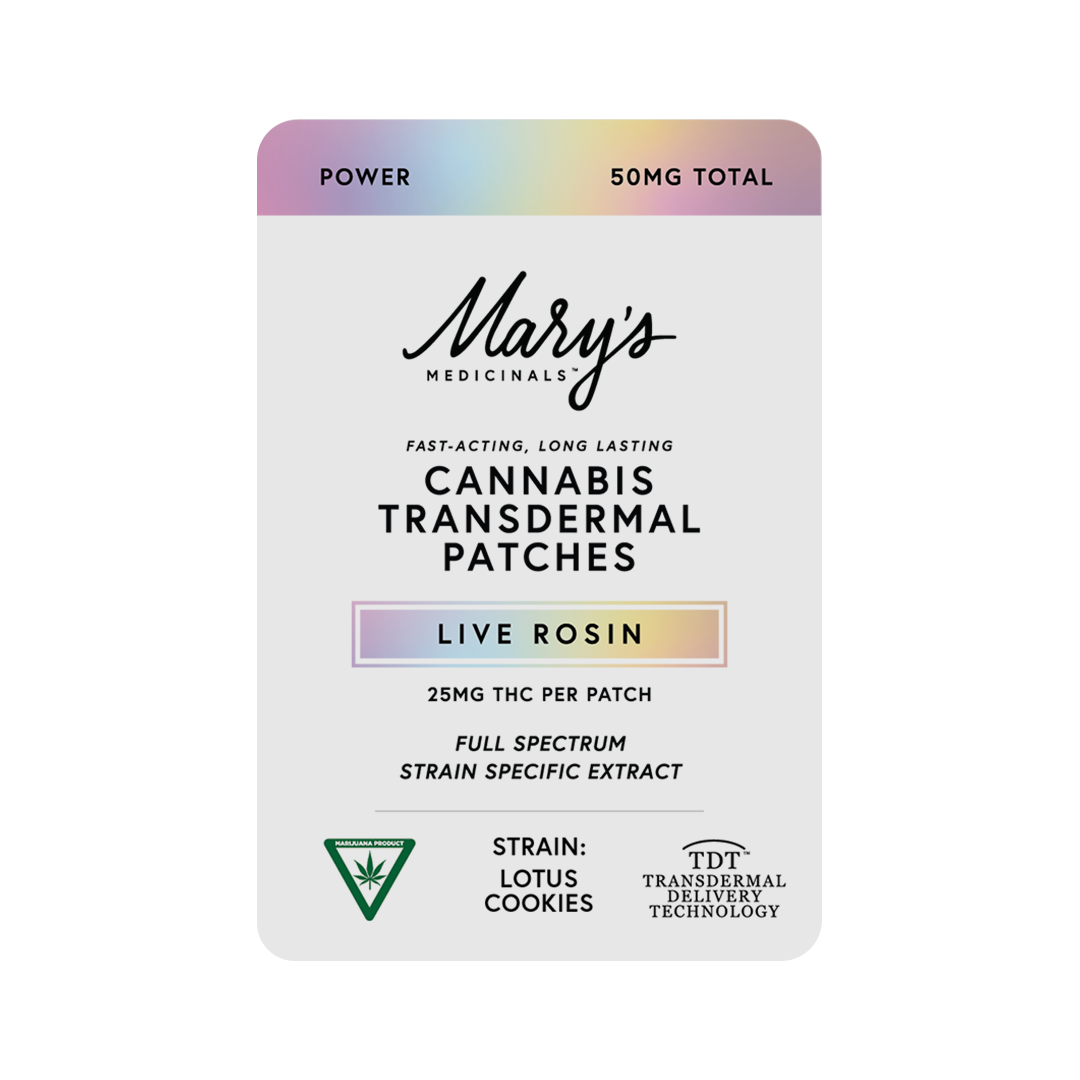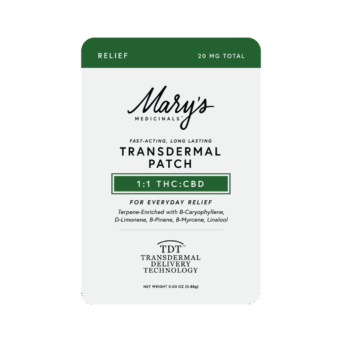
THC patches are picky in the best way, and how you store them can be the difference between a smooth, reliable wear and a patch that starts lifting at the corners before you even finish your day. Since a transdermal patch is built for steady cannabinoid delivery through your skin, it’s worth treating storage like part of your routine, not an afterthought.
We’ll keep this practical. Below are the habits we recommend at Mary’s Medicinals, plus the simple “why” behind each one so you protect both potency and that clean, comfortable stick.
Why THC patches need different storage than other cannabis products
A transdermal patch is not the same as flower, a vape, or a gummy. THC patches combine cannabinoids with an adhesive and a layered release system designed to deliver cannabinoids across the skin and into systemic circulation, which helps bypass first-pass metabolism. That controlled-delivery design is part of what makes transdermals feel so consistent when you use them correctly, and it’s also why they’re more sensitive to their environment.
If you like the nerdy details, peer-reviewed research on cannabis transdermal patch systems outlines how patch architecture and materials are engineered for controlled release in the context of alleviating psoriasis symptoms. In basic terms, it means heat, moisture, light, and even being crumpled in a bag can change how your patch wears.
THC patches storage basics: the 4 things that mess with potency and stick
If you take only one thing from this post, let it be this: patches do best when they stay sealed, cool, dry, and flat. Most storage mishaps trace back to four common culprits.
- Heat: Warmth can nudge cannabinoids toward degradation over time and can also soften pressure-sensitive adhesives. Soft adhesive sounds nice until it slides, wrinkles, or lifts early.
- Humidity and moisture: Moisture is rough on adhesives. Even small exposure can affect how evenly the patch grips your skin.
- Light: Cannabinoids are light-sensitive. UV exposure in particular can gradually shift potency and cannabinoid profile.
- Physical stress: Folding, bending, stacking heavy items on top, or letting adhesive touch adhesive can all shorten wear time.
How to store THC patches at home (the Mary’s Medicinals way)
Think of this as “patch hospitality.” You’re keeping the patch comfortable so it performs the way it was designed to.
- Keep each patch sealed until you’re ready to apply it.
That individual pouch is doing real work. It helps limit moisture exposure and blocks light, which protects the cannabinoids and the adhesive. Open it right before application, not earlier in the day “just to get it ready.” - Pick a stable, room-temperature spot.
A bedside drawer. A closet shelf. A dedicated box in your dresser. You’re aiming for steady conditions, not a place that swings from cool to hot throughout the day. - Skip the fridge and freezer.
We get why people try it. Cold feels like “preservation.” But refrigerators can create condensation when you take a pouch out, and that moisture can mess with adhesion. - Store patches flat, not folded.
Don’t crease them, don’t shove them into a tight pocket, and don’t wedge them into a wallet. If your patch looks like it’s been doing origami, it’s more likely to wear unevenly. - Avoid steamy zones like bathrooms and kitchens.
Those rooms run hot, then cool, then humid, then dry. Patches prefer the opposite: boring and consistent.
One more habit we love: when you restock, rotate older pouches to the front so you use those first. No special system needed, just a quick shuffle.
Quick do’s and don’ts for storing THC patches (and when you’re traveling)
When you’re deciding where to stash your patches, you’re basically asking: will this spot keep them cool, dry, dark, and flat?
If you travel, your goal is the same: keep patches sealed and flat, and keep them out of heat. A small hard case in your carry-on tends to work better than a back pocket or a hot trunk.
THC patches with THCa and CBN: storage details that matter
We’re proud to be early pioneers with cannabinoids like THCa and CBN, and we’ll be candid with you: these nuanced formulas deserve a little extra respect.
THCa is the acid form of THC, and heat can push cannabinoid chemistry in the wrong direction over time. CBN is often discussed in relation to oxidation pathways, so limiting light and heat exposure helps preserve the balance you bought the patch for. If your patch includes THCa or CBN, treat “cool, dark, sealed, flat” as the non-negotiables.
If you want to dig deeper into how transdermal formats work in general, Leaf411’s overview of transdermal cannabis patches is a helpful, plain-language resource.
Expiration dates, COAs, and what “potency” means for THC patches
Potency is not just about how strong something feels. It’s also about whether the cannabinoid content stays close to what the label promises as the product sits over time. That’s why we recommend two quick checks before you apply:
- Look at the expiration date. If it’s close, use those pouches first.
- Match your batch to a COA when you can. A Certificate of Analysis is essentially a snapshot of lab testing tied to a specific batch at the time of manufacturing.
If COAs feel like alphabet soup, we break them down in Certificate of Analysis 101: Potency, Terpenes, Safety.
Also, if you’ve ever wondered why transdermals are discussed differently than topicals, dosing, and onset, Zen Leaf’s guide to cannabis transdermals gives a straightforward overview of patch basics, including general design concepts.
FAQ: How to store THC patches
Should you refrigerate THC patches?
Generally, no. Refrigeration can introduce condensation when you take the patch out, and moisture is a common reason patches lose adhesion.
Can heat ruin transdermal patches?
Yes. Heat can speed up cannabinoid degradation and soften adhesives. Avoid storing pouches in cars, on sunny windowsills, or near appliances that run warm.
What’s the best place to store THC patches at home?
A cool, dry, dark spot with a stable temperature, like a bedroom drawer or closet shelf. Keep each patch sealed in its original pouch and store it flat.
Can you cut THC patches and store the rest?
It depends on the patch design. Some matrix-style patches may be cut for flexible dosing, while reservoir-style patches should not be cut. If you’re microdosing, follow product-specific guidance and check out Microdose THC With Transdermal THC Patches Safely before changing how you handle a patch.
Conclusion
Your THC patches can only perform as well as they’re treated before they ever touch your skin. Keep each one sealed until use, store it in a cool and dry place away from light, and keep it flat so the adhesive and cannabinoid layers stay in good shape. If you want help dialing in your routine or you have a storage question that’s specific to your home or travel setup, reach out to Mary’s customer support.