A certificate of analysis is your quickest reality check for what’s actually in a cannabis product, not what the front label hopes you assume. If you have ever scanned a QR code and ended up staring at a lab report, you have already met a COA. We treat COAs like the receipt that comes with your purchase, because it backs up the work we put into accurate dosing, clean inputs, and science-forward formats like transdermals.
Let’s walk through a COA the way a real person reads it, starting with the parts that matter most when you are deciding what to buy and how to use it.
Certificate of analysis basics: what it is (and what it is not)
A certificate of analysis is a batch-specific document created by an independent lab after testing a sample from that exact product run. It is meant to show you measurable facts: cannabinoid content, terpene profile, and safety screens. The New Jersey Cannabis Regulatory Commission’s high points on COAs describes COAs as a way for shoppers to verify potency, terpene results, and contaminant testing so you can compare products with more confidence.
What a COA does not do is promise one identical experience for every person. Bodies vary. Routines vary. Even your day varies. What the COA does give you is a clean, standardized snapshot of what is in the package you are holding.
Certificate of analysis potency testing: the numbers you actually use
Most people start with potency, and that is a smart move. This section shows how much THC, THCa, CBD, CBN, and other cannabinoids are in the batch. Depending on the product type, you will see results shown as a percentage by weight or as milligrams per serving and per package. For anything you dose by the milligram, those mg numbers are the ones you will come back to again and again.
One common spot where people get tripped up is THCa. THCa is not the same thing as THC. THCa is the raw precursor that can convert to THC with heat. Many labs estimate “total THC” using the standard math THC + (0.877 × THCa). If you see a report that simply adds THC and THCa as if they are interchangeable, that is worth a second look. The cannabis science and lab-method nuance is explained well by Terpenes and Testing Magazine’s cannabis testing resources.
- Look for: a clear cannabinoid list (THC, THCa, CBD, CBDA, CBG, CBC, CBN), units that match the product format, and totals that are clearly defined.
- Why it matters: potency is the starting line for consistent dosing, especially when you are choosing a cannabinoid profile on purpose.
Certificate of analysis terpene testing: useful clues, not a personality test
Terpene testing is where a COA starts to feel like more than a spreadsheet. Terpenes are the aromatic compounds behind the scent and flavor notes you notice, and they can influence how a formula feels alongside cannabinoids. We think of terpene results as helpful context. They are not magic, but they are not meaningless either.
On many COAs you will see dozens of individual terpenes listed with tiny percentages. That is normal. A terpene overview from The Seed Connect’s terpene testing explainer points out that a COA can function like a chemical fingerprint, giving you detail that a catchy strain-style name simply cannot.
Here are a few terpenes you may recognize when you scan a report:
- Myrcene: often associated with wind-down vibes
- Limonene: citrus-forward and commonly described as bright
- Pinene: sharp and often linked with a clearer feel
- Caryophyllene: peppery and often discussed for its interaction with CB2 receptors
One straight-talk note: terpene methods can vary by lab and by state rules. So use terpene results to guide your choices, but do not treat them as a perfect scoreboard between brands that test at different labs.
Certificate of analysis safety panels: pass, fail, and what “ND” means
Now for the part you should never skip. Safety panels are the “are we good here?” section of a certificate of analysis. This portion is usually shown as pass or fail because it is tied to regulatory limits. The California Department of Cannabis Control: testing laboratories overview explains how regulated products must be tested before sale and how labs report those results through COAs.
Common safety categories include pesticides, heavy metals, microbials, mycotoxins, and residual solvents. Residual solvents are especially relevant for extracted ingredients, and they also matter for transdermal formulas because the whole point of transdermal delivery is efficient uptake.
| COA safety panel | What you want to see | Why it matters |
|---|---|---|
| Pesticides | PASS or ND | Helps reduce exposure to agricultural chemicals |
| Heavy metals (lead, arsenic, cadmium, mercury) | PASS or ND | These can build up in the body over time |
| Microbials and mycotoxins | PASS | Supports product safety, especially for sensitive folks |
| Residual solvents | PASS or below limits | Confirms extraction byproducts stay under safety thresholds |
When you see ND, it typically means “none detected” or below the lab’s limit of quantification, which is the lowest level the equipment can reliably measure. In everyday terms, ND is usually exactly what you want in a contaminant panel.
How to sanity-check a certificate of analysis in about a minute
Think of this like your quick grocery-store label read, just for lab reports.
- Match the batch: confirm the lot or batch number on the COA matches your product packaging.
- Check the dates: make sure the sample and report dates are reasonably recent. Terpenes can drift faster than cannabinoids as time passes.
- Confirm it is truly third-party: look for the lab name plus signs of accreditation, often ISO/IEC 17025 depending on the state.
- Make sure it is the real report: a QR code should lead to the original PDF or hosted COA, not a cropped marketing graphic.
If you want a longer, step-by-step walkthrough, we put together Certificate of Analysis Basics: How to Read a COA as a practical checklist you can use while you shop.
How we use COAs at Mary’s Medicinals: consistency, cannabinoids, and transdermals
We want you to feel in control of your routine, not like you are guessing. COAs help with that. If you find a cannabinoid ratio you like, or you notice a terpene profile that fits your pace, the COA gives you a way to repeat that choice with fewer surprises next time.
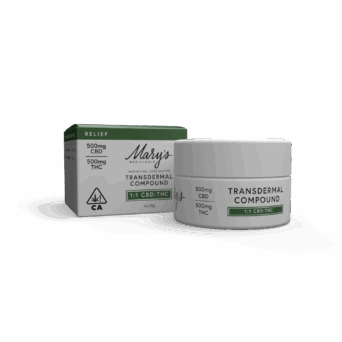
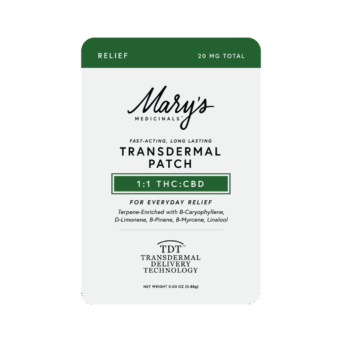
This is especially useful with transdermal products. Our transdermal patches are designed to go 7 to 10 layers deep all the way into the bloodstream, and that kind of delivery makes accurate cannabinoid content and clean safety results non-negotiable. If you are comparing formats, strengths, and intended outcomes, you can explore options on our Transdermal & Topical products page.
FAQ: certificate of analysis questions we hear all the time
What is the most important part of a certificate of analysis?
For safety, the contaminant panels are the big one because they are pass or fail. For planning your dose, cannabinoid potency in milligrams per serving or per package is usually next. If you want another consumer-friendly walkthrough, Leafwell has a helpful explainer on how to read a marijuana certificate of analysis.
Why do terpene numbers look different between brands?
Terpene testing is not as standardized as potency testing. Labs can use different methods and thresholds, so treat terpene numbers like a compass, not a ruler.
What does “ND” mean on lab testing panels?
ND typically means none detected or below the lab’s limit of quantification. You will mostly see ND in pesticide, heavy metal, microbial, or solvent panels. In general, ND is good news.
Do I need a COA for transdermal products too?
Yes. A COA is valuable in every format because it verifies potency and screens for contaminants, including residual solvents used in extracted ingredients. If you ever want help tracking down a COA for a specific batch, reach out through the Mary’s Medicinals Contact page and we will point you in the right direction.
Conclusion
A certificate of analysis makes cannabis shopping feel a lot less like guesswork. You can verify cannabinoid potency, use terpene testing as a practical guide, and confirm the safety panels come back clean. When you get comfortable reading COAs, you are not buying hype, you are buying transparency you can actually check.