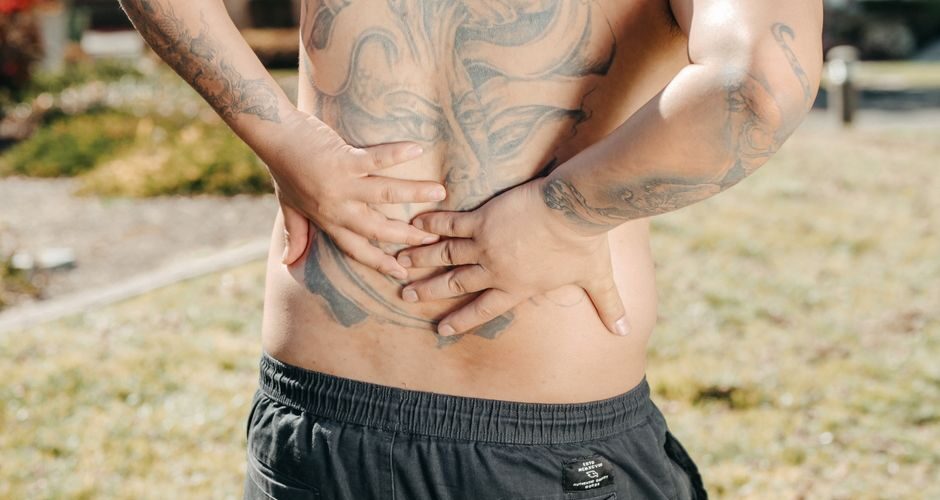
Chronic lower back pain has a way of turning the volume up on ordinary life, like getting dressed, sitting through a meeting, or trying to fall asleep without negotiating with your own body. If you have already run through the “usual suspects” and you are still searching for steadier days, it helps to look at what long-term medical cannabis data is actually showing, not just what people say in passing.
We are going to walk through two things at once: what the research is finding over time, and how you can apply those takeaways in real life using products that are clearly labeled and repeatable. That second part matters more than most people expect. When you are trying to build a routine, lab tested cannabis is not a luxury. It is how you avoid guessing.
Chronic lower back pain: what 10-year medical cannabis data can tell you
Most pain studies are short. Twelve weeks, maybe a little longer, and then everyone moves on. That is useful, but it can leave you with the big question: “Okay, but what happens when this is your life for years?”
A decade-long dataset published in The Spine Journal looked at outcomes in 1,000 patients using medical cannabis for chronic low back pain, including pain scores, function, and opioid use. The headline is not a “cure.” The headline is sustainability: many patients showed lasting changes over time, including reduced opioid use and improved daily function. You can review the source directly in the ten-year outcomes study in 1,000 chronic low back pain patients.
Here is why we care about long-horizon data like this when you are dealing with chronic lower back pain. It shifts the conversation from quick hits to practical questions:
- Is this something you can use consistently? A plan that works once but is hard to repeat is frustrating.
- Do your days look better, not just your pain score? Walking the dog, sitting through dinner, sleeping more than two hours at a time.
- Does it help you avoid “dose creep” with other tools? Especially with opioids.
Chronic lower back pain relief: what a placebo-controlled trial adds
Real-world follow-ups are valuable, but you also want studies designed to minimize expectation effects. A multicenter, randomized, placebo-controlled Phase 3 trial in Nature Medicine looked at a standardized cannabis extract for chronic low back pain that had not responded well enough to non-opioid medications. Participants used the extract for 12 weeks, and researchers tracked pain plus quality-of-life measures like sleep and function.
The key point for your decision-making is that the trial reported clinically meaningful pain score reductions versus placebo, along with improvements in sleep quality and physical function. If you want to dig into the details, see the Phase 3 trial of a standardized cannabis extract for chronic low back pain.
What we take from this, as a brand that cares about repeatable outcomes, is less about hype and more about fundamentals: standardization, consistent dosing, and tracking what changes for you over time.
Medical cannabis and opioid reduction in chronic lower back pain
If you have ever tried opioids for chronic lower back pain, you already know the trade-offs. They can blunt pain, but side effects can make daily life smaller emotionally, and tolerance is a real concern for many people.
Some of the most interesting medical cannabis conversations are not strictly about “better pain relief.” They are about opioid reduction and whether people can maintain function with fewer downsides. A public-facing summary that captures this topic well is NPR’s reporting on cannabis extract research for back pain and opioid comparisons.
We want to be clear and responsible: you should never change prescribed medications on your own. If you are considering cannabis as part of a plan to use fewer opioids, do it alongside your clinician. Still, the overall direction of the evidence gives many patients a reasonable question to bring to that conversation: “Is there a path where I can rely less on opioids over time?”
Why lab tested cannabis matters when you are trying to get consistent
When you are in pain, it is tempting to chase whatever seems promising that week. But chronic lower back pain usually responds better to routines than to random experiments. To build a routine, you need products that behave the same way from one use to the next.
That is the practical value of lab tested cannabis. Accurate labeling lets you start low, make small changes, and repeat what works. It also gives you a way to avoid the “Was it the dose, or was it the batch?” problem.
If you want a quick, checklist for what third-party testing should cover, we put together a guide on Certificate of Analysis basics for potency and safety.
Choosing a delivery method for chronic lower back pain (so you are not guessing)
Different formats can feel like entirely different tools. Not better or worse across the board, just different. The best fit is the one you can use predictably, without surprises that throw off your day.
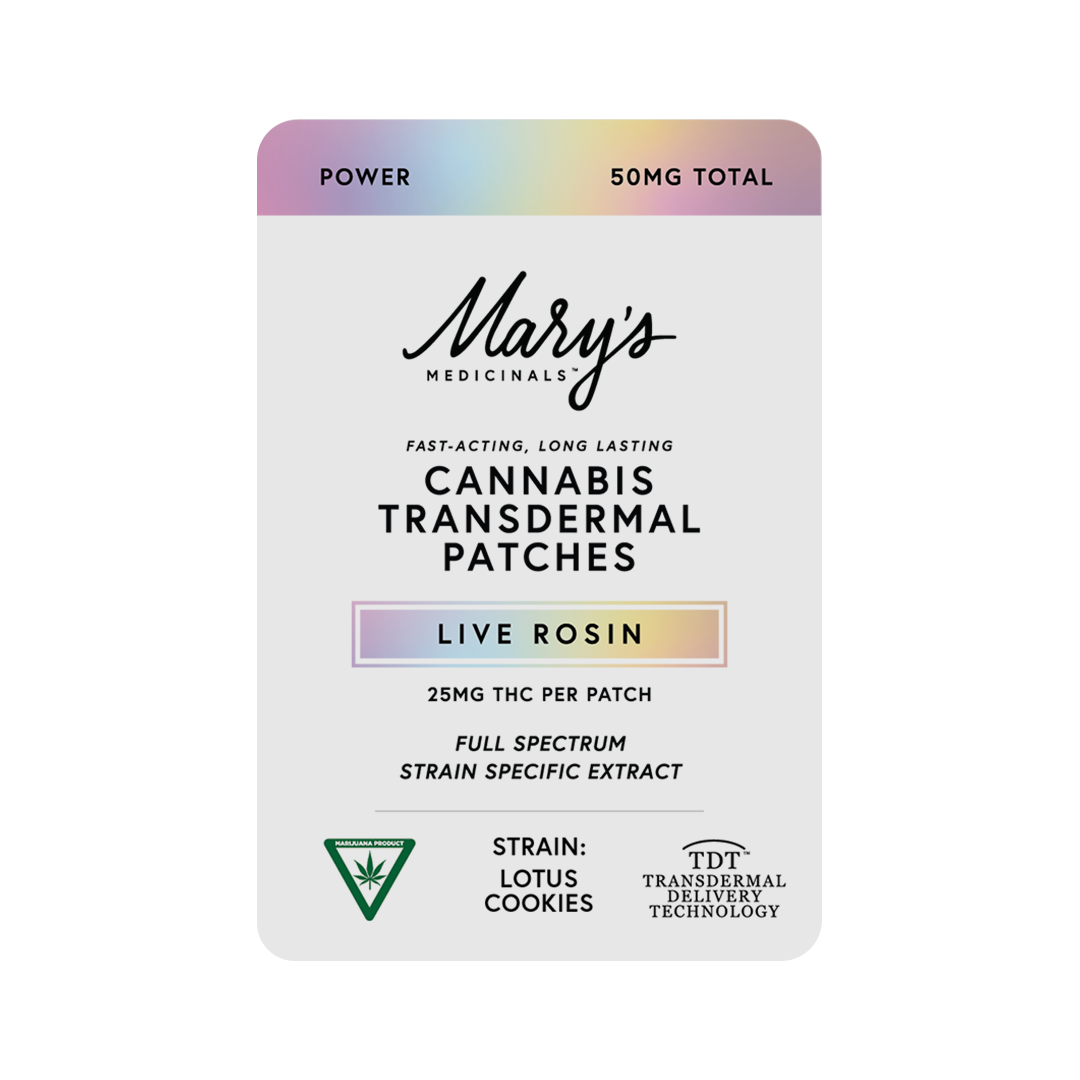
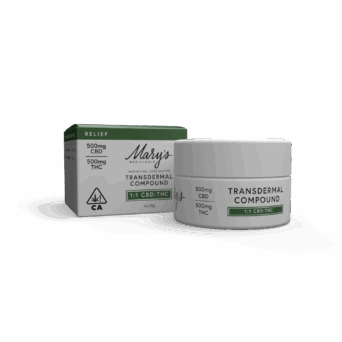
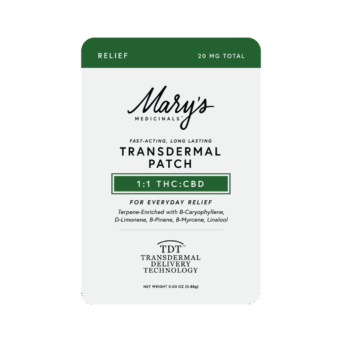
At Mary’s Medicinals, we built our transdermal technology for people who want discreet, controlled support. Our patches go 7 to 10 layers deep all the way into the bloodstream, which is why many customers choose them when they want steadier effects instead of a dramatic peak.
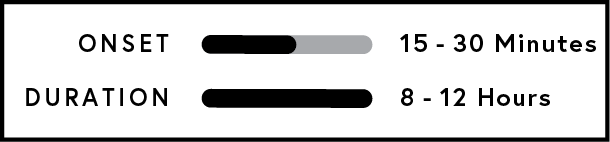
If you are trying to plan your day around a patch, timing matters. We break it down in our guide to how long THC patches take to work and how long they last.
Practical routine tips for medical cannabis and chronic lower back pain
If we could leave you with one mindset, it is this: aim for a routine you can repeat on a normal Tuesday. Not a perfect day. A normal one.
- Start low and go slow. Give each adjustment time before you change anything else.
- Track function, not only pain. Sitting tolerance, sleep continuity, morning stiffness, mood, and how far you can comfortably walk are all meaningful.
- Respect bioavailability differences. Bioavailability is the proportion of a drug or other substance which enters the circulation when introduced into the body and then has an active effect. Delivery method changes bioavailability, so do not compare doses across formats as if they are interchangeable.
- Build around your schedule. If you hate feeling “peaky,” choose methods that are designed for steadier release.
If you are using transdermal patches, placement is a small detail that can make a noticeable difference. We recommend applying patches to the inner wrist, top of the foot, or back of the knee, where skin is thinner and veins are closer to the surface. For discretion, the top of the foot is usually the easiest. Rotate between left and right sides over time to keep your routine consistent.
FAQ: medical cannabis, lab tested cannabis, and chronic lower back pain
Does medical cannabis “treat” chronic lower back pain?
We cannot make medical claims or promise outcomes. What we can say is that clinical trials and long-term observational data suggest some people experience improvements in pain scores, sleep, and physical function, especially when products are standardized and dosing is consistent.
Can medical cannabis support opioid reduction?
Some long-term outcomes and reporting on clinical research suggest cannabis may help certain patients reduce reliance on opioids. Any opioid changes should be done with your prescriber, since tapering needs to be individualized and monitored.
Why do you emphasize lab tested cannabis so much?
Because accurate labels give you repeatability. A third-party Certificate of Analysis can confirm cannabinoid potency and screen for contaminants like pesticides, heavy metals, microbials, mycotoxins, and residual solvents. That is how you make careful changes instead of rolling the dice.
Are transdermal patches better than edibles for chronic lower back pain?
Not universally. Patches can be a strong fit if you want steady, wearable dosing and more controlled effects. Edibles can be convenient and may last longer for some people, but they can also feel more variable due to digestion and liver metabolism.
Where should you apply a transdermal patch for best absorption?
We recommend the inner wrist, top of the foot, or back of the knee. We do not recommend the ankle, upper arm, or lower back for optimal absorption because the skin is thicker there and harder to penetrate with transdermal carriers.
Conclusion
Chronic lower back pain is rarely simple, but the medical cannabis evidence is getting clearer, especially when you put long-term outcomes next to placebo-controlled trial data. The themes that keep showing up are practical ones: some people report meaningful improvements in pain, sleep, and daily function, and there is real interest in cannabis as part of an opioid-sparing strategy when done thoughtfully and with clinician guidance.
If you want help building a predictable approach, start with lab tested cannabis and a delivery method you can stick with. When you are ready for product education or format guidance, reach out through the Mary’s Medicinals customer support contact page and we will point you toward the most relevant resources for your routine.