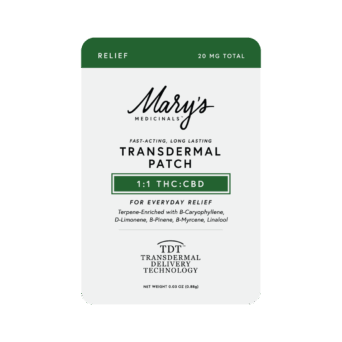
CBN for sleep can be as simple as a few drops under your tongue or as hands-off as sticking on a patch and calling it a night. If you are deciding between Mary’s Medicinals’ The Remedy Sleep Formula (THC:CBD:CBN) tincture and a CBN sleep patch, you are really deciding how you want your bedtime support to show up: quicker and adjustable, or steady and consistent while you are asleep.
This guide is here to help you make that call in a real-world way. Think 10 p.m. when you are winding down, 2 a.m. when you might wake up, and 6 a.m. when you want to feel like yourself again.
CBN for sleep: decide what you want help with tonight
Before you compare labels, do a quick check-in. What is your actual sleep problem most nights?
- You cannot fall asleep because your mind is still running.
- You fall asleep fine but wake up and have trouble drifting back.
- You are sensitive to THC or you would rather avoid intoxication.
Those answers usually point you toward a delivery method. Sublingual oils tend to fit the “help me settle in” crowd. Patches tend to fit the “help me stay steady” crowd.
The Remedy Sleep Formula tincture: a 2:1:1 THC:CBD:CBN option for CBN for sleep
The Remedy Sleep Formula (2:1:1 THC:CBD:CBN) is Mary’s sublingual tincture built for nighttime. It is intentionally a THC-inclusive product, which matters because THC is often the cannabinoid people notice the most. If you like a deeper wind-down and you are comfortable with THC, this can be a good fit.
Here is what you are getting in plain terms:
- 2:1:1 ratio of THC to CBD to CBN for a more layered nighttime feel
- Black Cherry Vanilla flavor with safflower oil as the carrier
- Terpene infusion featuring linalool, myrcene, and caryophyllene, terpenes known for their relaxing-leaning reputation
One thing you will probably appreciate is control. With a dropper, you can take a little less on a calm night, or a little more on a night when your shoulders still feel up by your ears. That “dial it in” ability is hard to beat.
Also worth saying plainly: because it includes THC, it can feel intoxicating. If that is not what you want at bedtime, skip ahead to the patch section.
CBN for sleep with a tincture: why sublingual can feel quicker
With a sublingual oil, you hold the liquid under your tongue for a bit, then swallow. That small step changes the experience for many people because some absorption can happen through the tissues in your mouth, instead of relying only on digestion.
If your goal is to feel your bedtime routine “kick in” sooner rather than later, this format often makes sense. Many people report noticing sublingual tinctures within about 15 to 30 minutes when used as directed, though your timing can vary based on your body, your dose, and whether you took it after a meal.
Practical tip from one night-owl to another: if you use an oil, try to take it before you are fully horizontal. It is easier to hold it under your tongue when you are not already half-asleep in bed.
CBN for sleep with a patch: the steady, low-maintenance route
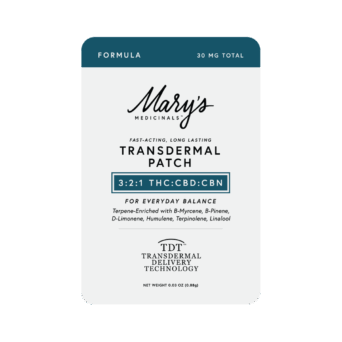
A CBN sleep patch is the opposite vibe of a tincture. You apply it to your skin and let it do its thing. No measuring, no flavor, no “did I take it yet?” second-guessing when you are brushing your teeth.
Many CBN patches are made without THC, which can be a big deal if you want to avoid intoxication. That said, your personal comfort level and your situation matter. If drug testing is part of your life, take that seriously and do your own due diligence. For a balanced overview of what CBN is and where the research currently stands, you can review Sleep Foundation’s article at Sleep Foundation’s guide to CBN for sleep.
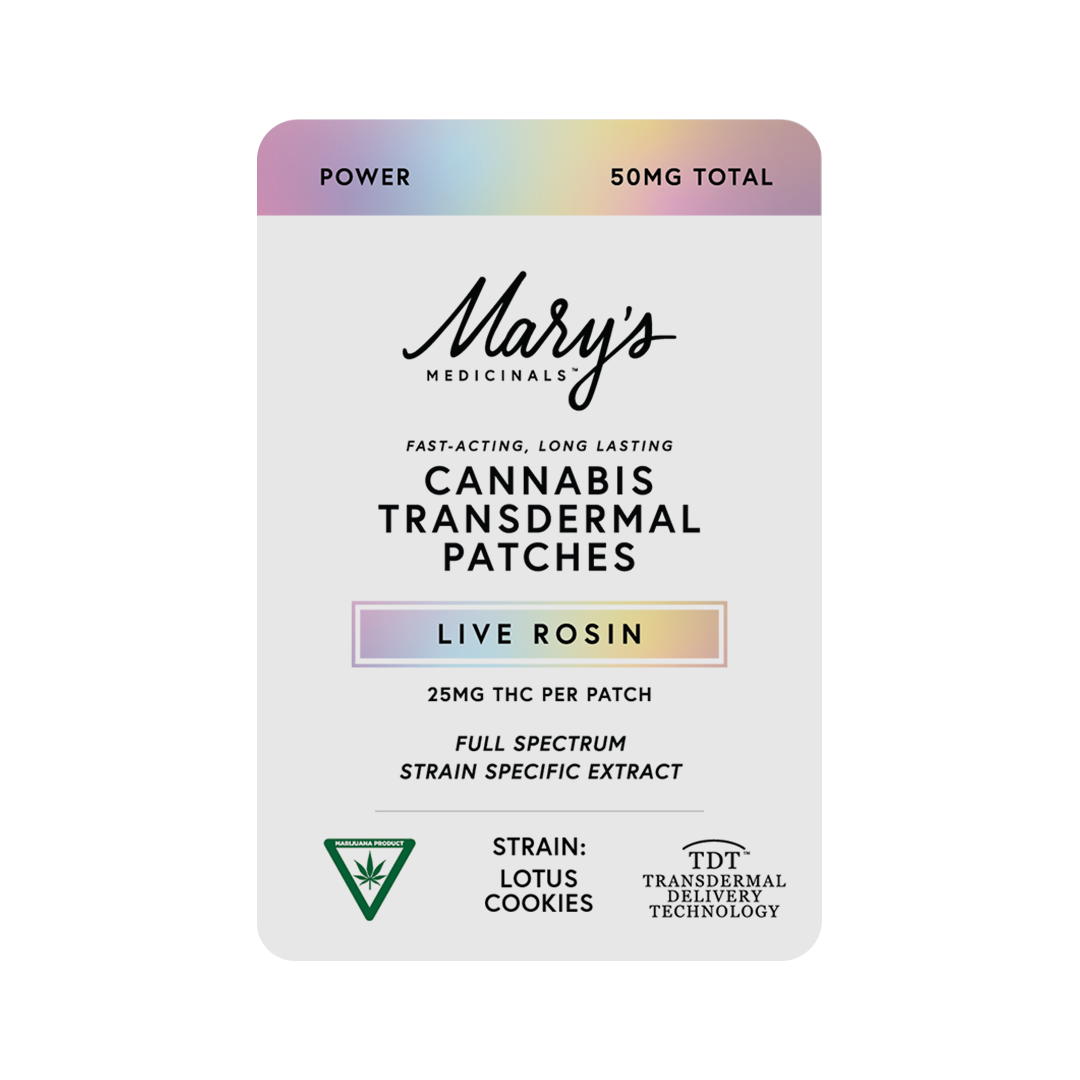
Since you are here with Mary’s, it is also helpful to understand how our patches are built. Mary’s Medicinals patches are designed as true transdermals and are formulated to go 7 to 10 layers deep to reach the bloodstream. That design is part of why patches are often associated with a more sustained experience, compared with products that stay closer to the surface of the skin.
CBN for sleep: Remedy Sleep vs CBN sleep patch (what you will notice night-to-night)
If you are stuck choosing, do not overthink the chemistry. Think about how you actually live at bedtime. Here is the side-by-side that tends to matter most.
- Onset: The Remedy Sleep tincture is usually the quicker option. A patch typically takes longer to build.
- Staying power: A patch is designed for steadier support across the night. This can matter if you wake up easily.
- Your level of control: Tinctures let you fine-tune dose in small steps. Patches are more “apply and relax.”
- THC or no THC: The Remedy Sleep includes THC and can feel intoxicating. Many CBN patches are THC-free and tend to feel gentler.
- Ingredients working together: The Remedy Sleep combines THC, CBD, CBN, and terpene infusion, which some people prefer when they want a more noticeable wind-down.
- Convenience: Patches are discreet and consistent. Oils ask for a little timing and a short under-the-tongue hold.
CBN for sleep based on your pattern: falling asleep vs staying asleep
If falling asleep is the hard part, you usually want something you can feel in the near term. A sublingual routine with The Remedy Sleep Formula tincture can fit well here, especially if you like being able to adjust your dose depending on the day you had.
If you wake up in the middle of the night, a patch can be the more practical choice. You are not trying to create a quick shift. You are trying to stay on track without needing to get up and re-dose at 2 a.m.
If you are THC-sensitive or THC-avoidant, a CBN patch is often the simpler lane. If you are comfortable with THC and want a more pronounced body-heavy unwind, The Remedy Sleep is more likely to match what you are looking for.
CBN for sleep and the research reality (plus why your notes matter)
CBN has a lot of buzz, and plenty of people swear it is part of their bedtime toolkit. At the same time, the clinical research is still developing, which is why you will not see airtight, one-size-fits-all dosing rules. Your experience depends on things like your cannabinoid sensitivity, your routine, and even how consistent your sleep schedule is.
The most useful approach is the boring one that works: start low, keep your routine steady for several nights, and track what changes. A quick note in your phone is enough. Write down when you took it, how long it took to feel like you were winding down, whether you woke up, and how you felt in the morning.
How to use each format well (without turning bedtime into homework)
You do not need a complicated ritual. A few small habits can make your results more predictable.
- For The Remedy Sleep tincture: Start low. Hold it under your tongue as directed before swallowing. Give it time before you decide you need more, especially if you are new to THC.
- For a CBN sleep patch: Apply it early enough to account for the slower onset. Use clean, dry skin, and try to keep placement consistent so you are not guessing from night to night.
- For either format: Keep your routine repeatable. When your timing changes every night, it is harder to tell what is helping.
If you are curious about what makes a transdermal different from a standard topical, you can get the deeper explanation in Mary’s education post at What a THCa transdermal patch does and how it works.
Where to look next in Mary’s Medicinals (if you are still exploring)
If you are the type who likes options, you are in the right place. You can browse Mary’s tinctures and other ingestible formats in our consumable products collection.
If patches are more your style and you want help picking one based on your goals, the guide at Which Mary’s patch should I choose? Your “find your effect” guide walks you through the differences in a straightforward way.
FAQ: CBN for sleep, The Remedy Sleep vs a CBN sleep patch
Which is better for CBN for sleep: The Remedy Sleep tincture or a CBN sleep patch?
If you want faster onset and the ability to adjust your dose, The Remedy Sleep Formula (2:1:1 THC:CBD:CBN) tincture is often the better match. If you want a THC-free, low-effort option designed for steadier overnight support, a CBN sleep patch usually makes more sense.
How long does The Remedy Sleep tincture take to kick in?
Many people notice sublingual oils in about 15 to 30 minutes when they hold the oil under the tongue as directed. Your timing can vary based on dose, food, and your metabolism.
How long does a CBN sleep patch last?
A transdermal patch is made for sustained release over several hours. Instead of a quick peak, the experience is typically more gradual and consistent through the night.
Will The Remedy Sleep get you high?
Yes. It contains THC and can feel intoxicating. If you want to avoid that kind of experience, look for a THC-free patch option instead.
Can you use a CBN patch and The Remedy Sleep tincture together?
Some people do, but it is easy to overdo it when you stack formats. If you choose to combine them, keep it conservative, start with less than your usual amount, and give yourself a few nights to see how you respond.
Conclusion: choose the CBN for sleep format that fits your real life
If you want bedtime support that feels quicker and lets you fine-tune your routine, Mary’s The Remedy Sleep Formula (2:1:1 THC:CBD:CBN) tincture is built for that kind of intentional wind-down. If you want something discreet, steady, and generally THC-free, a CBN sleep patch can keep things simple while you sleep.
Whichever direction you go, keep it consistent for a few nights, start low, and pay attention to your pattern. Your sleep will tell you what works if you give it a fair, repeatable test.