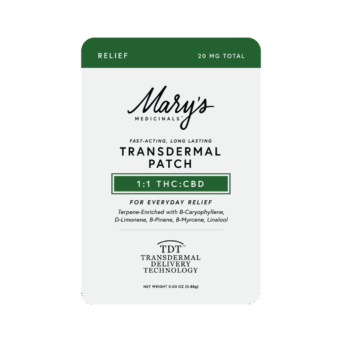
CBD lotion shopping is a lot like buying jeans: the label tells you one thing, your skin tells you another, and you do not really know what you have until you try it. When you are standing at the dispensary counter with a tester jar and a line behind you, you can still make a smart pick fast. We use the same simple order every time: check the COA first, then dosage, then texture, then scent.
At Mary’s Medicinals, we’ve been in the weeds of formulation and testing for a long time. We pioneered transdermal cannabis delivery, and we are picky about accountability and consistent dosing. So if the topical aisle feels noisy, borrow our checklist. It works whether you are comparing a CBD lotion, a THC lotion, a compound, or a transdermal option.
CBD lotion rule #1: check the certificate of analysis (COA) before anything else
If a product cannot show you a certificate of analysis, you do not need to debate the scent or the texture. Put it back. A COA is a third-party lab report that verifies what is actually in the product. It is your reality check when marketing copy gets a little too confident.
If you want a quick refresher on how to read one, use our walkthrough Certificate of Analysis 101: Potency, Terpenes, Safety. You will get the lay of the land in a few minutes and you will shop differently forever.
- Make sure it is batch-specific. The COA should match the lot or batch number on the product you are holding.
- Look at the date. You want testing tied to the current batch, not something from last year.
- Confirm safety panels are included when relevant. Depending on the product, that can include microbes, heavy metals, pesticides, and residual solvents.
- Use the QR code. If the package has one, scan it. If it does not, ask the budtender to pull the COA up. If nobody can, that is the answer.
CBD lotion dose: compare mg per ounce so you are not fooled by the big number
After the COA checks out, move to dose. Here is the most common dispensary trap: you see “300 mg” in big letters and assume you are looking at a strong product. But 300 mg in a 1 oz jar and 300 mg in a 4 oz jar are two totally different experiences.
Use shelf-math you can do in your head:
total cannabinoids (mg) ÷ container size (oz) = mg per ounce
It will not tell you the exact mg per swipe (nobody measures their lotion that way), but it will let you compare products quickly and choose something that matches how often you plan to apply it.
One more thing while you are looking at numbers: be clear about what kind of product you are holding. Traditional cannabis topicals are usually meant for localized use at the skin level. Transdermal products are engineered to move cannabinoids across the skin barrier for a more systemic effect. Weedmaps explains the basics in their cannabis topical definition.
CBD lotion shopping by cannabinoids: CBD lotion vs THC lotion vs balanced ratios
Most people ask this first, so let’s make it simple. You are not just choosing “a lotion.” You are choosing a cannabinoid mix you feel comfortable using consistently.
We cannot predict exactly how you will respond, and direct head-to-head research is still limited. For a grounded overview, Healthline’s comparison of THC lotion vs CBD lotion is a fair read.
- CBD-forward formulas tend to fit easily into daytime routines.
- THC-forward formulas are for people who already know THC belongs in their wellness mix.
- Balanced ratios sit in the middle when you want both cannabinoids present.
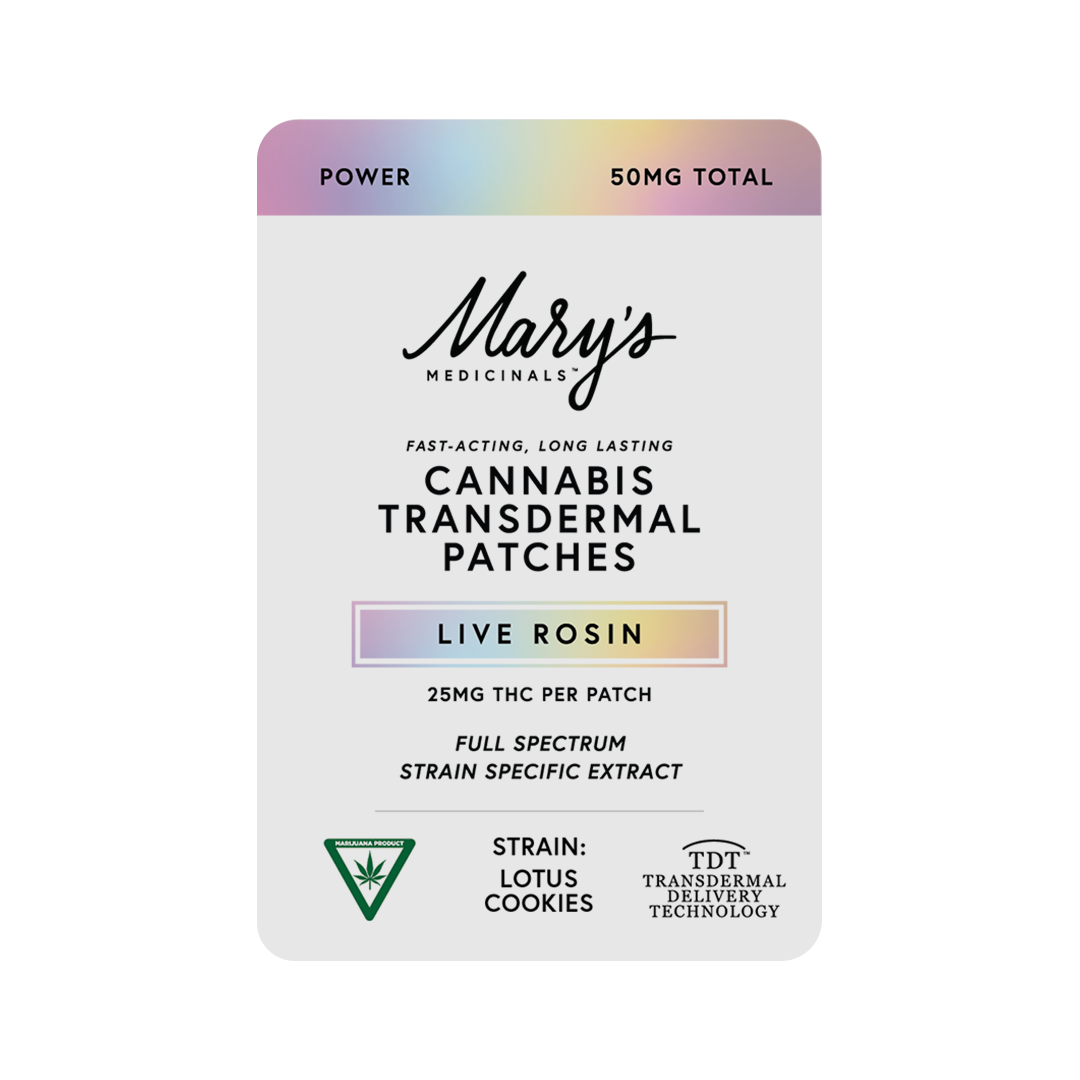
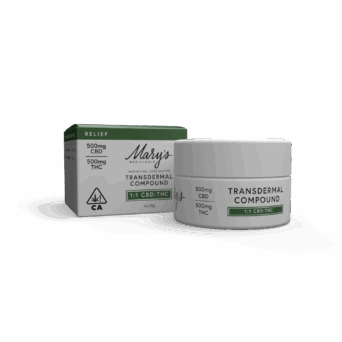
Inside our lineup, it helps to know the language. Our balm-style products are called compounds. Our patches are built for deeper delivery, and Mary’s Medicinals patches go 7 to 10 layers deep into the bloodstream. If you want to compare formats side-by-side, browse our Transdermal & Topical Products collection.
CBD lotion texture: pick the feel that matches your routine (not just your preference)
Texture is personal, but it is also practical. The way a formula feels can tells you how it is going to spread, how fast it will absorb, and whether it will stay where you put it.
- Lotions: lighter, fast-spreading, good for larger areas and everyday use.
- Creams: a little richer, a nice middle ground when you want more cushion without a heavy finish.
- Salves or balms (compounds): thicker and more occlusive, usually best for a small, focused spot.
- Oils or sprays: thin, quick application, often handy for hard-to-reach places.
Use the tester like you mean it. Rub in a small amount and pay attention to what happens after a minute. If it pills up, separates, feels gritty, or stays weirdly greasy no matter how long you wait, you just learned something the COA cannot tell you.
CBD lotion scent: treat it like a freshness check and a skin-sensitivity clue
Scent should not be the deciding factor, but it is a very useful signal. If a lotion smells stale, rancid, or waxy in a crayon-like way, the carrier oils may be past their prime or the formula may not be well stabilized. Your nose is not being dramatic, it is doing quality control.
If the scent is simply strong, ask yourself why. Some products lean hard on fragrance for that “spa” vibe or to cover natural plant notes. If your skin is reactive, heavy fragrance, whether natural or synthetic, can be the thing that ruins an otherwise solid product. In that case, a simpler scent profile is usually easier to live with, especially if you plan to apply more than once a day.
Ingredient scan: the 20-second habit that saves you from buyer’s remorse
The COA confirms potency and safety testing. The ingredient panel tells you what your skin is actually going to sit with for hours. Take a quick look before you commit.
- Carrier base: oils and butters you already tolerate are your safest bet.
- Cooling or warming ingredients: menthol and similar ingredients can feel intense, especially on sensitive skin.
- Botanicals and essential oils: they can be nice, but they can also be sensitizers if you are prone to irritation.
- Preservatives: important for stability, especially in water-based lotions and creams.
If it is your first time with a formula, patch-test it. Put a small amount on the inside of your wrist or forearm and give it a little time before going all-in.
Topical vs transdermal: make sure you know which lane you are in
This is where a lot of dispensary confusion comes from, and it is worth clearing up. A traditional topical is generally designed to work locally at the skin level. A transdermal product is engineered to cross the skin barrier, which is why you will hear more about bioavailability, consistent dosing, and extended release in transdermal conversations.
If you are patch-curious, our post THC Patches: How Long They Take to Work and Last walks through typical onset, duration, and why placement matters. Our quick placement tips: aim for thinner-skin areas like the inner wrist, top of the foot, or back of the knee. Rotate sites for consistency. For discretion, the top of the foot is hard to beat.
FAQ
What should you ask for first when CBD lotion shopping in-store?
Ask to see the batch-specific COA for the exact product you are buying. If there is a QR code on the package, scan it and make sure the lot number matches.
What is the fastest way to compare dose between two CBD lotions?
Compare mg per ounce. Divide the total cannabinoids (mg) by the container size (oz). That one number makes shelf comparisons much more honest.
Is a THC lotion automatically stronger than a CBD lotion?
Not necessarily. Strength comes down to concentration, the cannabinoid ratio, and how much you apply. Use the COA and the mg-per-ounce math first, then choose THC based on your comfort level.
Why can two topicals with the same mg feel totally different?
The base formula does a lot of the heavy lifting. Absorption speed, carrier oils, texture, fragrance, and botanical ingredients all change how the product feels, even when the cannabinoid number matches.
Conclusion
CBD lotion shopping gets easier when you stop relying on front-label hype and start using a repeatable routine. Check the COA, compare mg per ounce, choose a texture that fits how you actually apply product, then let scent and ingredients guide you toward something your skin will enjoy.
If you want help narrowing it down between a classic topical and a transdermal option, explore our educational hub in Mary’s Medicinals Learn or reach out through Mary’s Medicinals customer support. We will help you get to the right fit without the guesswork.