THCa vs THC is one of those cannabis topics that sounds academic until it shows up in your real life. You buy something labeled THCa, you use a little heat, and suddenly the experience feels a whole lot more like “classic THC” than you expected. That is not a trick. It is chemistry doing what chemistry does.
We are Mary’s Medicinals, and we spend a lot of time helping you make sense of labels, lab reports, and how different formats actually feel day to day. So let’s make this simple and practical: what THCa is, why it usually is not intoxicating when it is raw, how decarboxylation flips the switch, and what that means for dosing, storage, and even legality.
THCa vs THC: one small structural change, a very different outcome
THCa is short for tetrahydrocannabinolic acid. It is the form the cannabis plant naturally produces in fresh flower. The easiest way to picture it is this: THCa has an extra “acid” piece attached, called a carboxyl group. That extra piece is why you will often see it listed as an acidic cannabinoid on lab reports.
If you want the quick chemistry refresher, Wikipedia’s overview of tetrahydrocannabinolic acid (THCa) lays out the basics.
Here is the part that matters for your experience: that extra group changes how well THCa fits with the receptors responsible for the heady, intoxicating side of THC. Delta-9 THC is shaped in a way that more readily activates CB1 receptors. THCa, in its raw form, generally does not, which is why most people do not describe raw THCa as “getting you high.”
THCa vs THC: why raw THCa usually feels clear-headed
If you have ever seen someone add raw cannabis to a smoothie or talk about “THCa routines” without sounding impaired, this is the reason. In raw form, THCa tends to be a poor match for CB1 receptor activation compared to THC, so the typical intoxication pattern is not the default outcome.
A consumer-friendly breakdown of the difference is covered in Weedmaps’ guide to the difference between THCa and THC.
That does not mean THCa is useless or “nothing.” It just means it may land differently, and research is still evolving. Many of our customers are drawn to THCa because it can fit into daytime life when you want to stay sharp and steady, not floaty.
Decarboxylation: the heat step that turns THCa into THC
Decarboxylation is the change that connects THCa vs THC. Add heat, and THCa loses that extra carboxyl group, releasing carbon dioxide and converting into THC.
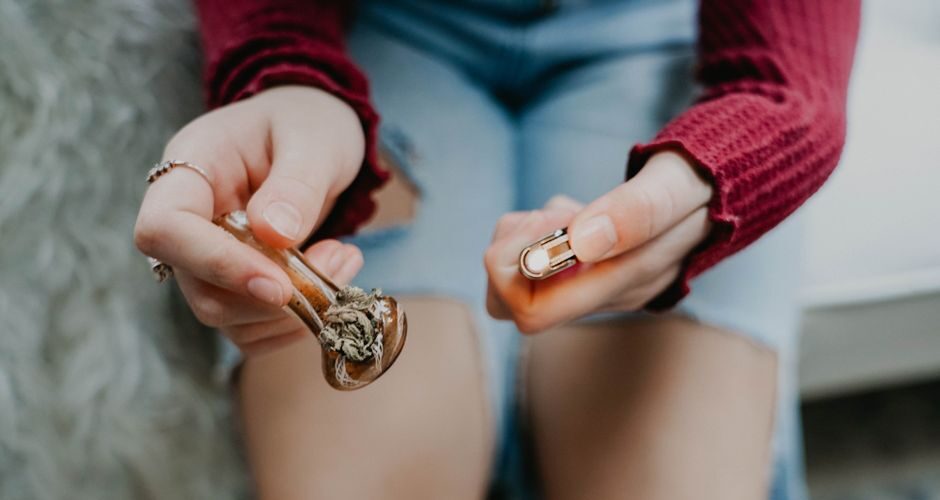
This can happen fast with high heat, like smoking or vaping. It can also happen more gradually with lower heat, like baking. It even creeps along slowly over time if your storage conditions are warm or bright. For a straightforward explainer, Verilife’s “What is THCa?” overview walks through why THCa flower becomes THC when you use it like traditional flower.
Once THCa converts to THC, you should expect THC-style effects. And practically speaking, this is a one-way street in everyday use. You are not turning THC back into THCa in your kitchen.
THCa vs THC in real life: the format is the decision
Most confusion around THCa vs THC comes from one simple thing: the label tells you what is in the product, but how you use it decides what your body actually gets.
- Smoking or vaping: heat hits immediately, so most of what you inhale is effectively THC.
- Baking or cooking: you typically decarb first, then infuse. That prep step is what moves THCa toward THC.
- Raw or minimally heated use: you preserve more THCa, which is why raw approaches are usually discussed in non-intoxicating wellness routines.
- Topicals and transdermal: these formats are built for a different kind of experience, and they do not rely on combustion.
If you like comparing formats by timing and predictability, you may also want our internal breakdown of THC tincture vs edible dosing, onset, and peaks. It is a helpful way to think about why two products with the “same cannabinoid” can feel so different.
Decarboxylation math: how THCa turns into “total THC” on paper
Here is a detail that saves you from surprises at checkout. THCa and THC do not weigh the same at the molecular level. When THCa converts to THC, it loses mass, so the “potential THC” number is lower than the THCa number you started with.
That is why labs and product labels often use this estimate:
Estimated THC = THCa × 0.877
It is not perfect, because real-world conversion depends on time, temperature, moisture, and plenty of other variables. Still, it is a solid rule of thumb when you are trying to translate a high-THCa result into what it could mean after heating.
| Lab result (THCa %) | Estimated THC after decarboxylation (THCa × 0.877) | What that implies after heating |
|---|---|---|
| 10% THCa | 8.8% THC | Lower THC potential |
| 20% THCa | 17.5% THC | Mid-range THC potential |
| 30% THCa | 26.3% THC | Higher THC potential |
If you want to get more confident reading lab results, we put together a plain-English guide to Certificate of Analysis basics and how to read a COA. It explains why THCa and Delta-9 THC show up as separate line items and how they roll up into “total THC.”
THCa’s wellness lane: a different cannabinoid, different goals
We think it helps to treat THCa as its own cannabinoid, not just “THC that has not heated up yet.” A lot of the interest in THCa comes from the idea that it can support a clear-headed routine. People often pair it with thoughtful product design, like terpene infusion, because the goal is not to chase intensity. The goal is to feel good and stay functional.
If you are curious how THCa can be paired with citrus-forward terpenes in a recovery-oriented approach, our post on THCa + limonene and citrus terpenes for recovery digs into why aroma is only part of the terpene story.
Storage tips: keeping THCa from quietly drifting toward THC
Heat is the big trigger for decarboxylation, but it is not the only one. Light, warmth, and time can gradually move the needle. That means older flower, or products left in bright or hot places, can sometimes behave differently than you expected based on the original lab numbers.
If your goal is to keep THCa as intact as possible, a few habits help:
- Store it cool and dark, like a cabinet or drawer, not a sunny windowsill.
- Use an airtight container to limit exposure to air and shifting humidity.
- Avoid the car test. A few hours of heat and sunlight can do more than you think.
If your goal is the opposite, meaning you want THC conversion for an infusion, you are better off using controlled time and temperature instead of winging it.
Legal and labeling: THCa vs THC can change the rules fast
THCa vs THC is also a compliance issue, not just an effects conversation. Many regulations historically focused on Delta-9 THC content, especially in hemp definitions. But more jurisdictions now look at “total THC” concepts that factor in THCa because of how easily it converts with heat.
Because the rules are not consistent from state to state, we recommend treating THCa-rich flower as THC-capable if you plan to heat it. And if you are unsure about a label or lab report, ask before you buy or travel. You can always reach us through Mary’s Medicinals customer support and we will help you think it through.
FAQ: THCa, THC, and decarboxylation
Is THCa the same as THC?
No. THCa is the raw, acidic form found in fresh cannabis. THC is what you get after THCa is heated and decarboxylated. That one change can shift the experience significantly.
Will THCa get you high?
Most people do not find raw THCa intoxicating. If you smoke, vape, or bake THCa-rich material, decarboxylation converts much of it into THC, which can be intoxicating.
What temperature decarboxylates THCa?
Decarboxylation happens across a range of temperatures and times. In home cooking, many people decarb around 220 to 240°F for about 30 to 40 minutes, but results vary based on factors like airflow, moisture, and how the material is prepared.
How do you estimate total THC from THCa on a label?
A common estimate is THC = THCa × 0.877. It reflects the mass lost during conversion and helps you translate THCa-heavy results into a rough “potential THC” number after heating.
Can THC turn back into THCa?
Not in normal consumer conditions. Once THCa has decarboxylated into THC, it does not revert back.
Conclusion: treat heat like a setting, not an afterthought
Once you understand THCa vs THC, you can make cleaner choices. Keep things raw and you are more likely staying in THCa territory. Add heat, and you are choosing a THC-forward result through decarboxylation.
If you want a second set of eyes on a COA, help picking a format that fits your routine, or just a sanity check before you try something new, reach out to our team. We will keep it straightforward and practical, the way cannabis wellness should be.