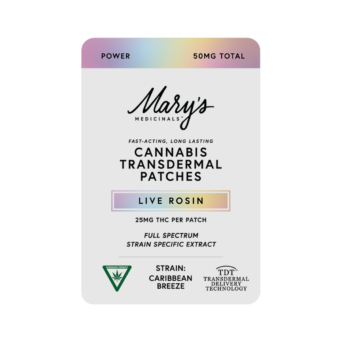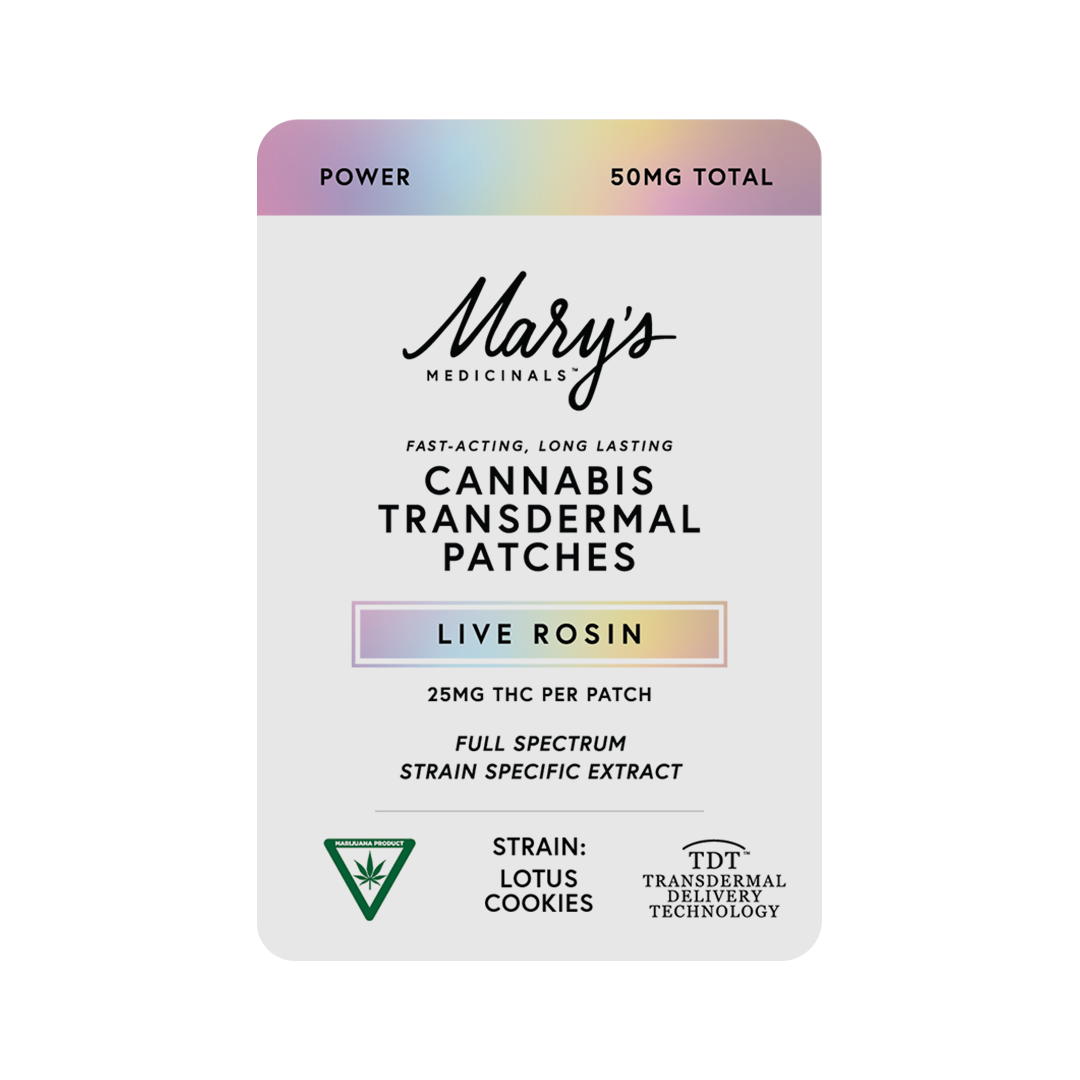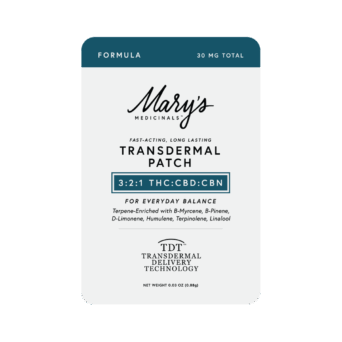
Best THC patches for pain are worth looking at when you want steady, low-fuss support that fits into your day without planning your schedule around re-dosing. If you have ever been at the dispensary counter squinting at tiny print and wondering why two patches with “THC” on the front can feel totally different, you are not imagining it. The details matter, and they show up in real life.
We are Mary’s Medicinals, and we built our reputation on transdermal delivery because consistency and discretion are the whole point. Below, you will learn what to compare, what to ask for, and how to pick a patch that actually matches your routine.
Best THC patches for pain: topical vs transdermal (know what you are buying)
Before you compare brands, make sure you are comparing the right product type.
- Topicals are designed to stay closer to the surface and are often used for localized, spot-specific comfort.
- Transdermal patches are engineered to move cannabinoids through multiple layers of skin and into your bloodstream, which is why people associate them with more systemic, whole-body effects.
One practical difference: transdermal delivery sidesteps digestion. That means you are not dealing with the same “edible math” or the same unpredictability that can come with first-pass metabolism. If you want the plain-English version of why edibles can feel more intense, review our guide on first-pass metabolism and why edibles hit harder than patches.
And yes, people choose patches for the long runway: gradual onset, less up-and-down, and fewer moments where you are reaching for the next dose. A 2024 review indexed in PubMed Central on cannabis transdermal patches discusses both the potential and the reality that experiences vary person to person, which is a helpful mindset to bring to shopping.
Best THC patches for pain start with patch design (matrix vs reservoir)
This is the part most packaging glosses over, but patch construction can change how “smooth” the release feels. If you like to shop with confidence, ask your budtender which style you are looking at.
- Matrix patches: cannabinoids are distributed throughout the adhesive layer and diffuse over time.
- Reservoir patches: cannabinoids are held in a separate layer or chamber, and a membrane helps control release.
At Mary’s we have Matrix patches so you can easily cut and adjust your desired dose. If you want a quick, non-salesy overview of why build matters, how cannabis transdermal patches deliver cannabinoids through the skin breaks down the basics in a way that is easy to follow.
How to compare THC patches for pain at the dispensary (a label checklist you will actually use)
When you are trying to pick among a few options, you do not need a chemistry degree. You just need a short checklist that keeps you out of the weeds.
- Total cannabinoids per patch (mg): look for clearly listed THC mg and CBD mg.
- Ratio: THC-dominant, CBD-dominant, or balanced ratios like 1:1 can feel very different in terms of clarity and intensity.
- Wear time: many patches are built for an 8 to 12 hour window, but you will see longer options too. Longer is not automatically better if you prefer more control.
- Testing and ingredient transparency: choose brands that make third-party lab results easy to access and keep the ingredient list straightforward.
- Adhesion and daily-life durability: if it peels up when you walk, sweat, or get dressed, delivery gets inconsistent fast.
If you want to get better at reading patch labels in general, keep our walkthrough bookmarked: how to read transdermal patch dose, ratio, and terpenes.
THC vs CBD vs 1:1: picking a THC patch for pain that fits your day
The “best” patch is rarely the strongest one. It is the one that matches your tolerance, your schedule, and how functional you need to feel while it is on.
- THC-dominant patches: often chosen when you want stronger overall effects and you already know you handle THC well. Many people reserve these for evenings.
- CBD-dominant patches: a common pick if you are THC-sensitive or prefer little to no intoxication.
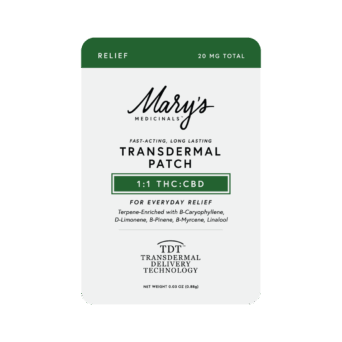
- 1:1 THC:CBD patches: the classic middle path. A lot of customers describe this as “more even” and easier to use during the day.
We also think it is worth remembering that “pain support” does not always mean the same thing to everyone. Some people want to stay clear-headed at work. Others want help unwinding at night. If you prefer to keep things more daytime-friendly, our Recovery (THCa) Transdermal Patches are built around THCa, which is non-psychoactive. You can get the full breakdown in what a THCa patch does for recovery support.
Potency and microdosing: how to find your “just right” patch strength
Patch potency can range widely, and the number on the label does not behave like a quick inhale. With transdermals, the goal is usually a steady baseline over hours, not a fast peak.
If you are newer to THC patches, or you know you are sensitive, start low. Give yourself a few wears before you decide it is “not working.” A patch is often subtle until you notice what you are not doing, like constantly thinking about your discomfort or timing your next dose.
We recommend customers microdose by cutting a patch into smaller sections, with our matrix patches you can be sure your 1/2 or 1/3 cuts are the dose you’re looking for. That can be a practical approach, but be aware: cutting may affect adhesion and the delivery pattern depending on patch design. If you try it, make clean cuts, apply to dry skin, and track your results so you can repeat what works.
A quick comparison table for THC patches for pain
| What you compare | What to look for | Why it matters |
|---|---|---|
| Patch type | Matrix vs reservoir | Shapes the release curve and how steady it feels |
| Ratio | THC-dominant, CBD-dominant, or 1:1 | Changes clarity, intensity, and overall “vibe” |
| Total dose (mg) | Clear THC and CBD mg listed | Makes your experience easier to repeat |
| Wear time | Often 8 to 12 hours | Helps you match support to your schedule |
| Testing and ingredients | Third-party labs, clean materials | Supports accuracy, safety, and trust |
| Adhesion | Durable adhesive + good skin prep guidance | Consistent contact supports consistent delivery |
Best THC patches for pain also depend on placement (where you put it matters)
We know it can sound picky, but placement can change your experience. For best absorption, apply your patch where skin tends to be thinner and veins are closer to the surface:
- Inner wrist
- Top of the foot
- Back of the knee
If discretion is your priority, the top of the foot is usually the easiest to keep covered and protected from friction. Rotate your placement between left and right sides, alternating arms and feet, to help reduce irritation and keep adhesion consistent.
We do not recommend placing patches on the ankle, upper arm, or lower back. Those areas tend to have thicker skin, which can make it harder for transdermal carriers to do their job.
Why experiences vary (and how to make your patch feel more consistent)
Even with a great patch, your body is part of the equation. Absorption can shift with skin type, hydration, body temperature, movement, and where you place the patch. If you have a higher THC tolerance, the slow-and-steady nature of transdermals can feel understated compared to inhalation.
If you want to stack the odds in your favor, keep it simple:
- Apply to clean, dry skin and avoid lotions or oils beforehand.
- Press firmly for solid contact.
- Pick a low-friction spot if you are walking a lot or changing clothes often.
- Give your body time. Consistency usually shows up over repeated use.
FAQ: THC patches for pain
How long do THC patches for pain take to kick in?
Many people notice effects within the first hour. The goal is usually a gradual onset and steady support rather than a fast “hit.”
Will THC patches for pain make you feel high?
A THC-dominant transdermal patch can feel intoxicating because it is designed for systemic absorption. If you want to stay more functional, consider a CBD-dominant or 1:1 patch and start with a lower dose.
Can you cut a THC transdermal patch in half?
A lot of people do for microdosing. Cutting can affect adhesion and delivery depending on patch design, so start conservatively and keep notes on what you feel before you increase.
Where should you not place a THC patch?
Skip thicker-skin areas like the ankle, upper arm, and lower back. Also avoid irritated, broken, or freshly lotioned skin.
What if a patch does not stick well?
Skin prep is usually the fix. Wash the area, dry it completely, avoid oils and lotions, press firmly, and choose a spot with less rubbing like the top of the foot.
Conclusion
The best THC patches for pain are the ones that match your tolerance and your day, not the ones with the biggest number on the box. When you compare patch design, ratio, dose, wear time, and placement, you can shop smarter and end up with a patch you will actually use consistently.
If you want help picking the right Mary’s option, explore our lineup on the Mary’s Transdermal & Topical products page or reach out through our contact page.