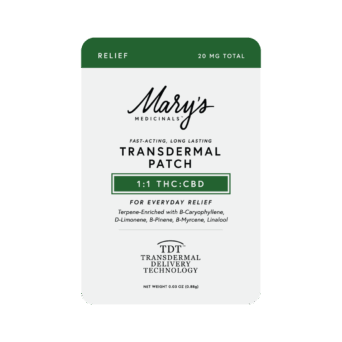
Transdermal cannabis isn’t just a fancy way to say “topical.” It’s a specific kind of product design that aims to move cannabinoids past the skin’s outer barrier, not simply sit on top of it. If you have ever rubbed on a balm or THC lotion expecting a whole-body shift and got more of a “nice on the spot” feel instead, that’s a common mismatch in expectations. Let’s clear it up in plain language so you can choose the right format for your day, your routine, and your comfort level.
Transdermal cannabis vs. cannabis topicals: what you should expect to feel
Most cannabis topicals are built for localized support. Think lotions, creams, salves, and what we call compounds at Mary’s. You apply them where you want support, and the cannabinoids mainly interact with the skin and nearby tissues. That is why plenty of people use a topical on a shoulder, knee, wrist, or lower back and still feel clear-headed.
Transdermal cannabis is different because the goal is deeper delivery. A true transdermal formula is designed to help cannabinoids travel through multiple layers of skin and potentially reach systemic circulation. When that happens, the experience can feel broader and longer-lasting than a typical topical.
If you want an outside perspective that matches what you may have noticed in real life, breakdown of topical CBD vs. transdermal CBD explains why these formats are not interchangeable, especially when you are comparing onset time, duration, and overall feel.
What “transdermal cannabis technology” actually means (without the lab-coat talk)
Your skin is good at its job. It is basically your body’s bouncer, and it does not let most things stroll right in. That is why you will hear brands talk about “transdermal technology.” When it is real, it usually means the formula includes a delivery system intended to help cannabinoids move through the skin barrier more effectively than a basic oil-and-lotion blend.
In the cannabis space, you will see a few common formulation approaches, such as specialized carriers, skin-friendly penetration enhancers, or encapsulation methods that help control how ingredients are released. The important point is this: it is not only what cannabinoid is in the product, it is how the entire formula is built to carry it.
For a deeper, research-focused read, this review in Molecules on transdermal cannabinoid delivery walks through why cannabinoids are challenging to deliver through skin and why formulation choices matter.
Why transdermal cannabis patches are the clearest example of true transdermal delivery
If you are trying to understand transdermal cannabis quickly, start with transdermal patches. A patch is made to sit on your skin for hours and release a measured amount over time. That controlled release is the whole point. You are not guessing whether you applied “enough,” and you are not reapplying every couple of hours because it wore off during your day.
If you have ever used a nicotine patch, the concept is similar: steady, gradual release rather than a quick spike. Leafly’s guide to cannabis transdermal patches does a good job describing why patches tend to be the most reliable format when your goal is consistent, time-released delivery.
Can a THC lotion be transdermal cannabis, or is it just a topical?
Sometimes it can be transdermal, but you should not assume it is.
A THC lotion might be formulated with ingredients and a delivery system aimed at deeper penetration. Plenty of lotions, though, are primarily topical. They can still be great, but they are usually designed for spot-specific comfort rather than systemic effects.
When you are trying to tell the difference, look for practical details that go beyond buzzwords:
- Dosing clarity: Are cannabinoids listed in milligrams per container and, ideally, per suggested use?
- Time expectations: Does the brand explain a realistic window for onset and how long it may last?
- Use case: Is it positioned for localized support, or does it describe a controlled, longer-duration release that suggests transdermal intent?
- Delivery explanation: Can they explain how the formula is designed to get past the skin barrier?
If a company is doing real transdermal work, they can usually explain the “how” in everyday terms.
Will transdermal cannabis feel intoxicating, and what about drug tests?
Because transdermal cannabis products may deliver cannabinoids into systemic circulation, some THC-containing options can feel more like a whole-body experience than a standard topical. Whether you feel psychoactive effects depends on the dose, your sensitivity, and the formulation.
Patches also tend to feel different from inhalation. Many people describe them as steadier, with a slower build rather than a fast peak.
One practical note: if THC enters your bloodstream, there is a higher chance it could be detectable on a drug test than with a localized topical that stays mostly near the surface. If testing is a concern, choose carefully and ask a knowledgeable dispensary team member for help matching a product to your risk comfort level.
How to choose between cannabis topicals and transdermal cannabis patches
When you are shopping, you will save yourself a lot of trial and error by asking one simple question first: do you want spot-specific support, or are you looking for systemic, longer-duration effects?
Here are a few quick guidelines you can actually use:
- Choose a standard topical when you want targeted support in one area and you prefer to stay in a non-intoxicating lane.
- Choose transdermal patches when you want steady, measured delivery and you like “set it and forget it” dosing.
- Match the duration to your day by checking the brand’s expected wear time and deciding whether you want something short and flexible or long and consistent.
- Favor high bioavailability formulas when you want more efficient use of cannabinoids. Bioavailability is the proportion of a substance that enters circulation and has an active effect, and higher bioavailability can mean you may need less product to get the result you are after.
If you want the Mary’s-specific version of this comparison, Transdermal Compound vs Standard Topicals: Why Penetration Matters is a helpful read before you buy your next jar or patch.
Where Mary’s Medicinals fits in: transdermal cannabis that works with real schedules
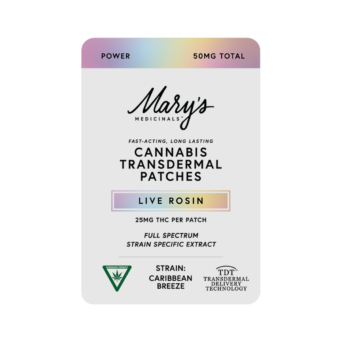
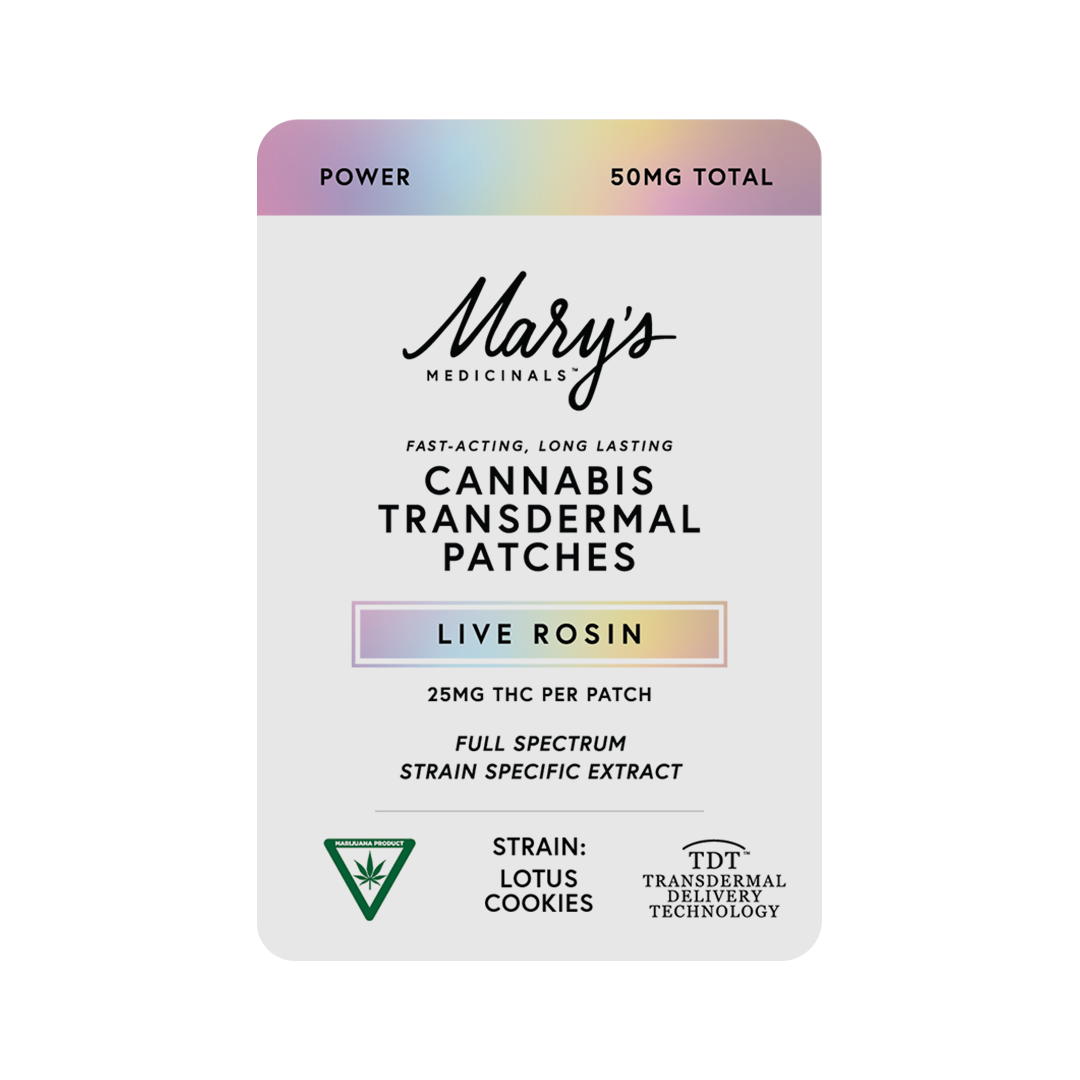
Mary’s Medicinals has been focused on transdermal innovation from the start, especially for people who want discreet, consistent dosing that fits into everyday routines. Mary’s Medicinals Patches are designed to go 7 to 10 layers deep all the way into the bloodstream. That deeper delivery is a big reason customers reach for patches when they are aiming for systemic effects and longer wear time.
If you are comparing formats, start with our Transdermal & Topical Products collection page so you can see patches, compounds, and other options side by side.
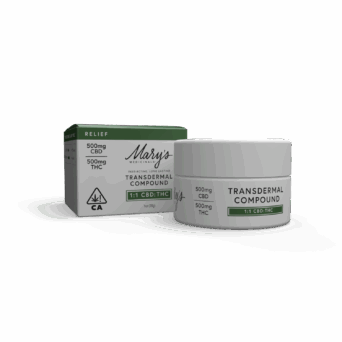
Want something that stays more localized? Our Transdermal Compound is built for 3 to 5 hours of spot-specific support, which is longer than what many people get from a standard topical. And if you like a cooling finish after a long day or post-workout, Relief Muscle Freeze: Cooling Ingredients & Cannabinoid Benefits breaks down what cooling ingredients like menthol and camphor can feel like alongside cannabinoids.
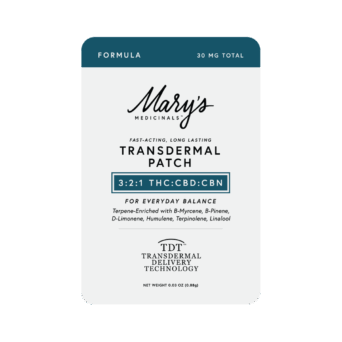
If you are exploring effect lines, you will also see terpene infusion in Mary’s Transdermal Patches and Remedy Tinctures. Terpenes are responsible for the flavors, aromas, and effects associated with different cannabis varieties, and we use proprietary terpene blends and cannabinoid mixes to support targeted outcomes.
FAQ: transdermal cannabis, patches, and topicals
How long does transdermal cannabis take to work?
It depends on the product and your body. Patches are typically designed for gradual release, so you may notice a slower onset than inhalation. The tradeoff is a steadier experience over time.
Do transdermal cannabis patches work better than a THC lotion?
“Better” really means “better for your goal.” Patches are often more consistent for systemic delivery because the dose and release rate are built into the patch. A THC lotion can be a great choice for localized support, but how much you apply and how your skin absorbs it can vary from day to day.
Why do some products labeled transdermal feel like a normal topical?
Because the term gets used loosely. If a product is not formulated with a true penetration-enhancing delivery system, it may behave like a standard topical and stay mostly near the surface.
Can you use cannabis topicals and transdermal cannabis patches together?
Many people do, especially when they want targeted support in one area plus longer wear from a patch. Follow label directions, and if you are new to THC, consider starting with a lower dose so you can learn how you respond.
What is the simplest way to shop smarter?
Decide whether you want localized or systemic effects, then pick the format that matches. For controlled, longer-duration delivery, look to patches. For spot-specific comfort, a topical or compound is often the better fit.
Conclusion: transdermal cannabis should describe the delivery, not just the label
When you see transdermal cannabis on a product, you are really asking one question: is this engineered to move cannabinoids past the skin barrier, or is it a classic topical with a science-sounding name? In general, cannabis topicals are a solid choice for localized, targeted support, while transdermal cannabis patches are built for consistent delivery and longer wear.
If you want help narrowing it down, browse the Transdermal & Topical Products collection and choose based on what you want to feel, how long you want it to last, and how discreet you need it to be.