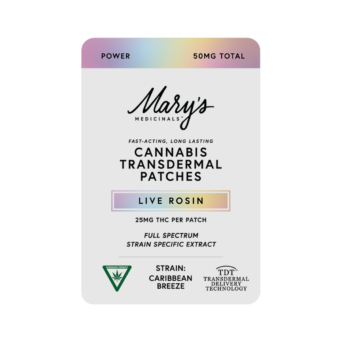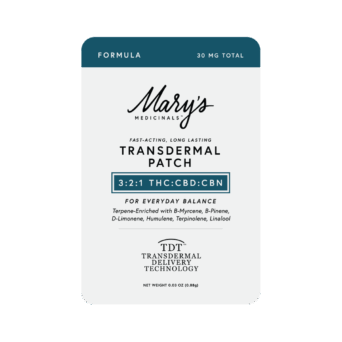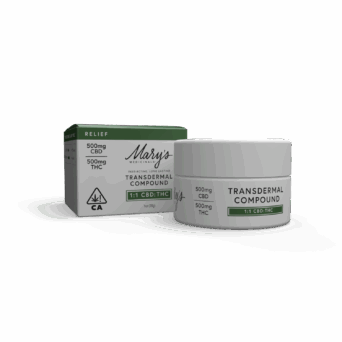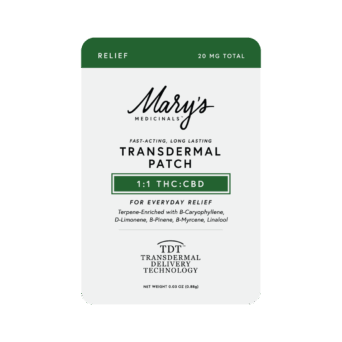
You might have heard the phrase transdermal compound tossed around when browsing for cannabis topicals, but what does it truly mean for your wellness routine? Here at Mary’s Medicinals, understanding the nuances between transdermal compound and standard topical products can help you select the most effective solution for your individual needs. Penetration plays a leading role – determining not just how a product works, but how well it supports you.
Getting to Know Standard Cannabis Topicals
Those who have ever applied a standard topical like a lotion, balm, or cream infused with cannabinoids, know the immediate sense of targeted comfort they can provide. These products are made to rest on your skin, working locally where you apply them. By combining cannabinoids with familiar carrier oils – think coconut or beeswax – the goal is to soothe and ease without introducing anything psychoactive into your system. Typical cannabis topicals stay surface-level; they don’t make their way into your bloodstream. So, if you’re after straightforward, non-intoxicating, area-specific relief, standard topicals meet the mark.
The Transdermal Compound Advantage: Why Penetration Sets It Apart
Transdermal compounds, on the other hand, tell a very different story. Mary’s Medicinals considers ‘Compounds’ as spot-specific transdermal products, which allows for deeper local relief potentially reaching connective tissues, compared to standard topicals that just sit on top of the skin. Developed with intention – something we at Mary’s take great pride in. It’s not just a catchphrase; transdermal delivery is what transforms relief from being simply spot treatment into a solution that reaches the rest of your body. This deeper absorption makes effects more widespread, and products like our transdermal patches are designed specifically for this sort of system-wide support they go 7-10 layers deep into the bloodstream. While spot-specific transdermal products are formulated to go beyond the first layer of skin.
Why Penetration Technology Matters
Let’s dig a little deeper. The technology behind transdermal cannabis patches means your body steadily receives cannabinoids across a sustained window – up to 12 hours of full-body relief. Compare that to the shorter lifespan of Transdermal Compound only offers 3-5 hours of spot-specific relief, longer than your standard topical. Mary’s has pushed this science even further with advanced penetration technology in our Transdermal & Topical line. By increasing the rate and depth of absorption, you use less product to get more effect from innovative cannabinoids – and that means more reliable, long-term support day after day.
Transdermal vs Standard Topicals: Duration, Bioavailability, and Effectiveness
The difference is noticeable. A standard topical gives you a few hours of relief that stays on top of the skin. But, when trying to go deeoper to reach connective tissue transdermal compounds takes the win. The magic lies in the enhanced bioavailability – every milligram goes further. In short, transdermals make it easier to get the value you want, even from a modest dose.
Not Just Skin Deep: Key Considerations for Transdermal Compounds
One thing to keep top of mind – when you use a transdermal product containing THC, cannabinoids actually circulate in your bloodstream. Unlike regular topicals, the system-wide effects mean these compounds can show up in drug screens and, for some rare users, even produce psychoactive effects. For anyone sensitive to THC or expecting a test, that’s important to weigh. However, if you’re managing long-term discomfort, or want consistent, deeper support, many find that the added bioavailability is a huge plus. Transdermal products are celebrated for bridging that gap – offering both targeted and widespread relief, depending on what’s needed most.
Decision Time: When Should You Choose a Transdermal Compound?
- For sustained, whole-body support: Opt for a transdermal compound or patch. Only our patch has 12 hour delivery over time. For deeper comfort, potentially reaching connective tissues, Transdermal Compounds shine past traditional topicals for deeper relief of a specific area.
- For accurate, discreet dosing: Transdermals make it easy – just apply, and you’re set.
- For surface-level, non-intoxicating comfort: Classic topicals shine for short bursts of relief on a specific area.
- When every milligram counts: Advanced transdermal tech means greater bioavailability, allowing you to get more effective results with less product.
If you’re interested in diving deeper into the science behind cannabinoid delivery, Mary’s offers a detailed Learn page where you can expand your knowledge on delivery methods and cannabis terms.
FAQ: Quick Answers About Transdermal and Cannabis Topicals
- Will a transdermal compound cause psychoactive effects?
If the product contains THC, some users report feeling subtle psychoactive effects. Standard topicals are non-intoxicating. - How quickly do transdermal products take effect?
Often, you’ll notice more consistent and sometimes faster onset, especially with science-forward options like those in Mary’s collection. - Are there risks when using transdermal cannabis?
There’s a chance cannabinoids may appear in drug screenings, and systemic effects might be stronger. It’s best to start small and observe how your body responds. - Where should I go to see all Mary’s options?
Check out the full product lineup whenever you’re ready to learn more or review what’s available.
Conclusion: The Power of Penetration in Cannabis Topicals
Choosing between a standard topical and a transdermal compound comes down to knowing how each works and what you’re hoping to achieve. For localized, short-term comfort, standard cannabis topicals offer an approachable starting point. If you’re looking for something that goes beyond the surface and offers enduring results, transdermal cannabis products provide a clear edge – supported by thoughtful research and user experience. For more insights and discussions, stop by Mary’s blog. We’re always here to help you find your better way to feel better.