Hemp extract vs CBD isolate can sound like a tiny label detail, but it changes what’s actually in the formula, how consistent your dose feels, and how you decide what belongs in your routine. If you’ve ever tried two “CBD” products that looked similar on the front panel but felt totally different day to day, you’re not imagining it. The ingredient type is usually the reason.
At Mary’s Medicinals, we spend a lot of time thinking about chemistry and delivery, because cannabinoids and terpenes are not interchangeable. Your body notices the difference, even when the marketing copy tries to blur it.
Hemp extract vs CBD isolate: the quick, plain-English definition
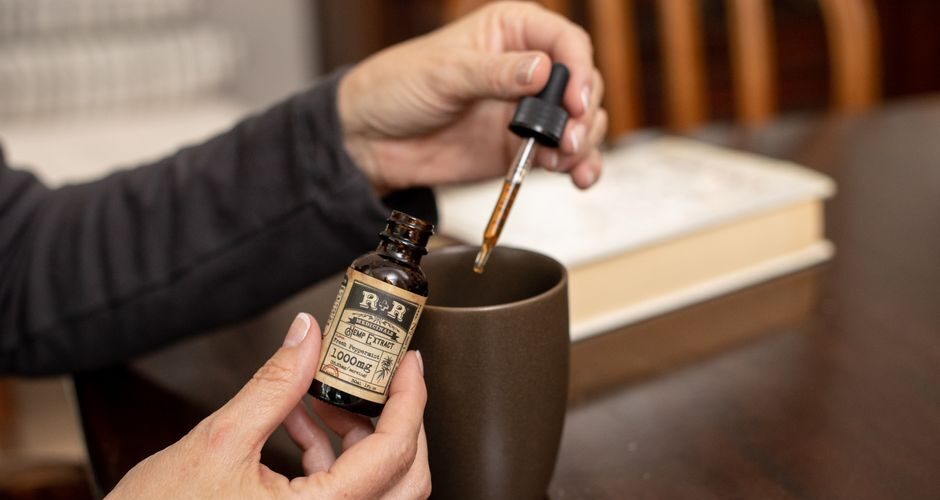
Hemp extract is an umbrella term for an oil or concentrate pulled from hemp. Depending on how it’s made and how much it’s refined, hemp extract can include a mix of cannabinoids (CBD, plus smaller amounts of others), along with terpenes, flavonoids, and other plant compounds. Some hemp extracts also include trace THC that stays within federal hemp limits.
CBD isolate is the minimalist option. It’s CBD separated from the rest of the plant material until you’re left with a highly purified cannabidiol ingredient, often a white crystalline powder. No meaningful minor cannabinoids. No terpene aroma. Just CBD, measured and repeatable.
If you want a simple mental picture: hemp extract is the whole pantry. Isolate is one labeled jar.
Hemp extract vs CBD isolate in real life: why one can feel “richer”
When you use a hemp extract, you’re usually getting more than one active compound. That broader chemistry is one reason some people describe extract-based formulas as feeling more “rounded” or “complete,” even at similar milligram numbers.
You’ll also notice it with your senses. Extracts tend to smell and taste more plant-like because terpenes are still in the mix. Isolate-based formulas are often close to neutral, which some people prefer.
If you like to nerd out on why spectrum products can behave differently than purified CBD, a peer-reviewed review on full-spectrum hemp extracts versus CBD isolates goes into how the chemical matrix varies and why that matters for evaluation and safety discussions.
Hemp extract vs CBD isolate: where broad-spectrum fits (and why COAs matter)
You’ll often see a “middle lane” described as broad-spectrum. In everyday terms, that usually means multiple cannabinoids and terpenes are retained, while THC is removed or reduced to very low levels.
One catch: “broad-spectrum” can mean very different things from brand to brand. Some products keep a meaningful range of minor cannabinoids. Others are so refined they behave like CBD-only in practice.
So instead of trusting the front label, trust the document that can’t bluff: the COA. If you want a quick refresher on why hemp categories get confusing fast, this overview of CBD vs hemp product categories does a good job outlining why shoppers end up with questions.
How CBD isolate is made (and why it’s predictable)
CBD isolate usually starts as a broader hemp extract. Then it goes through additional refinement steps designed to strip out fats, waxes, terpenes, THC, and minor cannabinoids. The goal is consistency: nearly pure CBD, batch after batch.
That predictability is the big appeal. If you are THC-sensitive, prefer a simpler ingredient list, or just want to dial in your CBD intake with fewer variables, isolate can make a lot of sense.
If you’re weighing isolate versus broader-spectrum options, this comparison of CBD isolate, broad-spectrum, and full-spectrum CBD explains the practical tradeoffs in plain terms.
What people mean by “entourage effect” (without the hype)
You’ll hear the term “entourage effect” used to describe how cannabinoids and terpenes may work differently together than they do alone. We keep our take grounded: the mix of compounds can change your experience, especially around how “noticeable” or “subtle” a product feels, and how steady it stays over time.
It’s not a promise, and it’s not the same for everyone. But it does help explain why two products with the same CBD number on the front label can land very differently once they’re in your system.
Safety, consistency, and labeling: the not-so-glamorous part that matters most
Here’s the part we wish every shopper heard early: “CBD” on a label does not tell you the whole story. That word could describe an isolate-based formula, a broad-spectrum extract, or a multi-cannabinoid hemp extract where CBD is simply the star of the show.
Your best filter is the COA, because it shows what’s actually in the batch you’re holding.
How to read a COA (so you know what you’re actually buying)
If you adopt one shopping habit, make it this: skim the COA before you commit. You’re looking for two big things, potency and safety testing.
- Cannabinoid panel: confirms CBD potency and shows whether minor cannabinoids are present in measurable amounts.
- THC line items: helps you see whether THC is non-detect or present at trace levels.
- Contaminant panels: often include pesticides, heavy metals, residual solvents, and microbials.
We walk you through it step by step in our own guide to Certificate of Analysis basics and how to read a COA. Once you know where to look, you can compare products in about a minute without getting pulled around by buzzwords.
Choosing between hemp extract vs CBD isolate: a simple decision framework
There’s no universal “best.” There’s only what fits your body, your schedule, and your non-negotiables.
- If THC avoidance is your top priority: start with CBD isolate, then confirm non-detect THC on the COA.
- If you want a more layered plant profile: you may prefer a hemp extract with multiple cannabinoids and terpenes, then verify the cannabinoid panel on the COA.
- If you’ve felt overstimulated or “off” with some products: go simpler, lower your dose, and increase slowly. Fewer variables can be a relief.
And a friendly reminder from us: milligrams are not the whole story. Delivery method changes how fast you feel something, how long it lasts, and how consistent it is from use to use.
How this connects to Mary’s Medicinals: delivery can change everything
Ingredient profile is only one piece of the puzzle. Delivery method shapes onset and consistency, which is why we’re known for transdermal products. We formulate for high bioavailability, meaning more of what you use is formulated to enter circulation and have an active effect.
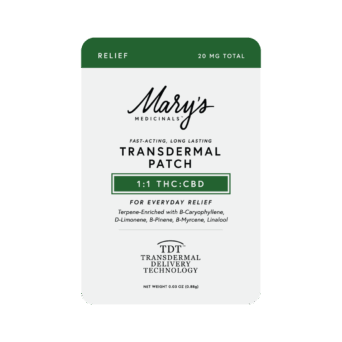
Mary’s transdermal patches are designed to go 7 to 10 layers deep through the skin and into the bloodstream. That’s a different goal than a surface-level topical.
If you want to explore the basics of cannabinoids, terpenes, and absorption, start with our Science of cannabinoids, terpenes, and bioavailability hub. And if you want help matching a product format to your routine, you can always reach us through Mary’s Medicinals customer support.
Quick comparison table: hemp extract vs CBD isolate
| Feature | Hemp extract | CBD isolate |
|---|---|---|
| What it contains | Multiple hemp compounds (varies by product), may include terpenes and minor cannabinoids | Primarily CBD only |
| THC possibility | May contain trace THC depending on product type and COA | Typically THC-free when properly manufactured and tested |
| Flavor and aroma | Often stronger and more “plant-like” due to terpenes | Often neutral |
| Why people choose it | More complex plant profile for some wellness routines | Simplicity, precision, and easier THC avoidance |
| Best way to verify | COA showing a broader cannabinoid panel | COA showing CBD potency and non-detect THC |
FAQ: Hemp extract vs CBD isolate
Is hemp extract the same as CBD?
No. Hemp extract can contain CBD, but it can also include other cannabinoids and plant compounds. “CBD” on a label tells you one ingredient is present, not whether it’s isolate or part of an extract.
Will hemp extract show up on a drug test?
It can, depending on THC content, your frequency of use, and your individual metabolism. If avoiding THC is essential, choose products that are specifically THC-free and confirm it on the batch COA.
Why does CBD isolate feel different from hemp extract?
Isolate delivers CBD without the other cannabinoids and terpenes that may shape your experience. Some people prefer the simplicity and predictability of isolate, while others prefer the added complexity of an extract.
How can you tell if a product is isolate-based or extract-based?
Check the ingredient list and the COA. If the cannabinoid panel shows only CBD in meaningful amounts, it’s likely isolate-based or heavily refined. If you see multiple cannabinoids listed in measurable amounts, it’s more likely extract-based.
What if you’re still not sure which one to pick?
Start low, go slow, and decide your biggest constraint first, like “must be THC-free” or “I want a broader cannabinoid mix.” If you want a second set of eyes on a COA or help choosing a format, contact us through Mary’s Medicinals customer support.
Conclusion
Once you understand hemp extract vs CBD isolate, you can shop by chemistry instead of buzzwords. Hemp extract can bring a wider mix of plant compounds, while isolate keeps things clean, simple, and consistent. Either way, the smartest move is the same: read the COA, match the ingredient profile to your goals, and choose a delivery method that fits your life.