Accurate dosing is the difference using more than you need and knowing feeling confident you know what the day will look like. You want cannabis to fit into your routine the way coffee, a walk, or a nighttime wind-down does, not turn everything into a guessing game. That is exactly why we built Mary’s Medicinals around transdermal products in the first place: if the delivery is inconsistent, the experience usually is too.
When you look under the hood, reliable cannabis dosing comes down to three things working together: the delivery method, the manufacturing standard behind that delivery, and lab testing you can actually verify. Think of them as three pillars. If one is flimsy, the whole “I can count on this” feeling gets shaky.
Accurate dosing begins with how cannabinoids get into your system
Before you even talk milligrams, it helps to talk routes into your system. With edibles, cannabinoids have to go through digestion first and then through first-pass metabolism in the liver. That is a big reason an edible can feel different depending on what you ate, when you ate, how you slept, and all the little variables you do not want to troubleshoot at 9 p.m.
With a transdermal cannabis patch, cannabinoids are designed to pass through the skin barrier and enter the bloodstream, instead of taking the long way around through the gut. One pharmacokinetic paper on PubMed Central reported a CBD transdermal patch system with much higher relative bioavailability than oral dosing, which helps explain why transdermal formats can feel steadier for some people when the formulation is done well. You can review that data in the PubMed Central paper comparing transdermal patch versus oral CBD bioavailability.
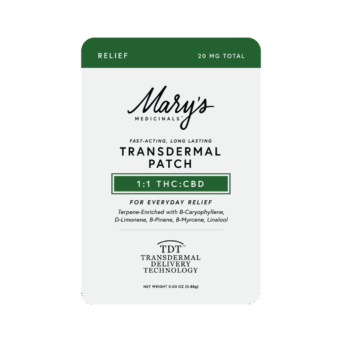
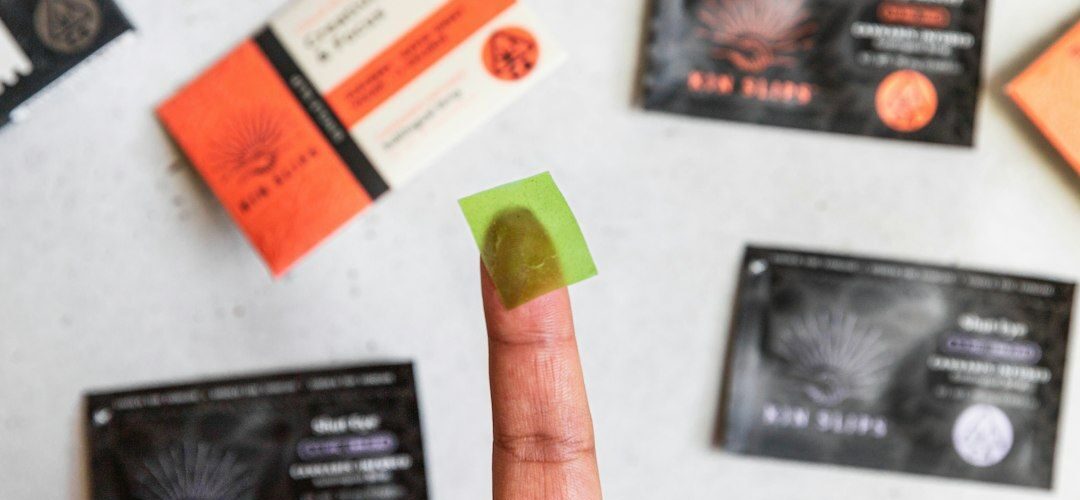
Our patches are built for true transdermal delivery, designed to go 7 to 10 layers deep into the bloodstream. That is the core idea behind “wearable dosing”: you put it on, you go live your life, and you are not stuck watching the clock.
Accurate dosing and “clinical-grade” delivery: what you should actually expect
We use the phrase clinical-grade carefully. To us, it is not a mood or a premium-sounding label. It means the delivery system is engineered to support controlled, repeatable release so your experience is less about spikes and drop-offs and more about a smooth line you can plan around.
A 2024 clinical discussion indexed on PubMed Central highlights a key advantage of transdermal cannabis patches: they can support steadier plasma exposure over time compared to formats that ramp up quickly and fade fast. If you like reading the source material, see the PubMed Central clinical study on cannabis transdermal patches.
Here is the everyday translation: accurate dosing is not only “how much is in the patch.” It is also “how predictably that amount shows up over the hours you are wearing it.” That predictability makes it easier to start low, make small adjustments, and repeat what works.
Accurate dosing is a system, not just a number on a label
Labels are easy. Consistency is the hard part. A brand can print a milligram claim once. The real work is making sure that claim is true batch after batch, and that the product behaves similarly each time you use it.
If you want a quick way to sanity-check dosing claims while you shop, keep it simple. Ask:
- Is the dose stated per patch, not only per package?
- Is it truly transdermal and intended for systemic delivery, not a topical sticker?
- Can you see batch-specific proof that the patch matches the label?
Lab testing is where accurate dosing turns into real accountability
We treat third-party lab testing like receipts. You do not need to take our word for it. You should be able to check the work.
Testing transdermal products is not always as straightforward as testing a flower jar, either. Patches often require specialized methods to verify potency and screen for contaminants, including analytical approaches like HPLC. ACS Laboratory explains why patch testing has its own considerations in their overview of transdermal patch testing.
If you have ever opened a COA and thought, “Cool chart, but what am I looking at,” you are not alone. We put together a plain-language walkthrough in Certificate of Analysis 101: Potency, Terpenes, Safety. It covers the stuff that matters, like lot matching, report dates, potency panels, and safety panels.
How we build the three pillars into one patch experience
This is how we think about it at Mary’s: accurate dosing, clinical-grade delivery, and accountability are not three separate promises. They are one system. If one piece gets sloppy, you feel it.
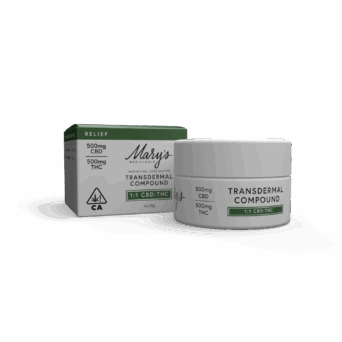
If you want to compare options side by side, you can start with our Transdermal & Topical Products collection and choose based on your preferences and routine.
Using accurate dosing in real life: a few habits that make patches feel more consistent
Even the best-made patch works better when your routine is consistent. Skin condition, placement, and timing all matter. The goal is not perfection. It is reducing variables so your dose has a fair shot at feeling the same each time.
- Apply where the skin is thinner: inner wrist, top of the foot, or behind the knee. If you want the most discreet placement, the top of the foot tends to be the easiest.
- Rotate left and right so you are not hitting the exact same spot every time.
- Keep timing steady for a week before you decide you “need more” or “need less.” Consistency gives you cleaner feedback.
- Track the basics: placement, start time, and how long you wore it. A quick note in your phone works.
FAQ: Accurate dosing, clinical-grade delivery, and lab testing
Why does accurate dosing feel harder with edibles?
Edibles go through digestion and first-pass metabolism. Food intake, gut motility, and individual biology can all change how much active cannabinoid reaches circulation and when, so the same milligrams can feel different day to day.
What makes a transdermal cannabis patch different from a topical patch?
A true transdermal patch is formulated for cannabinoids to move through the skin barrier and into the bloodstream for systemic effects. Topical-only products tend to stay in the skin and nearby tissues, which can be useful for targeted comfort but is not the same kind of whole-body delivery.
How long does a transdermal cannabis patch typically last?
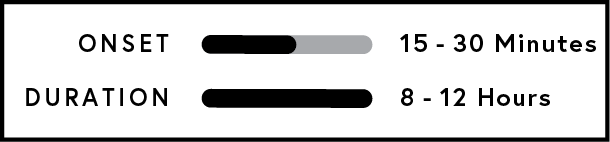
Many patches are designed for extended release over several hours. Your placement, skin condition, and personal sensitivity can affect onset and duration.
What should you check on a COA to support accurate dosing?
Match the batch or lot number to your product, confirm cannabinoid potency aligns with the label, and look for safety panels that screen for common contaminants. It also helps when the report is clearly dated and easy to access.
How can you tell whether “clinical-grade” is more than a buzzword?
Look for evidence you can verify: a delivery method designed for controlled release, clear product details, and batch-specific third-party lab documentation. If you cannot confirm those pieces, it is just marketing language.
Conclusion
Accurate dosing is not magic, and it is not just a milligram number printed on a box. It is a standard you can feel when the delivery is designed like a tool, the release is steady, and the lab work is there to back it up. That is the bar we build for, because you deserve cannabis wellness that fits into daily life with confidence, not guesswork.
If you want help picking a routine-friendly option or you want a second set of eyes on a COA before you buy, reach out through the Mary’s Medicinals Contact page and we will point you in the right direction.