Cannabis topicals sound simple until you’re standing in your bathroom squinting at a label that looks like it belongs on a lab beaker. If your skin is sensitive, reactive, or just picky, that ingredient list is not “extra info.” It’s your heads-up for how the product might feel the moment it hits your skin. At Mary’s Medicinals, we keep it straightforward on purpose, because your wellness routine should not come with surprises.
Cannabis topicals: local support vs transdermal delivery
Let’s clear up one of the biggest points of confusion right away. Most cannabis topicals, like a THC cream or CBD lotion, are made for local use. You apply them where you want support, and they’re generally meant to work in the skin, not travel through your whole system. That’s also why typical topicals are unlikely to feel intoxicating for most people.
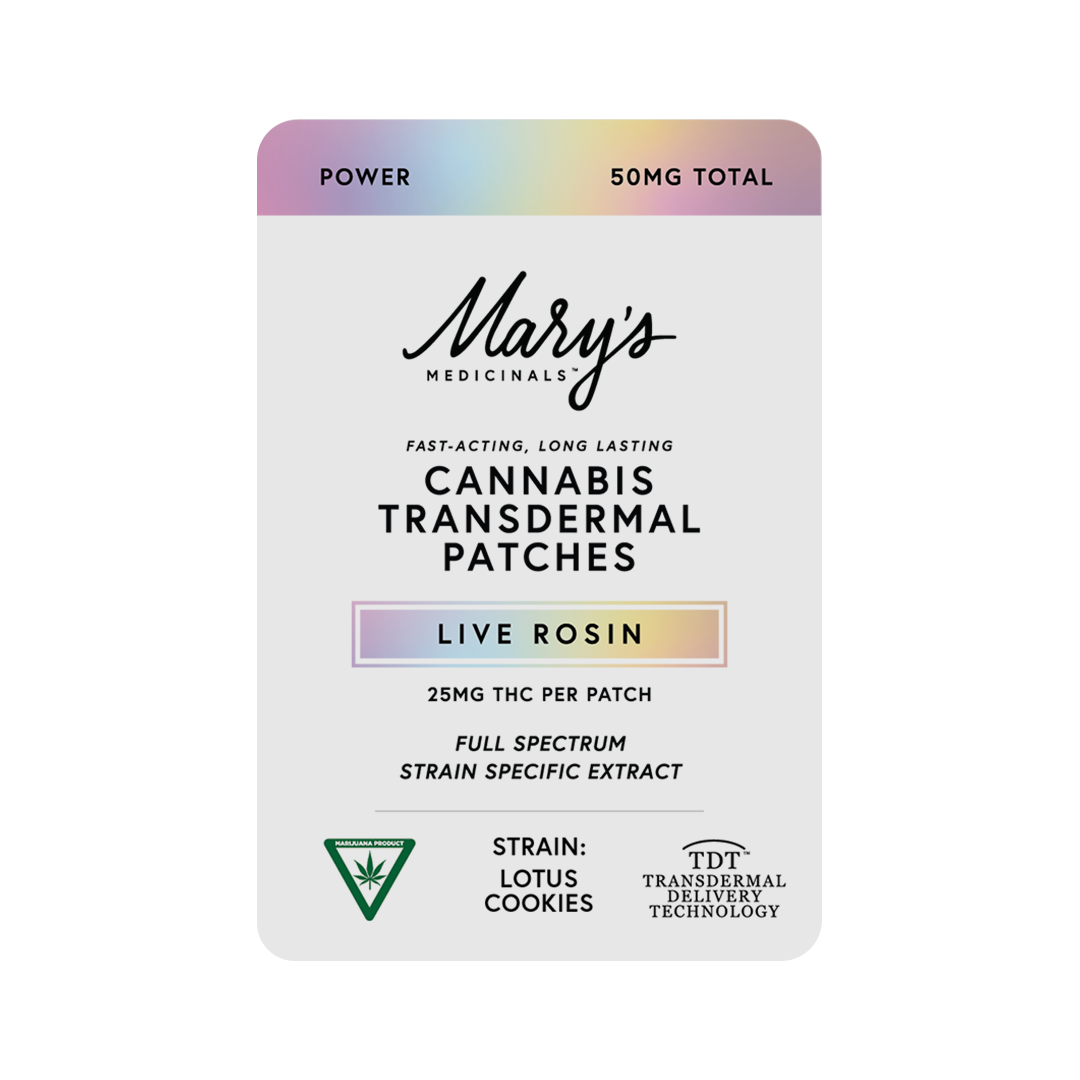
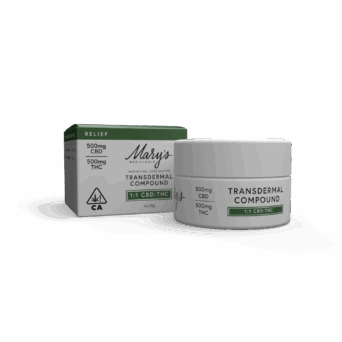
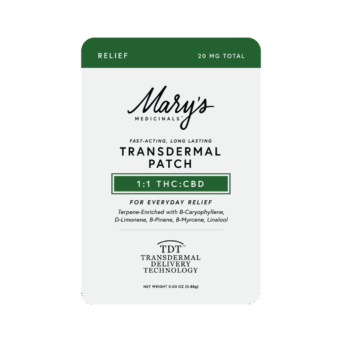
Transdermals are built differently. They’re designed to help cannabinoids move through the skin barrier and into the bloodstream, which is where delivery tech and bioavailability start to matter a lot. If you like to understand the “why” behind the formula, our Learn hub on cannabinoids and transdermal delivery walks you through how we think about dosing, delivery, and real-world use.
Cannabis topicals ingredient lists: five things to scan before you buy
Front labels love big numbers and bold claims. We’d rather you flip the package over and read what’s actually going on. A quick scan of the ingredient list tells you what touches your skin, what gives the product its feel, and what might set off irritation.
- Cannabinoid profile: THC-dominant, CBD-dominant, balanced ratios, or cannabinoids like CBN or CBG. This is your clue for how the product is intended to fit into a routine.
- Cooling or warming ingredients: Menthol and camphor can feel great, or feel like way too much, depending on you.
- Essential oils and botanicals: They can add a “spa” vibe, but fragrance-heavy formulas can be rough for reactive skin.
- “Fragrance” or “parfum”: One word that can hide a long list of aromatic ingredients. If you’re trying to avoid triggers, vague fragrance labels make that harder.
- Testing cues: Look for batch info and a scannable COA. You deserve to know what you’re putting on your body, not just what the front label promises.
Cannabis topicals and menthol: cooling comfort or a sensitivity tripwire?
Menthol is popular for a reason. It gives you quick, obvious feedback, that clean cooling sensation that can feel nice after a workout or after you’ve been on your feet all day. Menthol doesn’t actually “lower” your skin temperature, but it can make your skin feel cooler because of how it interacts with sensory receptors.
Here’s the tradeoff. Menthol is also a common “nope” ingredient for sensitive skin, especially if you use a lot, apply it too often, or put it on skin that’s already irritated. If you’re shopping and you know you react easily, it’s smart to check labels for known irritants.
If menthol has ever made you feel uncomfortably hot, itchy, or blotchy, trust that history. Go menthol-free and patch test first, even if a product sounds perfect on paper.
Cannabis topicals and essential oils: “natural” can still be a lot
Essential oils show up in topical formulas for scent and for that botanical, plant-forward feel. You’ll commonly see lavender, peppermint, eucalyptus, citrus oils, arnica, and more. Many cannabinoid topicals blend cannabis extracts with moisturizing oils and plant ingredients, which is one reason formulas can feel so different from brand to brand.
If your skin is reactive, though, essential oils can be the wildcard. Fragrant oils are a common sensitizer, especially if you deal with redness, eczema-prone patches, dermatitis, or rosacea flares. In plain terms, “natural” does not automatically mean gentle. When in doubt, choose a simpler formula with fewer fragrant ingredients and clearly listed botanicals.
Cannabis topicals you can trust start with lab tested cannabis
If you only take one habit from this post, make it this: stick with lab tested cannabis. Topicals are personal. You’re putting them on your skin, sometimes daily, sometimes on areas that are already stressed. A batch-specific COA from an independent lab is what turns “we promise” into “we can prove it.”
Testing expectations are not always consistent across every hemp or online CBD marketplace, which is why it’s worth being picky. Catalyst Cannabis reporting on topical products and regulation gaps highlights how uneven oversight can be outside regulated systems.
When you read a COA, you’re typically looking for potency confirmation and common safety screens, like pesticides, heavy metals, microbials, and solvents. If you want to get fluent in COAs, we broke it down step-by-step in Certificate of Analysis 101: Potency, Terpenes, Safety.
Cannabis topicals for sensitive skin: picking the right format (not just the right ingredients)
Two products can have similar cannabinoids and still feel totally different on your skin. Sometimes it comes down to the base. Sometimes it’s texture. Sometimes it’s how long you want it to stay put.
If you’re curious about exploring formats side-by-side, you can browse our Transdermal & Topical products collection. And if you’re using patches, we recommend placing them on the inner wrist, top of the foot, or behind the knee, where the skin is thinner. Rotate spots so your skin gets a break.
FAQ: Menthol, oils, and sensitive skin with cannabis topicals
Will cannabis topicals get you high?
Most traditional creams, lotions, and compounds are designed for localized use and are unlikely to feel intoxicating for most people. Transdermal products are made for systemic delivery, so they’re a different category with a different goal.
How do you patch test a THC cream or CBD lotion?
Put a small amount on a discreet spot like your inner forearm. Leave it alone for 24 hours and see how your skin responds before you apply it more broadly. Skip patch testing right after shaving or exfoliating, since your skin barrier can be extra reactive.
Is menthol bad for sensitive skin?
Not always. Some people love it. But menthol can trigger irritation for others, especially on already inflamed or compromised skin. If you’ve reacted before, choose menthol-free and patch test anything new.
Are essential oils safe in cannabis topicals?
They can be fine, but they’re common sensitizers. If you’re prone to flare-ups, look for lighter fragrance, clearly listed botanicals, and shorter ingredient lists.
What should you look for to confirm lab tested cannabis?
A batch-specific COA from an independent lab that matches the product you’re holding. If you can’t find current results, or the COA is vague, it’s okay to pause and pick something more transparent.
Conclusion
The best cannabis topicals are the ones that fit your skin and your routine without drama. Start with the ingredient list, be honest about what your skin hates, and treat menthol and essential oils like “optional,” not mandatory. Most of all, choose lab tested cannabis so you know what you’re working with. If you want a second set of eyes on a label or help narrowing down a format, reach out through our Mary’s Medicinals contact page and we’ll help you shop with confidence.