CBD patches vs THC patches is one of those choices that sounds bigger than it has to be, especially when you just want something discreet, steady, and easy to live with. A patch is often the “quiet” option in cannabis wellness. You put it on, go about your day, and check in with how you feel over time instead of riding a fast wave up and down.
In this guide, you’ll get a clear, human breakdown of how transdermal patches work, what feels different between CBD and THC, and a simple way to decide what to try first without overthinking it.
CBD patches vs THC patches: the real-world difference you’ll notice
Here’s the honest distinction: CBD patches are for support without intoxication, while THC patches include tetrahydrocannabinol, which can change how you think and feel in a more noticeable way. Both can be discreet and consistent because transdermal patches are designed to release cannabinoids gradually.
If you want the quick version:
- Start with CBD if you want to stay clear-headed, you’re new, or you simply do not want impairment.
- Start with THC if you already know you tolerate THC well, you’re comfortable with a high, and you can purchase legally where you live.
- Start with a 1:1 CBD:THC patch if you want a middle ground that many people find more balanced.
How transdermal patches work (and why they feel more steady)
It helps to separate three categories that get lumped together online: topicals, transdermals, and edibles. A cream or balm can feel great on the surface. A transdermal patch is formulated to move cannabinoids through the skin and into circulation for a more even, sustained experience.
One reason patches can feel smoother than edibles is that they bypass digestion. Edibles go through your stomach and liver first, which can make timing and intensity feel unpredictable. Transdermal delivery avoids that first-pass metabolic step, which is part of why some people describe patches as more consistent in daily life. You can read a straightforward overview of this idea in Verilife’s explainer on transdermal THC and CBD patches.
At Mary’s, transdermal isn’t a side project. We were the first company to bring transdermal cannabis products to market, and our patches are designed for clinical-grade delivery. Practically speaking, our technology is built to go 7 to 10 layers deep into the skin and into the bloodstream, which is why so many customers choose patches for accurate dosing and a routine that stays discreet.
CBD patches vs THC patches for beginners: what to try first
If you’re new, you do not need to “feel a lot” to learn a lot. Your best first step is the one you can use confidently, then repeat consistently.
- If you’re cautious or THC-sensitive, try a CBD-first approach.
- If you want to explore THC but keep it balanced, a 1:1 patch is often a comfortable introduction.
- If you already know THC agrees with you, a THC patch can be a fit, but plan your first test when you do not need to drive or make high-stakes decisions.
If you want to browse what’s available in one place, you can start on our Transdermal & Topical Products page and then narrow down by your comfort level.
CBD patches: a clear-headed option that still feels supportive
CBD patches, sometimes called cannabidiol patches, are popular for a simple reason: CBD is non-psychoactive. That matters if you want support you can wear through a workday, a flight, a long day on your feet, or a night when you just want to keep things calm.
In the Mary’s lineup, that typically points you toward Restore (CBD) Transdermal Patches for a steady, low-drama experience that fits into real life.
People often choose CBD-forward patches when they’re looking for a consistent way to support everyday comfort or a more settled feeling, without the mental shift that can come with THC. If you’re curious why transdermal formats are often used for longer, steadier effects, Get Canna Card has a helpful introduction to how cannabis-based transdermal patches deliver relief.
One grounding note: research on cannabinoid patches is promising, and it’s still developing. For example, PubMed Central includes a 2024 protocol describing the CanPatch trial, which explores a cannabis transdermal patch in a skin-related context and shows where clinical interest is heading. You can view the study protocol here: CanPatch trial protocol.
THC patches: what feels different, plus a few reality checks
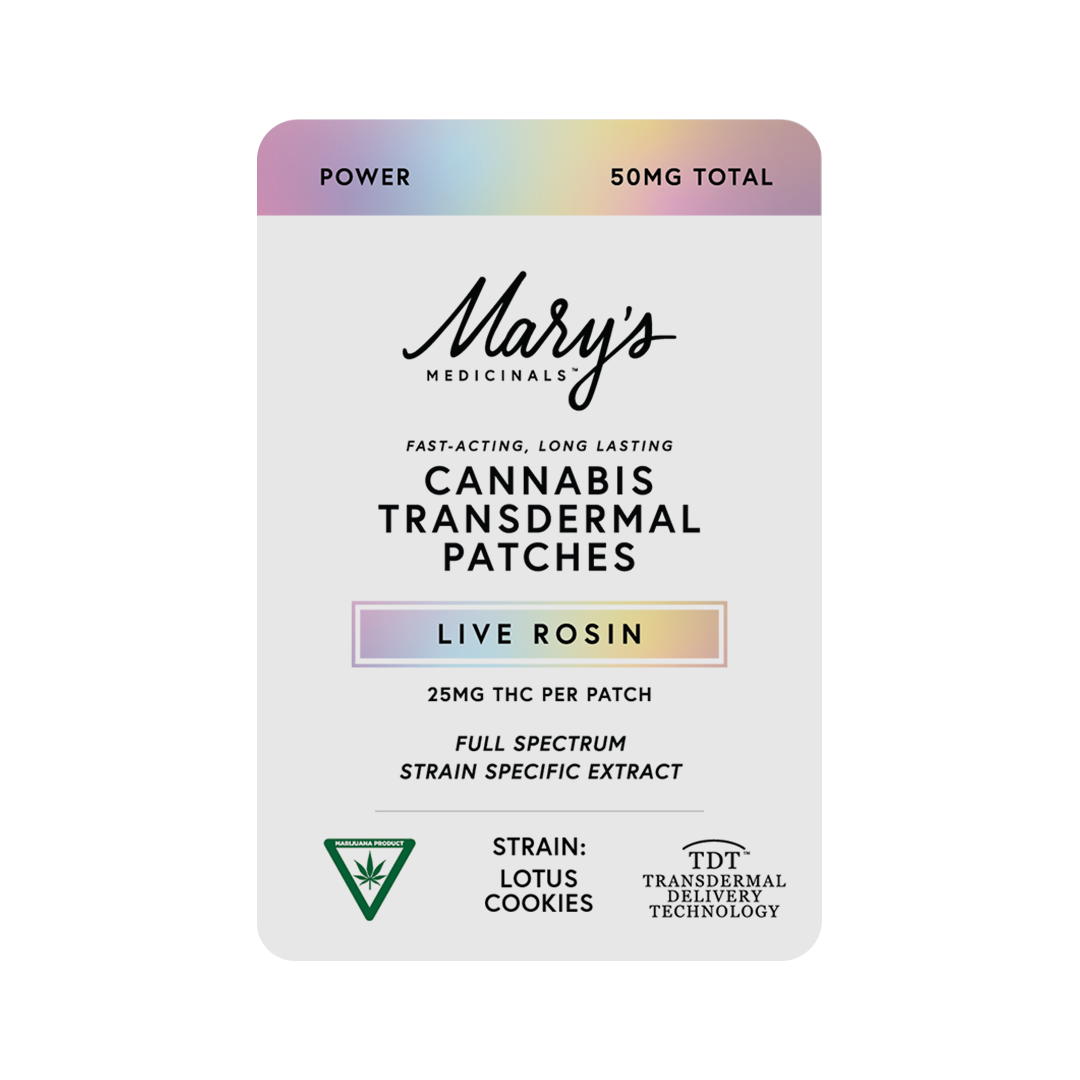
THC patches are usually better suited to people who already understand how THC affects them. The patch format can be appealing if you want a longer-lasting experience without smoking or vaping, and without the timing surprises that can come with edibles.
Still, a few practical points matter:
- You may feel high. Even with gradual delivery, THC can bring euphoria, impairment, or that “too much” feeling if you’re sensitive.
- Plan ahead. Try it when you can stay home, especially the first time.
- Drug tests are a factor. THC use can lead to a positive result.
- Legality varies. THC products are not federally legal in the U.S. and are typically available through regulated dispensaries where permitted.
If you want a deeper explanation of why some people describe THC patches as smoother than edibles, you can also read our guide Why THC Patches Feel Smoother Than Edibles: The Beginner’s Guide.
CBD patches vs THC patches in a 1:1 ratio: the “meet in the middle” option
If you like the idea of THC but want a more balanced feel, a 1:1 CBD:THC patch is often the best starting point. In everyday terms, you’re giving yourself a measured amount of each cannabinoid in a format that tends to feel steady.
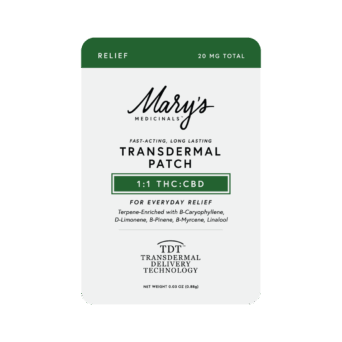
Our go-to option here is Relief (CBD:THC) Transdermal Patch. If you want to see the details, you can find it on the product page for Transdermal Patch – Relief 1:1 CBD:THC.
Two small tips that make a big difference when you’re experimenting:
- Choose a low-stakes day. Give yourself space to notice how you respond.
- Write down what you notice. Patch on time, placement, and how you feel at the 2, 4, and 8 hour marks is usually enough to spot patterns.
Placement tips that help your patch work the way it’s meant to
Where you put a patch can affect adhesion and how consistent it feels. You’re aiming for clean, dry, hair-free skin with good circulation. Many people have luck with venous areas like the inner wrist, inner ankle, or top of the foot.
If you want a step-by-step walkthrough, we mapped it out in How to Use a THC Patch: Placement, Timing & What to Expect. The placement basics apply whether your patch is CBD, THC, or a ratio.
- Wash and dry first. A quick rinse with mild soap and water helps.
- Skip lotion right before. Oils can make it slip.
- Press firmly. Hold for 10 to 20 seconds so the adhesive bonds well.
- Listen to your skin. If you get irritation, remove it and switch placement next time.
CBD patches vs THC patches: a simple decision guide
- Pick CBD patches if you want no high, you want the most beginner-friendly option, or you’re trying to avoid impairment.
- Pick a 1:1 patch if you want to test THC in a balanced way, or you want something that can work from daytime into evening.
- Pick THC patches if you’re experienced with THC, want stronger effects, and can buy through a licensed dispensary where legal.
FAQ: CBD patches vs THC patches
Do CBD patches get you high?
CBD is non-psychoactive, so CBD-only patches are not designed to create a high. Keep in mind that hemp-derived CBD products may contain trace THC within legal limits. If THC is a concern for you, read the label and look for third-party testing when it’s available.
Do THC patches feel like edibles?
They can feel different. Many people describe THC patches as steadier and less peaky because transdermal absorption bypasses digestion and releases gradually over time.
How long does a transdermal patch last?
Many patches are formulated for sustained release around the 8 to 12 hour range, and some can last longer depending on the formulation and your skin.
Where should you place a patch for best results?
Use clean, dry, hair-free areas with good circulation, like the inner wrist or inner ankle. Avoid broken, irritated, or freshly lotioned skin.
Will a THC patch show up on a drug test?
Yes. THC use can lead to a positive drug test result. CBD-only may be the safer choice if you’re subject to testing, though trace THC is still possible with some hemp-derived products.
Conclusion: start with the patch you can wear with confidence
Choosing between CBD patches vs THC patches comes down to two things: how you feel about psychoactivity and what kind of day you’re trying to have. If you want the most approachable entry point, start with CBD. If you want to explore THC with more balance, a 1:1 patch is often a smart first step. If THC is already familiar to you, a THC patch can be a steady alternative to smoking, vaping, or edibles.
If you want help dialing in your routine, talk with your local dispensary team where Mary’s is available, or keep exploring education and options on Mary’s Medicinals. You’ll learn your preferences faster than you think, especially with a format that’s built for measured, consistent delivery.