If you’ve found yourself comparing THC patches to edibles and wondering why THC patches often feel smoother, you’re certainly not alone. Many folks starting their wellness journey with cannabis seek out easy, reliable options – and time and again, you’ll hear that patches consistently offer a more predictable experience than their edible cousins. Let’s walk through why this is, especially as you weigh THC patches vs edibles for your own routine at Mary’s Medicinals.
THC Patches vs Edibles: How Your Body Processes Each Method
Here’s what sets the two apart: how your body absorbs and responds to the cannabinoids. When you use a THC patch, the active compounds are absorbed directly through your skin, making their way into your bloodstream without detouring through your digestive tract. Edibles, on the other hand, like chocolates or gummies, must first be chewed, swallowed, and fully digested before the THC can reach your system. This process not only takes longer but can also create less predictable effects.
I like to compare it to brewing a cup of coffee slowly, drip by drip, versus knocking back a strong espresso all at once. With a patch, the experience is steady and gradual, while an edible sometimes lands all at once after your body’s had its say – a bit of a surprise party for your system. That slow-and-steady approach is what makes patches shine for people who prefer reliability and calm over rollercoaster rides. For a more detailed breakdown, take a look at this explanation of how the two methods compare.
What Makes THC Patches Smoother and More Predictable?
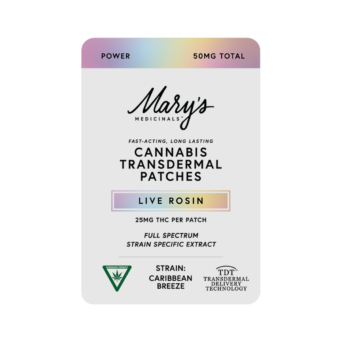
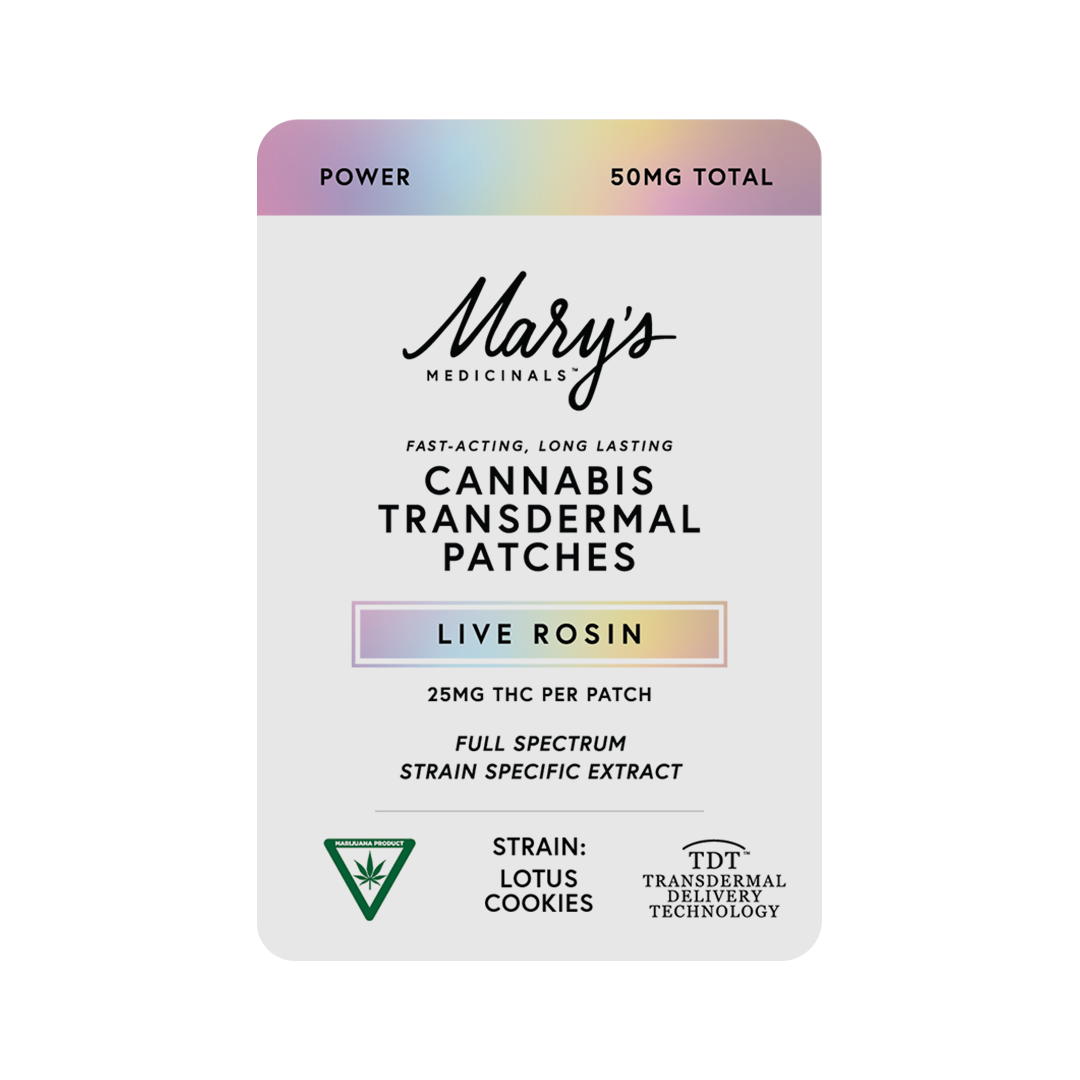
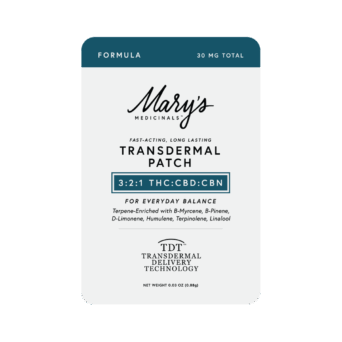
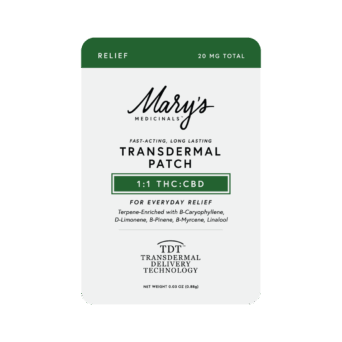
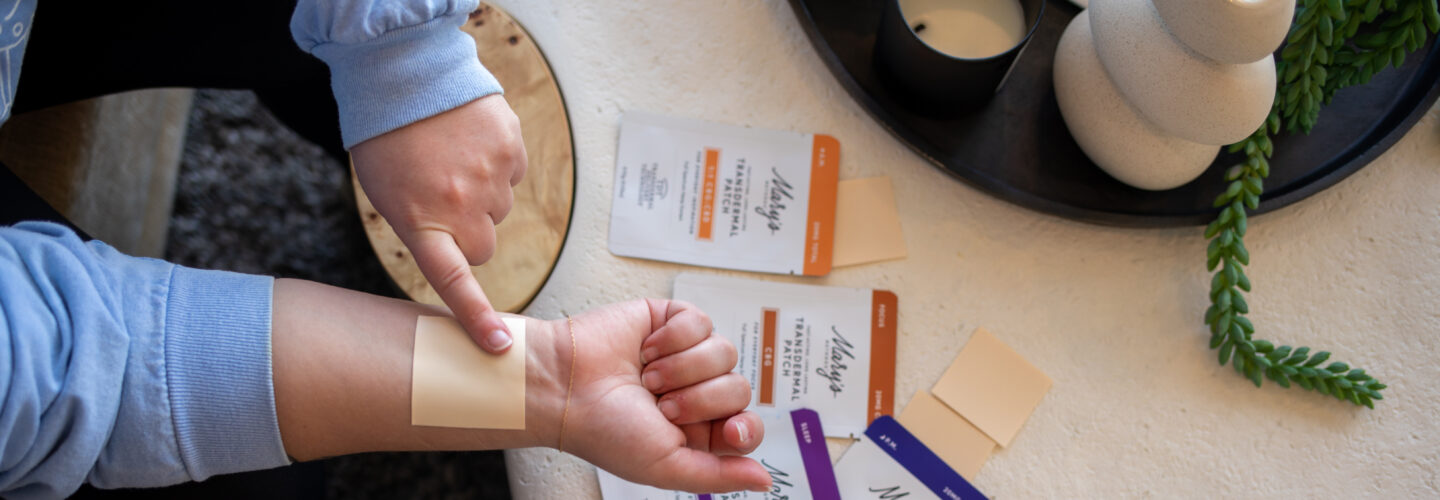
The real magic in THC patches is consistency. Instead of riding the peaks and valleys that sometimes come from edibles, transdermal patches like Mary’s Relief (CBD:THC) Transdermal Patch or Energy (THC Sativa) Transdermal Patch release a carefully measured dose, one bit at a time, for 8 to 12 hours. That means you skip the unpredictability and experience a gentle, manageable touch. Bioavailability – how well the product gets where it needs to go – is front and center; Mary’s patches are made for high absorption, so your experience is as intended.
- Skips the first-pass effect: Since patches bypass your digestive system, you avoid the wild swings that come from THC turning into stronger byproducts in your liver. Edibles convert THC into 11-hydroxy-THC, which can hit with unexpected strength – sometimes a bit much if you’re just starting out. More info about this can be found in this in-depth article.
- Even, continuous release: The steady delivery means things never get too intense too quickly.
- Stable levels in your body: You know what you’re getting; the sensations are smoother and more manageable from start to finish. For the science-minded among us, this guide explains it well.
The Chemistry Behind Edibles: Why They Feel So Potent
When you eat an edible, your body’s digestive process turns THC into a different chemical, 11-hydroxy-THC, which can move into your brain quicker and sometimes in stronger ways. That’s one big reason edibles may “creep up” on you – one moment you feel nothing, then, suddenly, it all hits. It’s easy to see how this could catch first-timers off guard. With transdermal THC patches, your body absorbs cannabinoids at a gentle, steady rate, avoiding surprises entirely.
Comparing The Timeline: How Long Until You Feel Effects?
This is a big one. Edibles generally take between 30 minutes and two hours to start working, since they rely on your digestive system – which, as anyone who’s ever waited for dinner to settle knows, can be unpredictable. Once they do start, the experience may last 4 to 8 hours, but sometimes the strength and duration can feel all over the map. With THC patches, you’ll notice a gradual easing in as soon as the cannabinoids hit your bloodstream, with steady relief lasting 8 to 12 hours straight. If you want to learn more, this overview gives more insight on how patches work.
What Beginners Really Say About THC Patches
We’ve heard plenty from people new to cannabis – many say they appreciate how patches offer relief without a strong high or those “surprise” moments that edibles can sometimes bring. The experience stays consistent, so you remain in the driver’s seat, able to go about your day comfortably. The effects also tend to taper away gently, not drop off suddenly. For more firsthand stories, check out the conversations happening in the community.
What to Know Before Using THC Patches
Most people find THC patches to be smooth sailing, but individual results can depend on skin type, hydration, or how the patch formula works for you. Choosing premium, research-driven products – such as the ones from Mary’s Medicinals – really makes a difference. Curious about how transdermal patches stack up against traditional topicals? Dive into our guide on the real difference between transdermal and topical cannabis.
FAQs: THC Patches vs Edibles
- Are THC patches better for beginners?
Absolutely. Accurate dosing and more even effects make them a top choice when you’re seeking a smooth start. - How long do THC patches last compared to edibles?
A quality patch usually works for 8-12 hours, while edibles might last 4-8, with more variation in intensity. - Will a patch create the same intensity as an edible?
Not really. Patches are crafted to provide a gentler, controlled experience rather than a quick spike. - Can you use both methods at the same time?
Start with one approach to see what fits your needs, and always talk with a cannabis consultant before mixing products.
Conclusion: Making The Choice That’s Right For You
THC patches feel smoother than edibles because of their steady, clinically-backed delivery and high bioavailability. They’re designed for accurate dosing and dependable support – perfect for wellness-minded beginners ready to explore what cannabinoids like THC, CBD, and CBG can do. If you’re interested in finding out how these products could fit into your routine, browse our Transdermal & Topical Products to see Mary’s Medicinals’ latest innovations. Got questions? Join the conversation below or check out our Learn page for more science and stories from the cannabis community.