THC vs CBD – it’s a conversation you’ve probably encountered if you’re curious about the world of cannabinoids or on your own wellness journey. These two names pop up everywhere, from product labels to wellness blogs, fueling plenty of questions – especially considering they come from the same plant but can lead to very distinct experiences. If you’ve ever stood in front of a shelf wondering about the difference, you’re in the right place.
THC vs CBD: At the Heart of Two Molecules
THC (delta-9-tetrahydrocannabinol) and CBD (cannabidiol) both belong to the cannabinoid family – compounds native to the cannabis plant. At first glance, their chemical structures look nearly alike. But as science keeps showing us, subtle molecular differences can make a big difference in how these cannabinoids interact with your body’s endocannabinoid system, the internal network responsible for helping you stay balanced.
THC: How Does It Work in the Body?
What sets THC apart? This molecule is well-known for changing perception and creating that classic cannabis “high.” When you use a THC product, it binds directly to a type of receptor in your brain called CB1. The results may include lifted spirits, a heightened sense of taste, or a little more ease throughout your day. According to information from the American Cancer Society, you might also notice an uptick in appetite or some support with comfort and relaxation. Think of THC as flipping a switch that leads to clear, noticeable changes.
CBD: The Gentle Modulator
CBD, short for cannabidiol, takes a quieter approach. Instead of latching onto CB1 receptors, CBD tends to support them from the sidelines, quietly helping your body maintain its own natural flow. You won’t experience a traditional high when you use CBD – rather, you could notice a smoother sense of calm or less tension in moments that feel challenging.
Direct vs Indirect: The Key Differences in Effect
- THC binds directly and powerfully to CB1 receptors, leading to obvious shifts in perception, comfort, and appetite. Think of it as a direct response.
- CBD interacts more indirectly. It gently encourages your body’s own endocannabinoid production and subtly guides receptor activity – like adjusting a dimmer rather than flipping a light on or off.
CBD’s Impact on THC: More Than Just a Sidekick
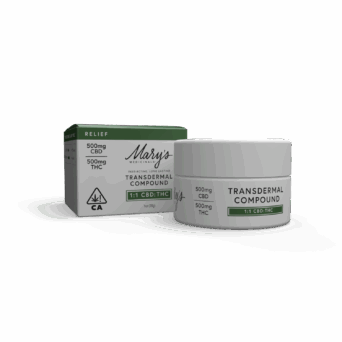
It’s not unusual to find products that feature both THC and CBD, and for good reason. CBD may actually soften the strong effects of THC. For anyone who has felt a bit more than they bargained for with THC, a balance that includes CBD – like what you’ll find in Mary’s Medicinals’ Relief (CBD:THC) Remedy oils – might create a more even, manageable experience.
Wellness Applications: Matching Cannabinoid to Your Needs
- THC: Often chosen for those looking to support comfort, increase appetite, or seek a lift in mood.
- CBD: Goes hand-in-hand with stress relief, support for balance, or those moments when you want comfort without the high.
CBD’s calming qualities make it a favorite among those wanting to support daily balance. You can also visit the Learn page at Mary’s Medicinals for more on cannabinoids and how they fit into today’s wellness landscape.
The Legal Landscape and Everyday Considerations
One of the most practical differences comes down to legality. Hemp-derived CBD (products with less than 0.3% THC), including those available from Mary’s Nutritionals, is federally legal in the United States. These won’t deliver a high but may include traces of THC that could appear on very sensitive drug tests. In contrast, THC-dominant products are governed by state regulations because of their mind-altering effects.
How You Take It Matters: Bioavailability and Product Delivery
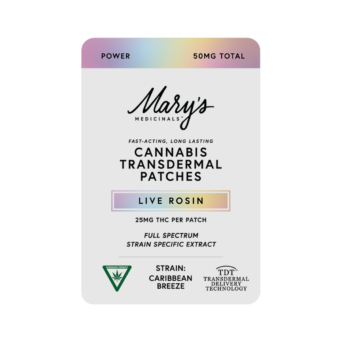
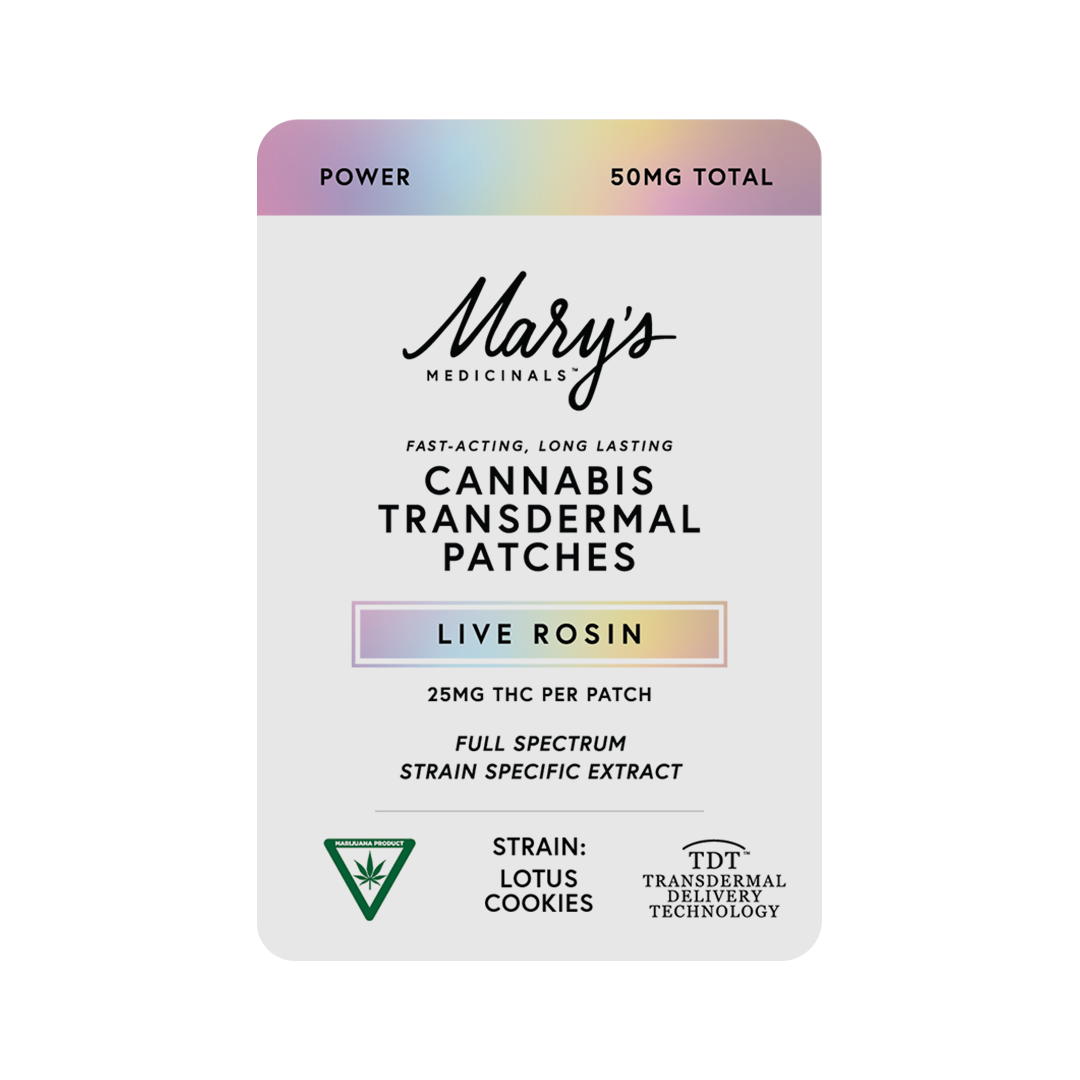
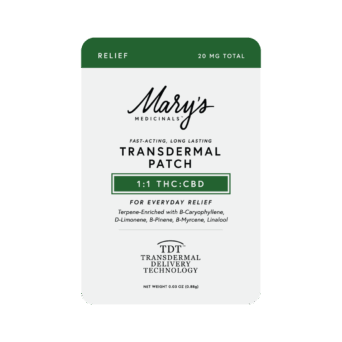
The way your body processes THC or CBD depends a lot on how you use it. At Mary’s Medicinals, we led the way with products like transdermal patches, letting you experience cannabinoids in a discreet, convenient way. Our focus on bioavailability means more of each compound reaches your system, delivering comfort you can rely on – whether you prefer a patch on your arm or a few drops from a Remedy oil. You’ll also find terpenes in Transdermal Patches and Remedy products, giving each delivery a signature aroma or flavor that enhances the overall experience.
FAQ: THC vs CBD – Your Top Questions Answered
- Can CBD cause a high like THC?
CBD doesn’t deliver the classic high. Instead, it supports a more subtle type of balance and calm. - How do I decide between THC and CBD?
Consider your goals. For mood-lifting, comfort, or appetite, THC might make sense. For clear-headed calm or winding down after a workout, CBD is often a great choice. Browse the Shop All to explore every option. - Are combinations of both THC and CBD more effective?
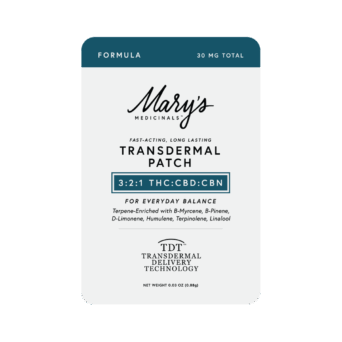
It depends on your personal needs. Many find that formulas blending cannabinoids – like Mary’s Formula (THC:CBD:CBN) or Relief (CBD:THC) – offer a comfortable balance. Try out different combinations and track your response. - Will THC and CBD work the same for everyone?
Not always. Your genetics, previous experience, and even how you consume your products can influence your results. A good rule of thumb: start with a low dose, see how you feel, and adjust as needed.
In Summary: Light Switch or Dimmer – You Decide
As you look at THC vs CBD, picture it like choosing between flipping on a bright light (THC) or dialing up a gentle dimmer (CBD). Both have their place in the wellness space, and your personal needs and preferences help guide the right fit. If you’re interested in how these molecules show up in Mary’s Medicinals’ innovative products, check out our blog archive for stories, or head over to the About page for more on our mission.