THC patches are often called “water-resistant,” and if you’re new to them it’s easy to hear that as “no worries, live your life.” Real life is a little messier. Water-resistant usually means the patch adhesive can handle everyday splashes and a normal shower, not that it’s built for long soaks, heavy sweating, or high heat.
If you’ve ever checked your patch after a workout, noticed an edge curling, or wondered why a hot shower seemed to change the vibe, you’re not overthinking it. Below, you’ll get a clear, practical read on what the labels do and do not promise, what can affect absorption even when the patch looks fine, and how to keep your routine consistent.
THC patches basics: how transdermal delivery is different
With a typical topical, most of the ingredients stay in the upper layers of your skin. THC patches are different because they’re designed for transdermal delivery, meaning cannabinoids travel through the skin barrier and into your bloodstream. That “through the skin” route is a big reason people describe patches as steadier and more discreet than formats that peak fast.
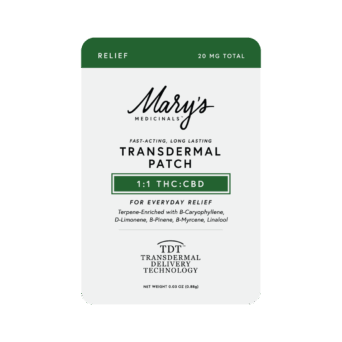
Mary’s Medicinals was the first company to bring transdermal cannabis products to market, and our patches are built to go 7 to 10 layers deep into the skin, all the way into systemic circulation. If you want a deeper primer before you fine-tune your routine, read THC Patches 101: How Cannabis Transdermal Patches Work.
Most transdermal patches you’ll see fall into a couple common designs. Some have active ingredients blended into the adhesive, and others use a separate layer that releases ingredients over time. Either way, the patch needs reliable contact with your skin. Moisture, friction, and heat matter because they can interfere with that contact.
What “water-resistant” THC patches really means in your day
In everyday terms, water-resistant THC patches are meant to stay put through light, short exposure to water. Think a quick shower, washing your hands, rinsing dishes, or getting caught in a bit of rain. It’s not the same as waterproof, and it’s not a guarantee for long submersion.
Here’s the part that trips people up: timing and prep matter as much as the label. If you apply the patch on slightly damp skin, or over lotion, body oil, or sunscreen, the adhesive is fighting from the start. You’ll usually get a cleaner stick if you apply on dry skin and give it a moment to bond before you get wet. March and Ash has a solid overview of patch prep and placement that backs this up in their guide on how cannabis patches are used.
“Sweat-resistant” THC patches: where things get tricky
Sweat is not just water. It’s water plus salt, plus movement, plus friction from clothing. So “sweat-resistant” has limits, even with a well-made patch.
If you’re doing light yoga or taking a walk, you’ll probably be fine. If you’re doing a long run, lifting heavy, working outdoors in humidity, or wearing tight waistbands, you’re more likely to see edges start to lift. Sometimes the patch still looks okay from the outside, but tiny areas underneath lose full contact. That can make the experience feel less steady.
Heat, showers, and THC patches: can absorption change?
Yes, it can. Adhesion is one piece, but heat can affect absorption too. When your skin warms up, blood flow near the surface can increase, which may change how quickly cannabinoids move across the skin. That doesn’t automatically mean “stronger,” but it can mean “different,” especially if the heat is prolonged.
If you want your patch to feel consistent, treat high heat like a variable you control. A quick warm shower is usually okay. Long, hot showers, saunas, steam rooms, or hot tubs can be a different story. Leaf411 also notes real-world factors like heat can influence transdermal use in their explainer on transdermal cannabis patches and gels.
Where to place THC patches when you expect sweat
Placement is your easiest upgrade, especially if you’re active. Choose a spot that is:
- Low friction, so it is not constantly rubbing on seams or gear
- Low movement, so it is not folding every time you bend
- Not overly hairy, since hair can reduce adhesion and make removal annoying
Many people like the upper arm or inner wrist, since those areas tend to avoid waistbands and high-sweat hotspots. If you want a Mary’s-specific walkthrough, use How to Use a THC Patch: Placement, Timing & What to Expect to dial in placement and timing around your day.
How to keep water-resistant THC patches on (without fussing all day)
If patches fail, it’s usually from small stuff that adds up. Here’s what tends to help the most, especially when showers or sweat are on the calendar:
- Start with truly clean, dry skin. Wash and dry the area, then skip lotion, body oil, sunscreen, or fresh deodorant where the patch will sit.
- Warm it in with your hand. Press firmly for 20 to 30 seconds so the adhesive bonds evenly.
- Give it a head start. If you know you’ll sweat soon, apply earlier so it can fully set before moisture shows up.
- Avoid tight elastic over the patch. Waistbands and compression fabric can catch an edge and slowly peel it up.
- If an edge lifts, don’t keep peeling it back and re-sticking. Dry your skin, press the edge down, and reduce rubbing from clothing if you can.
If you’re comparing options for different routines, you can browse Mary’s lineup on our Transdermal & Topical Products page and choose what fits your day best.
When you should keep THC patches away from water
Even if your patch is labeled water-resistant, there are a few situations where it’s smart to treat it like it needs a little protection. If your goal is predictable wear and consistent delivery, avoid:
- Swimming and long submersion, including pools, oceans, and baths
- Hot tubs and saunas, where prolonged heat and moisture can change both adhesion and absorption
- Steam rooms or very hot, extended showers
- High-friction water activities that rub at the patch
Those are the conditions where moisture has time to work under the edges, and heat can add another variable. If you want fewer surprises, this is the zone to avoid.
FAQ: water-resistant and sweat-resistant THC patches
Can you shower with THC patches?
Usually, yes. A water-resistant patch can typically handle a normal shower. Keep the water warm rather than very hot, avoid scrubbing over the patch, and pat the area dry afterward instead of rubbing.
Can you swim with transdermal patches?
Swimming is generally not recommended. Long submersion can loosen adhesive and reduce consistent skin contact, even if the patch looks like it is still on.
Do sweat-resistant THC patches work for workouts?
Often, yes for light to moderate workouts. For long, high-sweat sessions or humid outdoor training, you’re more likely to see edge lift. Skin prep and placement usually matter more than the wording on the package.
If my THC patch stays on, does that mean absorption is unchanged?
Not always. A patch can look fine while small sections underneath lose firm contact. Heat can also change absorption speed. If you notice the experience feels less steady after heavy sweating or high heat, that’s a clue something shifted.
What’s the easiest way to improve consistency with THC patches?
Apply on clean, dry skin, press and hold to set the adhesive, and choose a low-friction area. For a step-by-step routine, follow How to Use a THC Patch: Placement, Timing & What to Expect.
Conclusion: “water-resistant” helps, but you still have to use it smart
Water-resistant and sweat-resistant labels on THC patches are meant for normal life, not extreme conditions. Quick showers, everyday sweat, and a little weather are usually fine. Long soaks, heavy perspiration, and prolonged heat are where adhesion and absorption can start to drift.
If you want the smoothest experience, keep it simple: prep clean, dry skin, pick a calm placement spot, press it in well, and steer clear of long hot water and high heat when you can. And if you’re refining your patch routine, exploring Mary’s educational resources and formats can help you find the most predictable fit for how you actually move through the day.