What new research reveals about cannabis, everyday well-being, and taking a more informed approach to healthy aging.
Getting older brings new perspectives, new experiences, and sometimes new challenges when it comes to feeling like yourself. Whether it’s difficulty getting comfortable at night, changes in mobility, or the everyday aches that come with an active life, the way we care for ourselves often evolves as we age.
For a growing number of older adults, that evolution includes exploring cannabis.
A study published on May 8, 2026, in JAMA Network Open offers insight into why adults aged 60 and older are considering cannabis, what they hope to gain from it, and how they make decisions about different cannabis products. Rather than focusing solely on the effects of individual cannabinoids, the research explores something equally important: the people behind those decisions.
At Mary’s Medicinals, we believe that wellness should begin with understanding. The more we learn about the science behind cannabis and the experiences of the people exploring it, the better equipped we are to make thoughtful decisions about our own well-being.
Here’s what this research tells us, what questions remain, and what it could mean for your wellness journey.
What Did the Study Explore?
The study, titled Edible Cannabis and Pain, Sleep, and Mental Health Management in Older Adults, was conducted by researchers affiliated with the University of Utah and the University of Colorado Boulder, with support from the National Institute on Aging, part of the National Institutes of Health.
Researchers interviewed 169 Colorado adults aged 60 and older between November 2021 and November 2023. The average participant was approximately 71 years old. All participants were interested in exploring edible cannabis for concerns related to pain, sleep, or mental well-being.
The researchers wanted to understand why these individuals were interested in cannabis, what they expected from different products, and how they weighed the potential benefits against their concerns.
Importantly, this was a qualitative study. That means the researchers examined people’s experiences, motivations, and perspectives through interviews, rather than measuring whether cannabis successfully treated a particular condition.
The interviews took place before participants purchased their selected products. This distinction matters: the study helps us understand what older adults are looking for, but it does not establish whether the products they selected delivered the results they hoped for.
Why Are Older Adults Exploring Cannabis?
For many people, wellness is not about making dramatic changes. It’s about finding ways to feel more comfortable in their bodies, stay connected to the activities they enjoy, and maintain a sense of independence.
The research identified several recurring reasons older adults were considering cannabis.
1. Looking for Additional Wellness Options
Some participants were interested in cannabis because they had concerns about the medications they were already taking or had previously tried. Others wanted to explore an approach that felt more compatible with their personal wellness preferences.
These perspectives highlight a desire for greater involvement in decisions about personal health.
However, interest in cannabis as an alternative does not mean that cannabis is inherently safer or more effective than conventional medicine. The study examined participants’ beliefs and motivations, not comparative treatment outcomes.
Cannabis can have side effects and interact with medications. Any decision to introduce cannabis into an existing healthcare routine should be made with a qualified healthcare professional.
2. Continuing the Search for What Works
Finding an approach to wellness that fits your needs can take time. Some study participants had already explored multiple options and remained interested in finding additional ways to address their concerns.
That experience may feel familiar to anyone who has spent years navigating changes in sleep, physical comfort, or emotional well-being.
One of the most meaningful takeaways is that people often arrive at cannabis after a long and personal wellness journey. They bring their own experiences, expectations, and questions.
There is no single approach that works for everyone. What matters is having access to reliable information, understanding the available options, and feeling supported as you make decisions about your care.
3. Adapting to Changing Needs
Our bodies and routines change throughout our lives. The activities that once felt effortless may require more consideration, and the habits that supported our well-being at one stage may need to evolve at another.
Participants in the study described an interest in cannabis as they encountered new or changing wellness concerns.
This reflects an important principle: wellness is not static.
Healthy aging can involve learning what your body needs today, rather than expecting the same approach to work indefinitely. It can also mean recognizing when a new or persistent symptom deserves professional medical attention.
4. Learning From the Experiences of Others
Personal stories can have a powerful influence on how we think about wellness. Some participants became curious about cannabis after hearing about it from friends, family, educational presentations, or the media.
These conversations can make an unfamiliar subject feel more approachable, especially for people who grew up during a time when cannabis carried significant stigma.
But personal experiences and scientific evidence are not the same thing. What works well for one person may not be appropriate for another.
Being curious is a valuable starting point. The next step is turning that curiosity into informed understanding.
What Are Older Adults Hoping to Address With Cannabis?
Among the concerns examined in the study, sleep and physical discomfort were especially common.
Approximately 57% of participants identified sleep as a reason for their interest in cannabis, 50% identified pain, and 25% identified mental health concerns. Participants could identify more than one concern, so these percentages overlap.
These findings help explain why conversations about cannabis increasingly extend beyond recreational use. Many older adults are interested in how cannabis might fit into the practical realities of everyday life.
Relief: Staying Connected to the Life You Enjoy
Physical discomfort can influence everything from how much time we spend outdoors to whether we feel up for a family gathering or a favorite hobby.
For some older adults, exploring cannabis begins with questions about everyday comfort and mobility.
While this study did not demonstrate that cannabis reduces pain, it highlights why pain-related research continues to be important. People want to understand their options and make decisions that support the lives they want to lead.
Sleep: Making Rest a Priority
Rest is an essential part of overall well-being. Changes in sleep patterns can affect how we experience the rest of our day, from our energy levels to our ability to stay focused and engaged.
The study’s emphasis on sleep reflects a growing curiosity about the relationship between cannabinoids and rest.
Researchers continue to investigate how cannabis may influence sleep, including how individual cannabinoids, amounts, and methods of consumption affect the experience. These questions are particularly important because a product that makes someone feel sleepy is not necessarily improving their overall sleep quality.
Balance: Supporting a More Holistic View of Wellness
Some participants also expressed interest in cannabis in relation to their mental and emotional well-being.
Physical comfort, rest, mood, and daily routines often influence one another. When one part of our well-being feels out of balance, it can affect other parts of our lives.
Cannabis is not a substitute for mental healthcare, and THC can worsen anxiety or other symptoms in some individuals. However, understanding why people are interested in cannabis helps researchers and healthcare professionals have more meaningful conversations about whole-person wellness.
Understanding THC and CBD: What Older Adults Preferred
One of the most interesting aspects of the study was the opportunity to explore how older adults viewed different cannabinoid profiles.
Cannabinoids are naturally occurring compounds found in the cannabis plant. Two of the most widely studied are tetrahydrocannabinol (THC) and cannabidiol (CBD).
THC is the cannabinoid most commonly associated with the intoxicating effects of cannabis. Its effects depend on factors including the amount consumed, the delivery method, and an individual’s sensitivity.
CBD does not produce the characteristic high associated with THC. However, it is still a biologically active compound, meaning it can affect the body, produce side effects, and interact with medications.
Researchers explored preferences among three types of edible cannabis products:
-
THC- and CBD-combination products: 57.5% selected this option.
-
CBD-dominant products: 28.7% selected this option.
-
THC-dominant products: 13.8% selected this option.
The percentages reflect the 167 participants for whom product selection was recorded.
The preference for combination products suggests that many participants were curious about how multiple cannabinoids might complement one another.
However, the most popular product in a study is not necessarily the most effective product. These preferences tell us what participants were interested in exploring, not which cannabinoid profile produced superior health outcomes.
Why Cannabinoid Ratios Matter
As cannabis research evolves, scientists continue to investigate how cannabinoids behave individually and in combination.
A cannabinoid ratio describes the relative amounts of different cannabinoids within a product. For example, a 1:1 THC-to-CBD ratio contains equal amounts of the two cannabinoids.
But a ratio is only part of the picture.
A product with 2 milligrams of THC and 2 milligrams of CBD has the same ratio as a product with 10 milligrams of each. The actual amounts are different, and the experiences may be different as well.
Understanding both the ratio and the amount of each cannabinoid is essential to understanding a formulation.
The study revealed uncertainty among participants about choosing appropriate THC and CBD combinations. This points to an opportunity for clearer product information and more accessible education.
At Mary’s, we believe consumers deserve to understand what’s in a product, why it was formulated that way, and how its delivery method shapes the experience.
It shouldn’t take a science degree to make an informed wellness decision.
Beyond the High: Why Feeling in Control Matters
For many consumers, one of the biggest questions about cannabis is how it will affect their ability to go about their day.
Study participants raised concerns about intoxication and impairment when considering THC-containing products. Their perspectives suggest that the experience itself matters just as much as the reason someone is exploring cannabis.
This is an important consideration for people who want to maintain their independence, stay active, and feel comfortable with their choices.
The experience of cannabis can vary considerably. THC may affect coordination, alertness, memory, and reaction time. Older adults may also be more vulnerable to unwanted effects, including dizziness and falls.
CBD does not produce a THC-like high, but combining CBD with THC does not guarantee an absence of impairment.
Clear labeling, thoughtful education, and realistic expectations are essential. Consumers deserve to understand potential effects before making decisions, not after.
Delivery Matters: Understanding How Cannabis Fits Into Your Routine
While this study focused specifically on edibles, cannabis is available in several forms, each with its own characteristics.
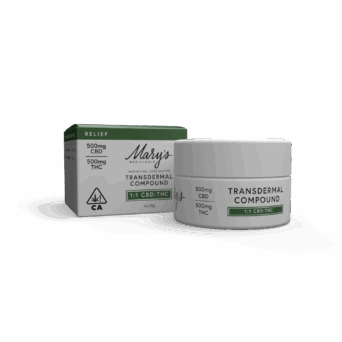
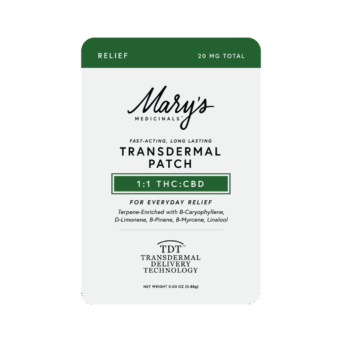
An edible is consumed orally and processed through the digestive system. A tincture is a liquid formulation that may be taken orally or used under the tongue, depending on the product. Topical products are applied to the skin, while transdermal formulations are designed to deliver ingredients through the skin.
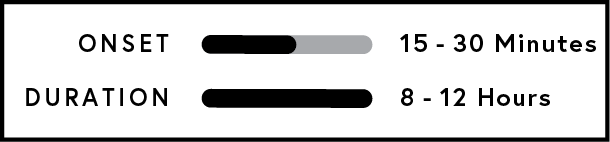
These differences matter because the method of delivery can influence when effects begin, how long they last, and how cannabinoids are absorbed.
Edibles, for example, can take longer to produce noticeable effects than someone might expect. Taking additional servings too soon can increase the likelihood of unwanted effects.
At Mary’s Medicinals, delivery science has been central to our approach since 2013. We believe that how a product is formulated and delivered deserves just as much attention as the ingredients themselves.
The research discussed here did not compare edibles with patches, tinctures, topicals, or other delivery methods. Its findings should not be interpreted as evidence that one format is better than another.
Instead, it reinforces the importance of understanding the options available and asking how each might fit into an individual’s needs, preferences, and healthcare considerations.
What This Research Cannot Tell Us Yet
Scientific progress often begins with asking better questions.
This study provides valuable insight into the experiences and decision-making of older adults, but its findings have important boundaries.
The study cannot establish whether cannabis improves sleep, reduces pain, or supports mental health. It also cannot establish whether cannabis is safer than prescription medications, identify an ideal cannabinoid dose, or determine which THC-to-CBD ratio works best.
Participants were recruited from a limited geographic area and were already interested in edible cannabis. Their perspectives may not represent those of all older adults.
These limitations do not diminish the value of the research. They help us understand what additional research is needed and why thoughtful interpretation matters.
What Does This Mean for Your Wellness Journey?
Whether you are new to cannabis, returning to it after many years, or helping a loved one explore their options, this research offers a meaningful starting point.
A few questions can help guide a conversation with a healthcare professional:
-
What am I hoping to address, and how is it affecting my everyday life?
-
Could cannabis interact with my current medications or supplements?
-
Are there health conditions or other risk factors I should consider?
-
What should I understand about THC, CBD, and different delivery methods?
-
How would I recognize unwanted effects, and what should I do if they occur?
It is especially important to discuss cannabis with your healthcare provider if you take medications such as blood thinners, prescription sleep aids, opioids, or other medicines that may interact with cannabinoids.
Do not stop or change prescribed medications without consulting your healthcare provider. And remember that cannabis is not a one-size-fits-all solution.
The goal is not simply to find a product. It’s to better understand your choices and make decisions that reflect your personal needs, values, and circumstances.
Looking Ahead: The Future of Cannabis and Healthy Aging
As research into cannabis continues, studies like this one help bring the experiences of real people into the scientific conversation.
They remind us that the questions consumers ask are important. They also reinforce the need for more research, better education, and open conversations between individuals and their healthcare providers.
At Mary’s Medicinals, we believe science and compassion belong together. We are committed to making cannabis and cannabinoid education more approachable, helping consumers understand the possibilities while remaining transparent about what we are still learning.
Because wellness isn’t about following someone else’s path. It’s about having the knowledge and confidence to make informed choices about your own.
Your best self, on your terms.
Explore the Research
Delaney RK, Watt MH, Stanger M, et al. Edible Cannabis and Pain, Sleep, and Mental Health Management in Older Adults. JAMA Network Open. 2026;9(5). Published May 8, 2026.
Read the original study: https://doi.org/10.1001/jamanetworkopen.2026.11718
Additional Educational Resources
National Institutes of Health — Cannabis and Health: https://health.nih.gov/substance-use-drugs/cannabis
Centers for Disease Control and Prevention — Cannabis Frequently Asked Questions: https://www.cdc.gov/cannabis/faq/index.html
This article is intended for educational purposes only and does not provide medical advice. The research discussed does not establish the safety or effectiveness of any Mary’s Medicinals product. Consult a qualified healthcare professional before incorporating cannabis into your wellness routine, particularly if you take medications or have an existing medical condition.