Hemp vs marijuana – that question has probably popped up for you more than once, especially if you’re exploring wellness products or shopping for something new. If you’ve ever wondered where the true legal line sits, you’re in good company. Let’s break down what really matters in a straightforward way so you can shop smart, stay legal, and feel good about your choices.
Hemp vs Marijuana: What’s the Real Difference?
Let’s start with the basics: hemp and marijuana are actually siblings in the same cannabis family – both are Cannabis. Here’s the kicker: the legal difference comes down to a single figure. The 2018 Farm Bill officially marked any cannabis plant with 0.3% or less delta-9 THC by dry weight as hemp. Anything above that, and it’s still considered marijuana in the eyes of federal law. If that 0.3% boundary feels random, you’re not alone; it’s not based on how the plant makes you feel, but rather on practicality for lawmakers dealing with industrial uses of hemp. No dramatic differences in species, just a line on lab reports.
Delta-9 THC: Same Molecule, New Confusion
This is where things get interesting. Delta-9 THC from hemp? Chemically identical to delta-9 THC from marijuana. The source doesn’t matter to your body – the molecule delivers the same effect. Nowadays, you’ll see hemp-derived delta-9 products that squeeze under the 0.3% limit by dry weight, often in the form of larger gummies or cleverly concentrated oils. Legal? Yes, if they stick to the guidelines. Psychoactive? They can be, depending on serving size and formulation. This little loophole is catching more attention from curious consumers every day.
CBD vs THC: The Cannabinoids That Matter
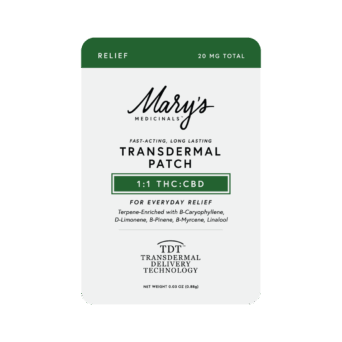
Here’s where a lot of the hemp vs marijuana debate gets muddled. Hemp is packed with CBD – typically 5-15% – and barely any THC. Modern marijuana strains have much higher levels of THC, sometimes reaching 30%, but only small amounts of CBD. CBD won’t get you high; what it supports is balance and calm. If you’re looking for science-backed support, Mary’s Medicinals’ Restore (CBD) Transdermal Patches and The Remedy – Restore 30:1 (CBD:THC) tincture are formulated to offer non-intoxicating calm, making them a solid pick if you want to feel steady – not spaced out. THC is what delivers euphoria and the sensations often tied to “traditional” cannabis products, so it makes sense why this legal distinction has so many scratching their heads.
The 0.3% Rule: Why It Trips Everyone Up
If you’ve ever been confused shopping for hemp vs marijuana products, the 0.3% rule is often to blame. It feels arbitrary because, well, it kind of is. The cutoff isn’t about how strong the effects may be – it’s just a legal definition. You can find legal hemp-derived delta-9 gummies in stores and online (sometimes even where marijuana remains off-limits), making it even more confusing for shoppers expecting a clear split between what is and isn’t intoxicating.
Legal in One Place, Restricted in Another: Navigating Hemp-Derived THC
Here’s another curveball: federally compliant hemp-derived delta-9 can be sold and shipped in many places where marijuana is still banned. This makes the boundaries blurry for consumers comparing what’s allowed in their state versus what’s federally greenlit. Scholarly research on the legal distinction between hemp and marijuana points out that even when the law reads one way, shopping (and shipping) experiences can tell a different story. The important part: whether you’re buying hemp- or marijuana-derived THC, the effects depend on the cannabinoids inside, not which plant it originated from.
Hemp vs Marijuana: Legal Difference, Not Physical Difference
It’s worth repeating: the legal division between hemp and marijuana is all about the THC percentage, not the chemical output or safety of your products. Hemp-derived delta-9 can feel identical to marijuana-derived delta-9 if the ratios are similar. Labels are helpful, but only if you know what you’re looking at. For example, “hemp-derived” does not equal non-psychoactive. A savvy shopper checks the lab results, serving sizes, and – most important – the cannabinoid ratio.
Common Misconceptions: Keeping It Real
- Hemp doesn’t always mean THC-free. Some hemp products have detectable (sometimes meaningful) levels of delta-9 THC.
- CBD and THC are different cannabinoids. CBD is most commonly found in hemp and is non-intoxicating, while THC is more concentrated in marijuana and is responsible for the classic “high.”
- Labels can be misleading. Legal compliance comes down to THC content by dry weight – this can be manipulated by altering serving sizes or concentrations.
- Understanding goes a long way. Get to know the composition of your products, including cannabinoid ratios and how you plan to use them.
How Mary’s Medicinals Builds Trust Through Science and Transparency
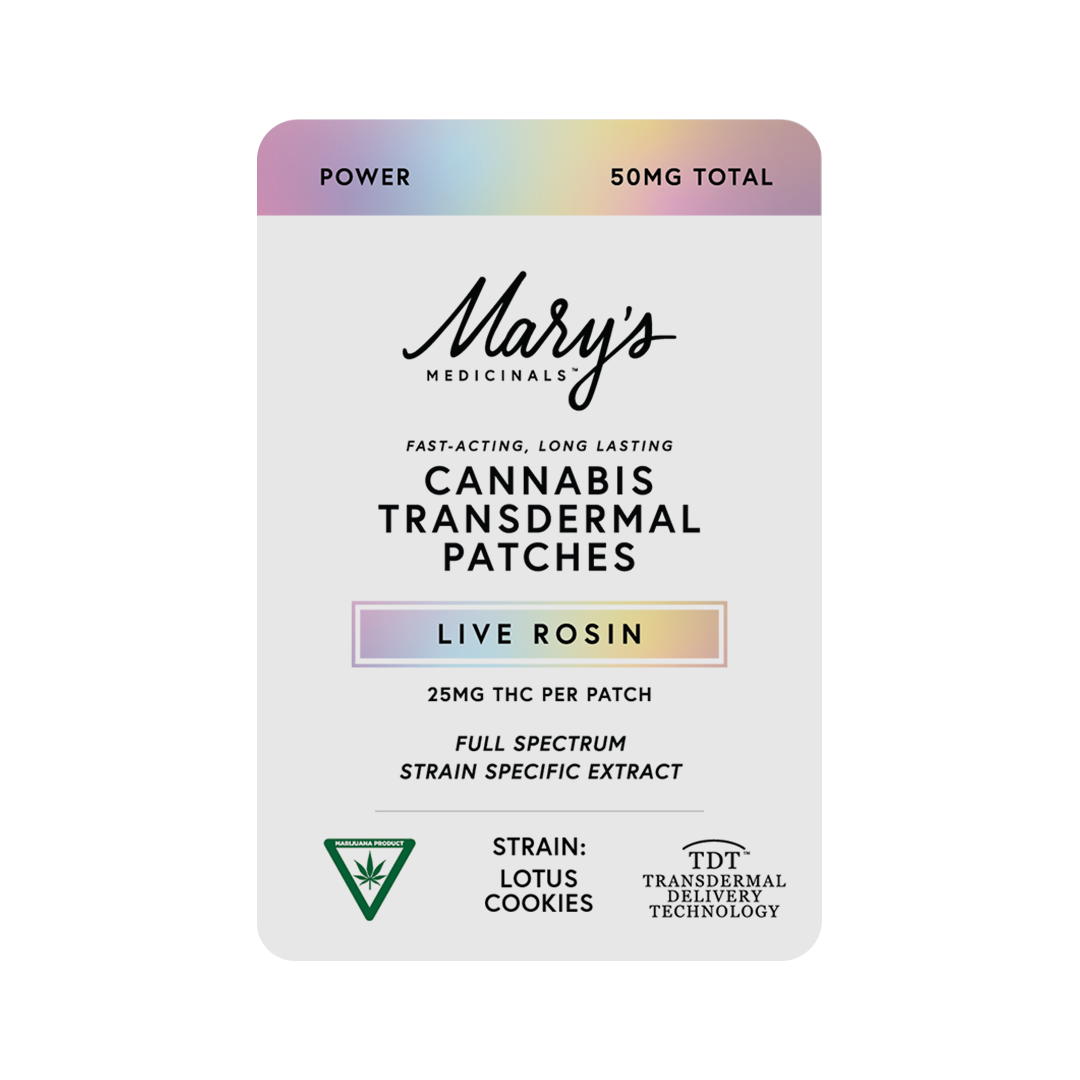
At Mary’s Medicinals, you’ll always find a focus on clarity and clinical-grade transparency. We’re all about science-backed cannabinoid delivery. Methods like our Transdermal Patches go 7 to 10 layers deep, delivering steady results you can trust – much more than a typical topical. Our proprietary terpene blends and cannabinoid ratios in every product line are tailored for targeted outcomes, not just a one-size-fits-all approach. You can always check the Learn hub if you want answers about specific cannabinoids, delivery science or how to pick the right option.
How to Shop for Cannabinoid Products with Confidence
Here’s some advice – keep a keen eye on product labels and cannabinoid content when you shop. Make sure you know the ratio (like that in the Relief (CBD:THC) or Focus (CBG) lines) and the delivery format. Mary’s offers a clear rundown on every label, and our Shop All page details choices suited to outcomes ranging from recovery to relaxation to relief. Want an extra layer of trust? Check batch-specific lab results before you buy. It never hurts to be a bit picky.
FAQs: Hemp vs Marijuana
- Is hemp the same as marijuana?
Both are Cannabis, but hemp has 0.3% or less delta-9 THC by dry weight. Marijuana tips over the 0.3% line. - Can hemp products get you high?
If they pack enough delta-9 THC (even if legal), they might. Always snoop on that label and check serving sizes. - What makes CBD different from THC?
CBD is non-intoxicating and common in hemp; THC is psychoactive and richer in marijuana. - Are hemp-derived gummies legal everywhere?
Federally, yes, if below 0.3% delta-9 THC. But some states say otherwise, so check local laws and buy from a brand that values transparency.
Conclusion: Bringing Clarity to Hemp vs Marijuana
The heart of the hemp vs marijuana conversation is regulatory, not experiential. Whether hemp-derived or marijuana-derived, what matters most are the cannabinoids in your product and how they fit your needs. If you want to make empowered, informed choices, dive deeper into cannabinoid science on our blog or reach out to the Mary’s team. We’re always ready to help you navigate your journey toward feeling better, every day.