Hemp cream vs cannabis cream sounds like one simple comparison, but the truth is you’re usually choosing between products that behave very differently on your skin. If you have ever bought something labeled “hemp” expecting a CBD-style experience and ended up with a perfectly nice moisturizer that did not do much else, you are not alone. A lot of confusion comes down to one thing: what part of the plant was used, and whether the jar actually contains cannabinoids in a meaningful amount.
Below, you’ll get a clear way to tell hemp seed oil skincare apart from CBD topicals and THC topicals, plus a quick label-reading checklist you can use before you check out. I’ll also show you how we think about consistent dosing and delivery at Mary’s Medicinals, since the format matters almost as much as the ingredients.
Hemp cream vs cannabis cream starts with what “hemp” really means
When most brands say hemp cream, they often mean a cream made with hemp seed oil. Hemp seed oil is pressed from the seeds, and it is genuinely useful for skincare. It is rich in fatty acids, feels lightweight, and can be a solid pick when your goal is softer, more comfortable skin.
Here is the catch: hemp seeds contain essentially no cannabinoids like CBD or THC. So if your idea of “hemp” is “this will feel like a cannabinoid topical,” a hemp seed oil cream may not match that expectation. If you want a plain-English explanation of this exact mix-up, Horn Creek Hemp lays out the differences between hemp cream and CBD cream in a way that makes label-reading easier at Horn Creek Hemp’s hemp cream vs CBD cream guide.
Hemp extract vs CBD: the label wording that trips people up
Let’s talk about the phrase hemp extract vs CBD, because it sounds scientific, but it is often a marketing language problem. “Hemp extract” can mean a cannabinoid-rich extract from the aerial parts of the hemp plant, or it can be used loosely to describe hemp seed oil. Same words, totally different experience.
If you want to avoid guessing, look for what is measurable:
- Milligrams on the label: A real CBD topical should clearly state how many mg of CBD are in the container.
- Third-party testing: Look for a current Certificate of Analysis (COA) that matches the product and batch.
- Ingredient clarity: If the ingredient list leans heavily on seed oil and never names CBD with an amount, you are likely buying skincare, not a cannabinoid product.
If you want a second perspective on this seed-oil-versus-cannabinoid distinction, British Cannabis covers the practical differences between hemp cream and CBD cream at British Cannabis’ breakdown.
Hemp cream vs cannabis cream: where CBD creams fit in
CBD cream is still “hemp-derived” in the legal sense when it comes from compliant hemp, but it is not the same thing as hemp seed oil cream. CBD comes from cannabinoid-rich parts of the plant, and it is the reason people reach for these products when they want more than simple moisture.
In day-to-day terms, you might use a CBD topical when you want targeted support after a long walk, a tough workout, or a day where your body just feels a little cranky in one spot. It is not about dramatic sensations. Often it is about realizing, a little later, that you are moving more comfortably.
Shopping tip you can actually use: don’t get distracted by a big “HEMP” headline on the front label. Flip the jar over, find the CBD mg, and then make sure the brand is transparent about testing.
THC cream: cannabis topical support that stays local for many people
THC cream comes from cannabis and includes tetrahydrocannabinol. THC is the cannabinoid most people associate with feeling high when cannabis is inhaled or eaten. Topicals are a different conversation. With many standard topicals, the goal is localized, on-body support where you apply it, not a head-change.
Your results still depend on the formula, your skin, and how much you use. Also, legality is the real divider. THC topicals are typically only available in states or regions with regulated cannabis programs.
If you want a realistic sense of timing, we put together a practical guide on onset and what can influence your experience at How long THC topicals take to work.
Quick comparison: hemp seed oil cream, CBD cream, and THC cream
If you are standing in front of a shelf (or scrolling a product page) and you want the simplest way to sort your options, try this:
- Hemp cream (hemp seed oil): Skincare-first. Great for moisture and a happy-looking skin barrier. Typically no meaningful CBD or THC.
- CBD cream: A cannabinoid topical. Chosen when you want targeted support while staying in the hemp-derived lane.
- THC cream: A cannabis-derived topical. Often chosen by people who have legal access and want stronger cannabinoid-focused support in a specific area.
What to check before you buy any topical (so you do not waste your money)
You do not need to be a chemist to shop smart. You just need a quick routine. Here is the checklist I use when I am evaluating a topical, especially online where you cannot touch the texture first.
- Find the active amount: Look for CBD or THC listed in milligrams. If it is missing, that is a signal.
- Confirm the category: “Hemp” can mean seed oil skincare or cannabinoid content. The mg number tells you which one you are buying.
- Check testing: Trust brands that make third-party lab reports easy to access and easy to match to the product.
- Pick a format you will actually use: If you hate greasy creams, you will not apply them consistently. Lotions, creams, and balm-style rubs all wear differently.
- Consider scent and botanicals: Essential oils and strong fragrances can be irritating for sensitive skin. If you react easily, choose simpler formulas and patch test.
How Mary’s thinks about hemp cream vs cannabis cream, plus delivery that fits real life
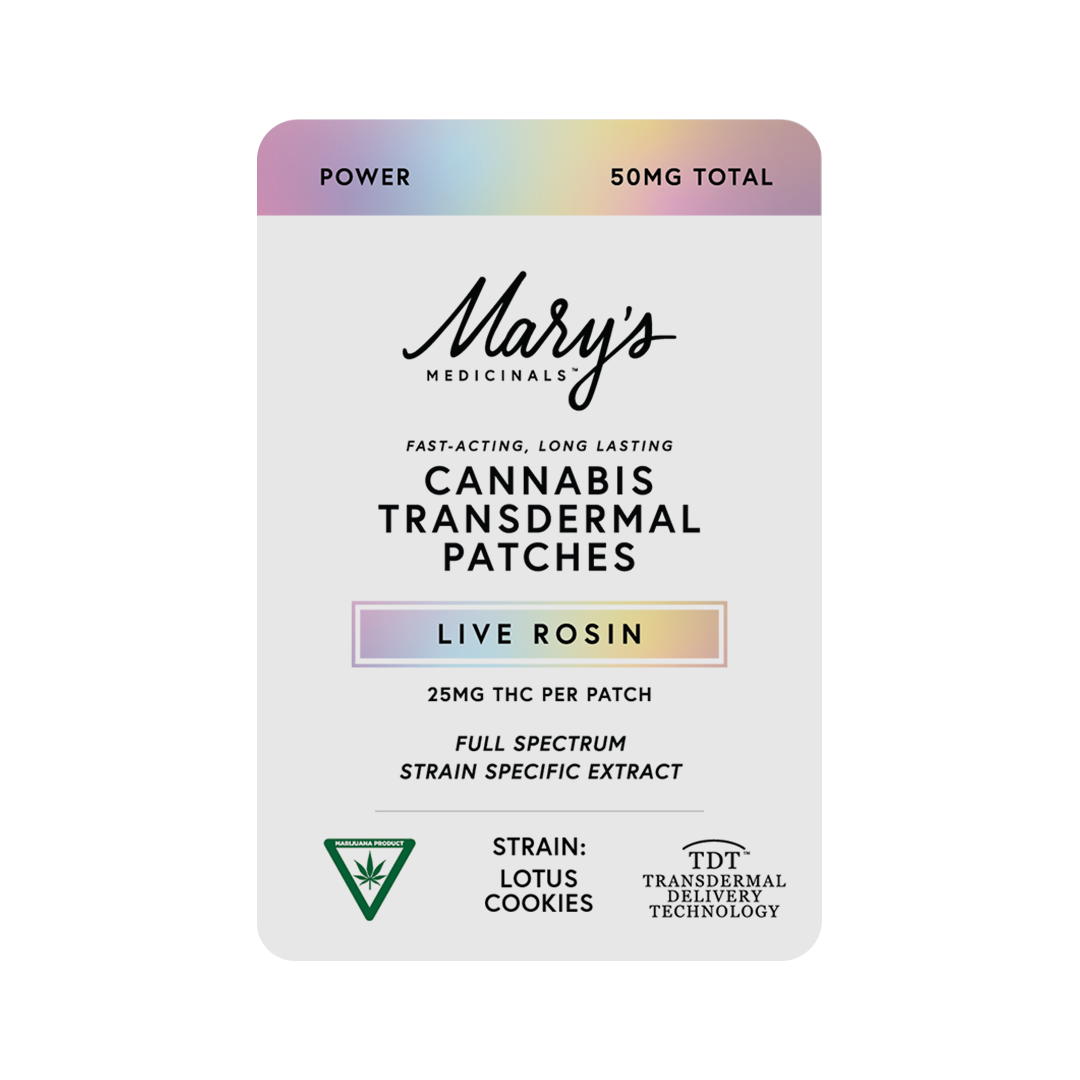
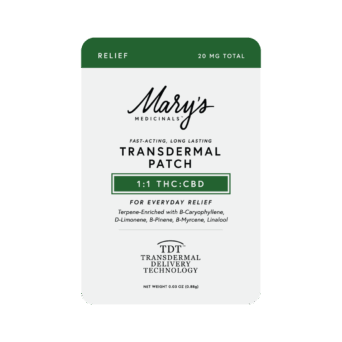
At Mary’s Medicinals, we build products around a simple idea: you deserve consistent dosing and a delivery method that makes sense for your day. That is why you will see topicals alongside transdermal options designed for deeper delivery. Bioavailability is the proportion of a drug or other substance which enters the circulation when introduced into the body and then has an active effect. Higher bioavailability can mean you may need less product to reach the same desired effect.
If you want to get familiar with cannabinoids, terpenes (responsible for the flavors, aromas, and effects of different cannabis strains), and why delivery method changes what you feel, our learning hub is a good place to start at Mary’s Medicinals Learn.
If you like a topical that also gives you an immediate cooling cue, you might enjoy reading how we think about that pairing in our Relief Muscle Freeze cooling ingredient guide. And when you are ready to compare formats side-by-side, you can browse our topical and transdermal lineup here: Transdermal and Topical products.
One quick note that matters: at Mary’s, our balm-style products are called compounds.
FAQ: Hemp cream, hemp extract, CBD cream, and THC cream
Is hemp cream the same as CBD cream?
No. Many hemp creams are made with hemp seed oil and are primarily for moisturization. CBD cream contains cannabidiol and should list the CBD amount in milligrams, ideally backed by third-party testing.
What does “hemp extract” mean on a label?
It depends on the brand. “Hemp extract” can refer to a cannabinoid-rich extract, or it can be vague wording that does not tell you how much CBD is actually present. If there is no CBD amount in mg, treat the claim as ambiguous and check the lab report.
Will a THC cream get you high?
Most standard THC creams are intended for localized use and do not typically create the same intoxicating effect associated with inhaled or ingested THC. Your experience can vary by formulation and your own sensitivity. Transdermal products are a different category than standard topicals.
Should you choose CBD cream or THC cream for sore spots?
Many people start with CBD for everyday, hemp-derived support. If you have legal access to cannabis topicals and you want a stronger cannabinoid option, THC creams may be worth exploring. The best choice depends on your goals, your tolerance, and what is available where you live.
How do you use cannabinoid topicals effectively?
Apply to clean, dry skin and rub it in well. Give it time before you add more. Start small so you can learn your personal response. If your skin is sensitive, patch test first and avoid broken skin unless the product label says it is appropriate.
Conclusion: choose the jar that matches your goal, not the buzzword
Once you understand hemp cream vs cannabis cream, shopping gets a lot less frustrating. Hemp seed oil creams are excellent skincare. CBD creams are cannabinoid topicals you can evaluate by mg and testing transparency. THC creams are cannabis topicals with tighter legal access and a different cannabinoid profile.
If you want to feel confident about what you are buying, stick to the basics: look for clear milligram labeling, confirm third-party testing, and pick a format that fits your routine. If you are still deciding, spend a few minutes in our education hub, then choose the simplest option you will actually use consistently.