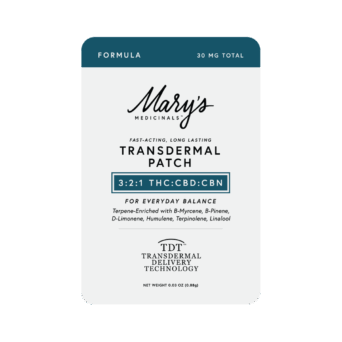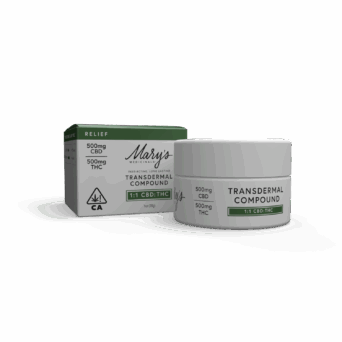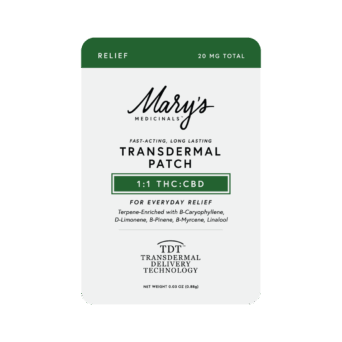
The entourage effect is the reason you’ll see terpenes listed right alongside cannabinoids on our transdermal patches. Flip over a Mary’s Medicinals Formula (THC:CBD:CBN) patch and you might spot names like beta-myrcene, linalool, or d-limonene. That is not “extra fragrance.” It is part of the blueprint.
When you choose a patch, you’re not just picking a cannabinoid ratio. You’re choosing a whole formula, including the supporting compounds that help shape how the experience lands. Around here we sometimes call it the Ensemble Effect, because the goal is a well-rehearsed group, not one loud solo.
The entourage effect explained (and why we also say Ensemble Effect)
The entourage effect is the idea that cannabis compounds can feel different, and often more well-rounded, when they show up together instead of in isolation. A single instrument can carry a tune, sure. Add the rest of the band and suddenly you have texture, pacing, and harmony.
If you want a clear consumer-friendly breakdown of how people use this term today, Medical News Today’s overview on what the entourage effect means in cannabis is a solid starting point.
We use Ensemble Effect because it better matches how formulation works in real life. It is not “THC plus extras.” Each piece can influence the overall feel, especially when you’re working with precise dosing and a delivery method designed for consistency.
Why terpenes matter to the entourage effect
Terpenes are aromatic compounds found all over nature. Citrus peels, pine needles, lavender, hops. Cannabis has them too, and they help drive the scent and flavor people associate with different varieties.
But terpenes are not only about aroma. In the context of the entourage effect, they are often discussed as “entourage compounds” because they may influence how cannabinoids behave in the body. A 2024 review in Pharmaceuticals digs into terpene roles in synergy and potential mechanisms like changes in permeability in terpenes as entourage compounds in cannabis formulations.
Our approach is simple: we treat terpenes like functional ingredients. We choose them with intention, then we test and refine until the formula feels like it has good structure, not sharp corners.
Entourage effect explained in our Formula (THC:CBD:CBN) Patch
Our Formula (THC:CBD:CBN) Transdermal Patch is built for long, steady support, with a curated terpene blend included on purpose. You’ll see terpenes like eucalyptol, beta-myrcene, pinene, linalool, d-limonene, alpha-humulene, and terpinolene on the ingredient list because they are part of the intended ensemble with the cannabinoids.
Want the specifics on dose and wear time? You can find them on the Formula (THC:CBD:CBN) Transdermal Patch product page.
Here is the plain-language way to think about our terpene choices: you’re not chasing a single note. You’re aiming for a profile that feels balanced over hours, not minutes.
| Terpene | Why we include it (plain-English role) |
|---|---|
| Beta-Myrcene | Often used in more evening-leaning profiles when you want the formula to feel physically settled rather than buzzy. |
| Linalool | Common in calming blends because it can help the overall feel come across smoother and less “edgy.” |
| D-Limonene | Frequently chosen to brighten the profile and keep the experience from feeling too heavy. |
| Pinene | Often included when the goal is a clearer, more even-keeled feel. |
| Eucalyptol, Terpinolene, Alpha-Humulene | Supporting terpenes that help round out the aromatic profile and complete the blend. |
Quick reality check: terpene effects are personal, and the science is still evolving. We formulate with terpenes because the best evidence points to meaningful interaction potential, not because terpenes are magic on their own.
Why delivery method can change how the entourage effect feels
How you take cannabinoids changes what actually makes it into circulation and how predictable the ride feels. With edibles, everything has to go through digestion and first-pass metabolism in the liver. That can transform compounds and make timing and intensity vary a lot from person to person.
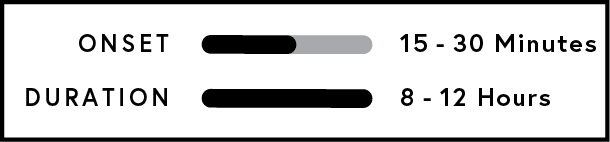
With transdermal delivery, the goal is different. A patch is designed to deliver cannabinoids through the skin and into the bloodstream over time. That steady, measured approach is one reason many people describe patches as easier to fit into everyday life.
Our patches are engineered to go 7 to 10 layers deep all the way into the bloodstream. That is also why we sweat the details on formulation and ingredient selection, including terpenes.
Entourage effect vs. Ensemble Effect: the language matters
You’ll hear “entourage effect” across the cannabis world, and we use it too because it is widely understood. But when we are talking shop, we often say Ensemble Effect. It keeps the focus where it belongs: on the relationship between cannabinoids, terpenes, and delivery.
If you want a deeper look at why we’re picky about words, we lay it out in Entourage Effect vs. Ensemble Effect: what these terms mean in formulation.
Also, we’ll say this plainly: the entourage effect is a strong, science-supported hypothesis with growing evidence, but it is not a single, settled law that predicts every outcome for every person. If you like to read the research directly, this open-access review on cannabinoid and terpene interactions in cannabis research is a good reference point.
How to get the most out of Mary’s patches (placement tips)
With transdermal products, where you place the patch can influence your experience. We recommend applying your patch to areas where skin is thinner and veins are closer to the surface:
- Inner wrist
- Top of the foot, also the easiest spot to keep discreet under a sock
- Back of the knee
Rotate placement between left and right sides over time. We generally do not recommend the ankle, upper arm, or lower back for optimal absorption because the skin is thicker there and harder for transdermal carriers to penetrate.
If you’re new to patches, give yourself time. Patches are designed for slow, consistent delivery, not an immediate peak. Start conservatively and pay attention to how your body responds.
FAQ: Terpenes, the entourage effect, and Mary’s Formula Patch
Do terpenes in patches do anything, or are they just for smell?
Terpenes definitely contribute aroma, but we include them for more than scent. Our goal is to support the entourage effect by formulating cannabinoids and terpenes to work together as a more complete ensemble.
Is the entourage effect proven?
It is not proven in every detail across every product type, but there is meaningful evidence for cannabinoid-terpene interactions, and the research base keeps expanding. We treat it as an evidence-backed formulation principle, not a guarantee.
Why choose a Formula (THC:CBD:CBN) patch instead of an edible if terpenes matter to me?
Edibles go through digestion and liver metabolism, which can make the experience less predictable and may change the chemical profile. A transdermal patch is designed for slow, steady delivery through the skin, which helps the intended formulation show up more consistently over time.
Will a Formula (THC:CBD:CBN) patch make me feel too high?
Sensitivity varies. Many people prefer patches because the delivery can feel steadier, but THC can still feel intoxicating depending on your dose and tolerance. Start low, choose placement thoughtfully, and give it time before deciding you need more.
Can I talk to someone if I’m not sure which patch is right for me?
Yes. Reach out through the Mary’s Medicinals Contact page and our team can help you narrow it down.
Conclusion
The entourage effect is the simple reason we use terpenes in our patches. You deserve a formula that feels considered, not cobbled together, and we design our terpene and cannabinoid blends to work like an ensemble. In a transdermal format, that ensemble is delivered slowly and consistently, which is exactly what many people want from a patch-based routine.