CBD lotion for pain can feel like it lives in a totally different universe than oral CBD, even when the labels show similar milligrams. You put one on your skin, you swallow the other, and suddenly your results change: speed, intensity, and whether you feel it in one spot or all over. If you have ever said, “CBD just doesn’t do anything for me,” you might not be wrong. You may have simply picked the wrong route.
At Mary’s Medicinals, we’ve always built around one practical idea: delivery matters. It’s not the flashy part of cannabis wellness, but it is the part that often decides whether a product fits your day or ends up forgotten in a drawer. Let’s walk through what you can expect from a topical CBD lotion, oral CBD, and our transdermal approach, plus an easy way to think about CBD dosage without turning it into a math class.
CBD lotion for pain: what “topical” really means on your body
When you rub on a CBD lotion or cream, most of that cannabinoid activity stays close to where you applied it. Think skin, muscles near the surface, and the tissues right underneath. For many people, that’s the whole point: you can point to the spot and you can put support right there. If your shoulder is cranky, your hands feel overworked, or your knees are talking back after a long day, topicals are often the simplest place to start.
That localized design is also why standard topicals typically do not create a strong whole-body feeling. They are not meant to move significant cannabinoids into the bloodstream. GoodRx does a solid job explaining why topical CBD products are generally aimed at localized effects rather than systemic effects.
The tradeoff is the skin barrier. Skin is excellent at its job, which is keeping things out. So if what you want is deeper, longer coverage, a basic lotion may feel helpful but limited.
How fast CBD lotion for pain tends to kick in (and how to use it like a real person)
Compared to anything you swallow, a CBD lotion usually feels quicker. Plenty of people notice a difference in the 15 to 45 minute range, then get a few hours of support depending on the formula and how much you used. Healthline summarizes this common timing in its rundown of typical CBD cream onset for pain.
Here’s the day-to-day reality that doesn’t show up on a label. Your “dose” with topicals is not just milligrams, it’s coverage and contact.
- Use enough product to fully coat the area, not a tiny dot.
- Massage it in for 30 to 60 seconds so it actually settles into the skin.
- Give it a little time before you decide it “didn’t work.”
- If you need to, reapply every few hours rather than going all-in once.
One more honest note: a stronger number on the jar does not automatically equal better results. Consistent use, plus a formula you like using, usually wins.
CBD lotion for pain vs oral CBD: why oral feels slower but broader
Oral CBD is the scenic route. Oils, capsules, and gummies go through digestion first, then through the liver, and finally out into circulation. That is why oral CBD is often used when you’re looking for more general, whole-body support rather than a single spot on your body.
The downside is that digestion adds variables. Meal timing, metabolism, and even the specific product can change how quickly you feel it. It’s common for oral CBD to take 30 minutes to 2 hours before you notice much.
The upside is duration. When oral CBD is a good match for you, it often lasts longer than a topical, which can make it feel more like a baseline routine than an “as needed” tool.
CBD dosage vs CBD oil dosage: keep the rules simple
This is where people get tripped up, so let’s make it plain.
With CBD lotion for pain, milligrams are not the whole story because a standard topical is not designed for meaningful bloodstream absorption. Your best “dosage” guide is practical:
- Cover the area thoroughly.
- Reapply based on your day, often every 3 to 6 hours.
- Pay attention to what changes when you adjust the amount or frequency.
With oral CBD, the math matters more. You can track milligrams per serving and adjust slowly. If you want a steadier way to dial it in:
- Start low.
- Take the same amount at the same time for several days.
- Increase in small steps until you find your sweet spot.
If you want a deeper (but still readable) guide to delivery, absorption, and bioavailability, our Mary’s Medicinals Learn hub on cannabinoid science and dosing concepts is a good place to wander.
| Format | Where it tends to act | Onset (typical) | Best fit | How to think about dosage |
|---|---|---|---|---|
| CBD lotion for pain (standard topical) | Mainly local skin and nearby tissues | Often ~15 to 45 minutes | Spot-specific, surface-level soreness | Apply for full coverage; reapply as needed |
| Oral CBD (oil, capsule, gummy) | Systemic, after digestion | Often 30 minutes to 2 hours | Generalized, whole-body support | Track mg per serving; increase gradually |
| Transdermal (patch or transdermal topical) | Designed to move deeper through skin layers and into the bloodstream | More gradual, steadier build | Targeted support with longer wear-time | Follow labeled mg and wear-time guidance |
Where standard cannabis topicals can fall short, and what transdermal changes
Standard cannabis topicals are great when you want local support and you do not want a systemic experience. But sometimes you want more than “a little help on the surface.” That’s not you doing anything wrong, that’s physics and biology doing what they do.
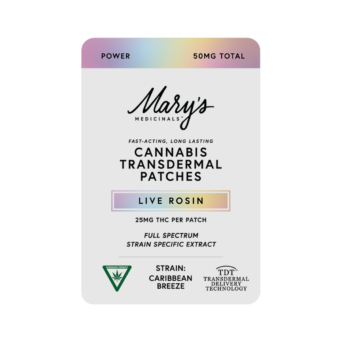
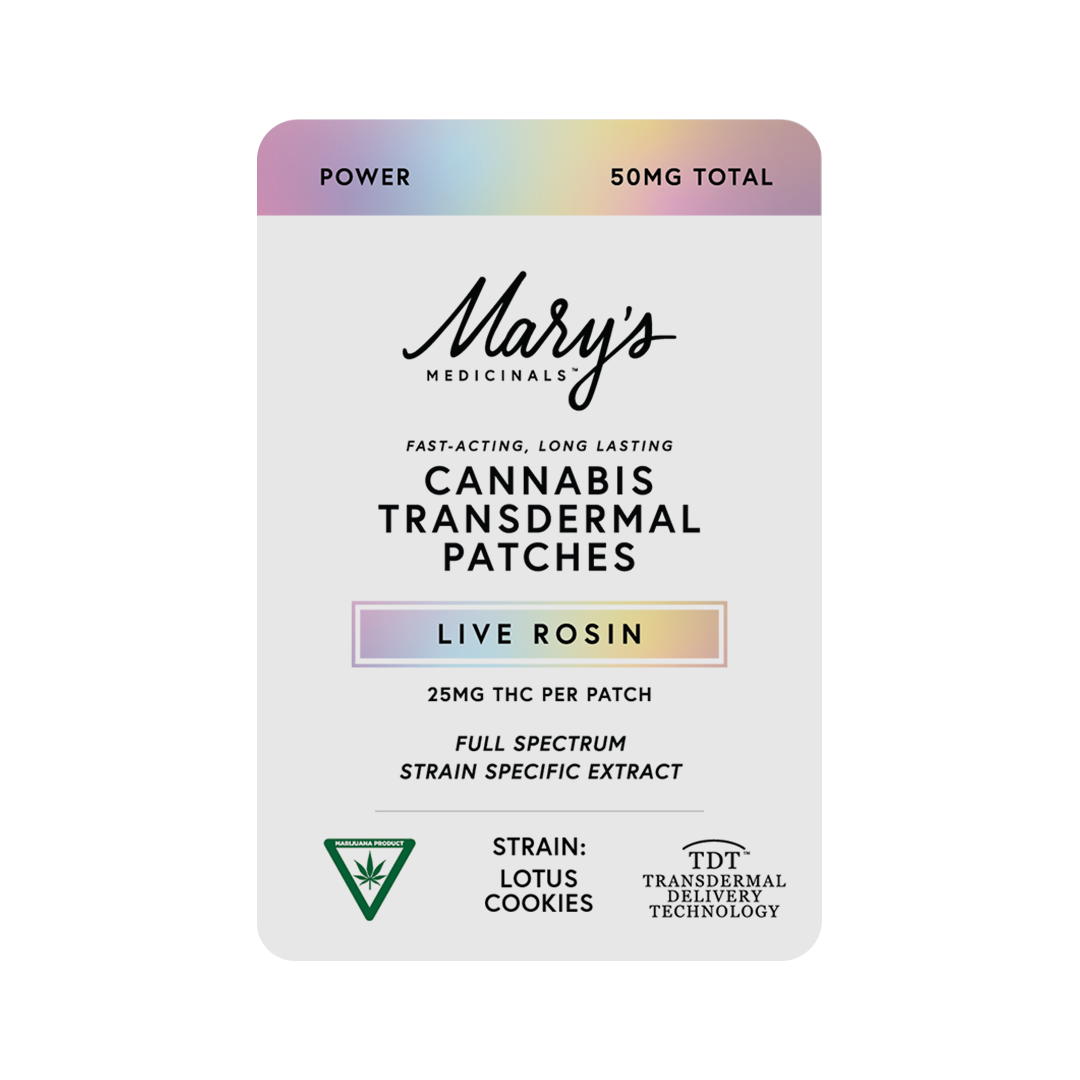
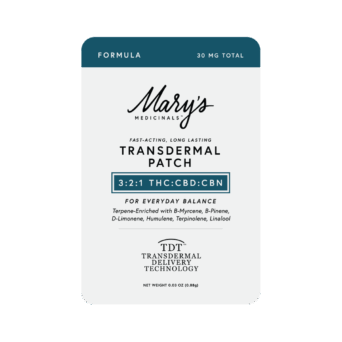
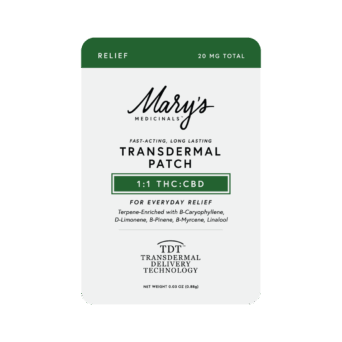
Transdermal products are built differently. They use carrier technology designed to move cannabinoids deeper through the skin. That shift can change the feel and the staying power. It’s also why we became known for transdermal delivery in the first place. Mary’s was the first company to bring transdermal cannabis products to market, and our patches are designed to go 7 to 10 layers deep, reaching the bloodstream for consistent, clinically inspired delivery.
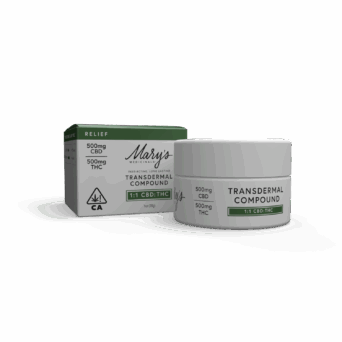
If you’re comparing options, you can browse our Transdermal & Topical products collection and see what fits your routine.
How to choose between CBD lotion for pain, oral CBD, and transdermal (without overthinking it)
If you want a quick decision framework, start with one question: can you point to the exact spot you want to support?
- Go with CBD lotion for pain when you want quick, local support and you prefer to keep the experience centered on one area.
- Go with oral CBD when you want systemic, whole-body support and you like the precision of a measurable CBD oil dosage.
- Consider transdermal when you want a steadier experience with deeper delivery than a standard topical can typically offer.
Timing matters too. A topical can slide into your day as a “before and after” step for a specific area. Oral CBD often works best as a consistent baseline. And yes, plenty of people mix formats on purpose, like a topical for one trouble spot plus a low, steady oral routine.
A quick, important note on THC in topicals and transdermals
You’re not alone if you’re cautious about THC. Many customers want the plant benefits without an intoxicating head change. In general, standard topicals are less likely to feel intoxicating because they are typically not designed for systemic absorption.
Transdermal products are different because they are designed to reach the bloodstream. That can change the experience and it can change practical considerations like workplace testing. If you use (or are considering) systemic THC products, take a minute with our blog post on THC patches and drug tests so you know what you’re signing up for.
What the research can say so far, and what it cannot
We love science, and we’re not going to pretend it has every answer tied up with a bow. Early research on topical cannabidiol formulations is promising, and topical CBD is generally considered well-tolerated, but researchers still call for larger, higher-quality human trials before making big universal claims. A peer-reviewed overview in PMC (NCBI) covers that balance in its review of topical cannabidiol formulations and current evidence limits.
The takeaway we give our friends and customers is pretty grounded: match the format to the goal, keep expectations realistic, and give your routine enough consistency to judge it fairly.
FAQ: CBD lotion for pain vs oral CBD
Is CBD lotion for pain better than oral CBD?
It depends on what you’re trying to support. CBD lotion for pain is usually a better fit when the discomfort is localized and you want faster, spot-specific support. Oral CBD is usually a better fit when you want broader, whole-body support and a more measurable serving size.
What is the right CBD dosage for a topical?
With a topical, think in terms of coverage and frequency rather than a perfect milligram number. Apply enough to cover the area well, massage it in, and reapply as needed, often every 3 to 6 hours.
How do I figure out my CBD oil dosage?
Start with a low amount in milligrams and keep it consistent for several days. Then increase gradually until you find the lowest amount that gives you the support you want. Keep timing and meals as steady as you can while you’re dialing it in.
Will cannabis topicals make me feel high?
Most standard cannabis topicals are designed to act locally and are less likely to feel intoxicating. Transdermal products are intended to reach the bloodstream, so they can feel different and may come with different considerations.
Can I use both a topical and oral CBD together?
Yes, many people do. A common approach is using a topical for a specific area while using oral CBD as a baseline routine. If you combine formats, change one thing at a time so you can tell what’s actually helping.
Conclusion
If you want CBD to feel more predictable, match the format to the job. CBD lotion for pain is usually the go-to for quicker, localized support. Oral CBD is slower, but it’s designed for whole-body coverage. Transdermal is the middle path we’re proud of, built for deeper penetration and consistent dosing. If you want help narrowing down a Mary’s routine that fits your comfort level and your day, reach out through the Mary’s Medicinals Contact page and we’ll point you in the right direction.