Cannabis dosing is one of those things that can make you feel like you did everything “right” and still got a totally different result than your friend. Same gummies, same milligrams, same night on the couch. They’re pleasantly chatty, and you’re suddenly negotiating with your blanket like it’s a weighted decision. That isn’t you being dramatic. It’s just how bodies handle cannabinoids: differently, and sometimes unpredictably.
We see it all the time, and it’s the reason we talk so much about Bioavailability, delivery method, and routine. Once you understand a few real-world variables, you can dial in a cannabis routine that feels more consistent and a lot less like guesswork.
Cannabis dosing starts with bioavailability, not the number on the label
Bioavailability is the proportion of a drug or other substance which enters the circulation when introduced into the body and then has an active effect. In plain terms, it explains why “10 mg” doesn’t always feel like 10 mg. Some of that dose never makes it into your bloodstream, and the portion that does can vary depending on the route you choose and what your body does with it along the way.
If you want the science version, cannabinoid pharmacokinetics research consistently points to big person-to-person variability with oral products, even when the dose stays the same. A review available in the NIH PubMed Central library digs into why oral cannabinoid absorption can swing so widely.
| Delivery method | What people usually notice | Typical onset | Why it varies so much |
|---|---|---|---|
| Inhalation (smoking/vaping) | Fast feedback, quicker peak | About 3 to 10 minutes | Inhale depth, lung function, product potency |
| Oral edibles/capsules | Longest ride, most surprises | About 30 to 90 minutes, sometimes longer | Digestion speed, liver metabolism, food, enzymes |
| Sublingual tinctures | Middle ground, easier to adjust | About 15 to 45 minutes | How long you hold it, formulation, swallowing |
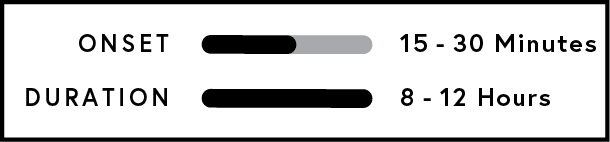
| Transdermal patches | Steady, gradual feel | About 1 to 2 hours to fully settle in | Placement, skin differences, wear time |
If you like learning the “why” behind formats and cannabinoids, we keep a growing library on the Mary’s Medicinals education hub.
Why oral cannabis dosing can feel like a moving target
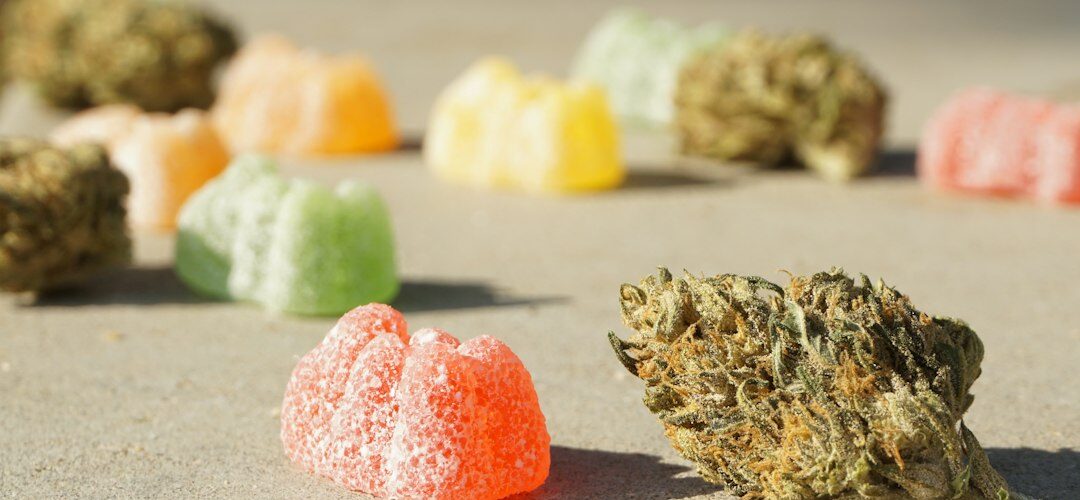
Edibles are discreet and long-lasting, which is exactly why people love them. They are also the format most likely to make you say, “Wait, why is this hitting me like that today?”
When you swallow THC, it has to get through digestion and then pass through your liver before it reaches systemic circulation. That liver step is what people mean by first-pass metabolism, and it changes both timing and intensity. One big reason is that the liver can convert delta-9-THC into 11-hydroxy-THC, which can feel stronger for some people than inhaled THC.
The other classic edible issue is impatience. You take a dose, nothing happens at 45 minutes, so you take more. Then everything “shows up” at once. If you want fewer surprises with edibles, give your body a consistent runway before you adjust your dose.
Cannabis dosing with food: the quiet factor that changes everything
Food is the sneaky variable most people don’t track until they get burned by it once. Cannabinoids are fat-loving molecules, so taking an edible with a higher-fat meal can increase absorption for many people. On an empty stomach, the same labeled dose might feel lighter or come on differently.
What matters here is not chasing a perfect setup. It’s picking a repeatable one. If you usually dose after dinner, keep doing that. If you usually dose on an empty stomach, keep it consistent. The more you control your pattern, the easier it is to learn what a particular milligram number means in your body.
Why THC patches change cannabis dosing (and why they often feel steadier)
THC patches live in a different lane than edibles because they are not depending on digestion. Transdermal delivery is designed to move cannabinoids through the skin and into systemic circulation, which helps you avoid that first-pass liver detour.
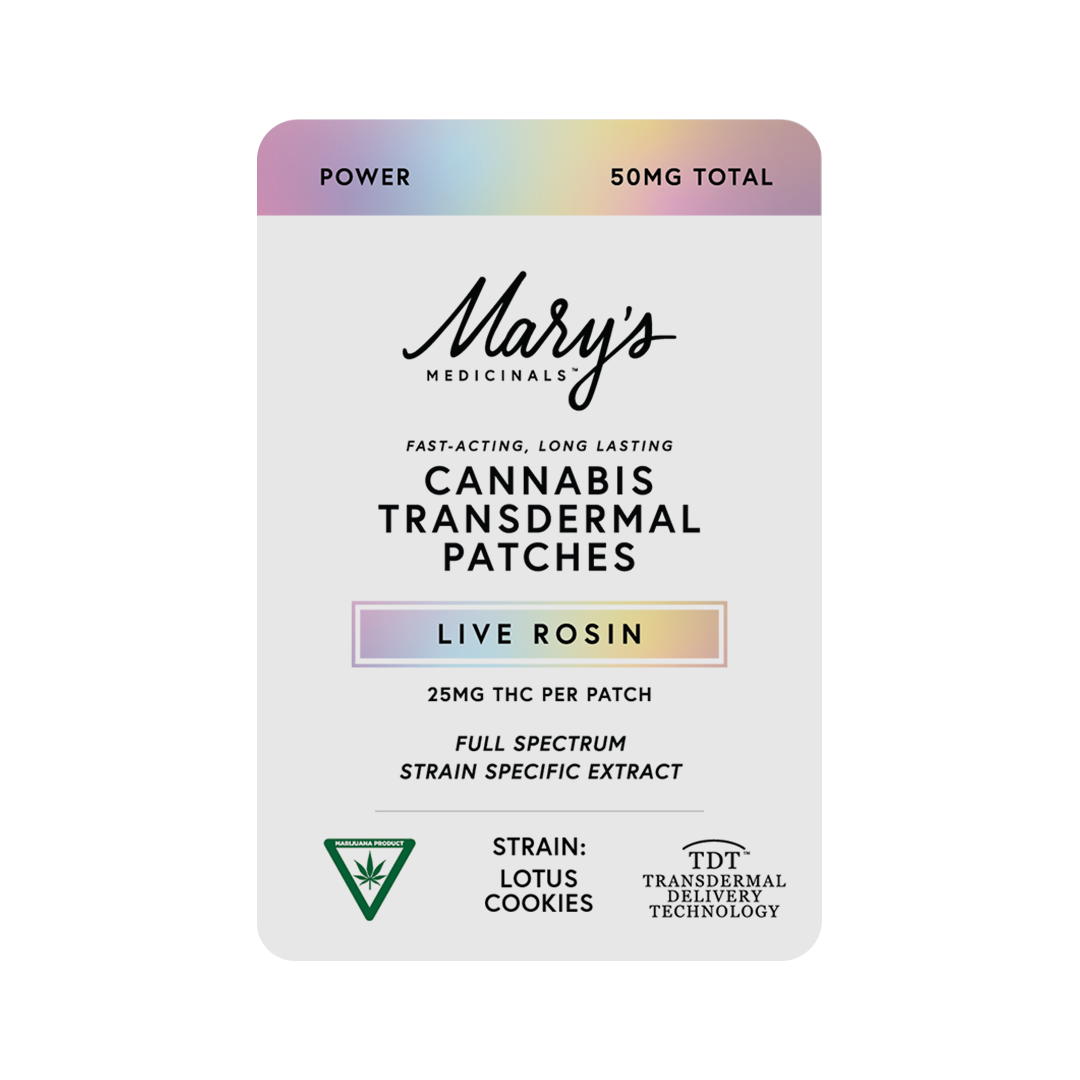
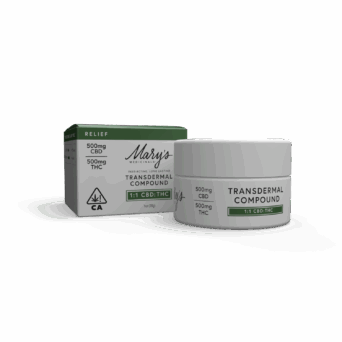
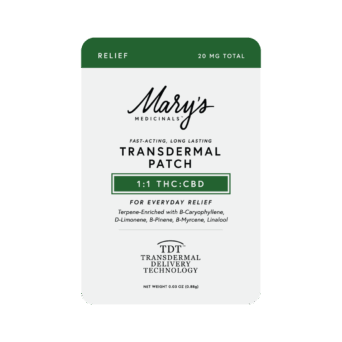
At Mary’s, our transdermal patches are made with practical daily use in mind: discreet, simple, and built for more controlled release. Our patches are intended to travel 7 to 10 layers deep into the skin and into the bloodstream. In real life, that tends to feel less like a spike and more like a steady glide.
If you want to explore options, start with our Transdermal & Topical products collection. If you are the comparison-shopping type, our guide on what to compare when shopping for THC patches lays out the details that actually matter when you are reading labels.
The human variables behind cannabis dosing differences
Even when two people use the same delivery method, the same dose, and the same product, their experience can land differently. That’s not a flaw in the plant. It’s normal biology.
- Metabolism and enzymes: Liver enzyme activity varies person to person. Genetics, age, and other substances can all play a role.
- Body composition: Cannabinoids are lipophilic, so they can distribute into fatty tissue. For some people, that shifts how long effects feel like they last.
- Tolerance and frequency: If you use THC regularly, your baseline can be very different from someone who uses occasionally.
- Other cannabinoids and ratios: THC and CBD together can feel different than THC alone, and minor cannabinoids can shift the overall vibe too.
- Medications and interactions: Some medications influence the enzymes that process cannabinoids. If you take prescription meds, check in with a qualified clinician before making major changes.
CBD dosage and cannabis dosing: why one chart rarely helps
CBD is often described as non-intoxicating, but dosing it can still be surprisingly personal, especially with oral products. One person takes a CBD capsule and feels like nothing happened. Another takes the same milligrams and notices it right away. That variability is well-documented in cannabinoid pharmacokinetics research, including overviews shared through the National Library of Medicine.
If you want a more dependable approach, focus on consistency before you focus on increasing milligrams. Same product, same time of day, same meal conditions, and give each adjustment a few days before you call it a “yes” or a “no.”
How to make cannabis dosing more predictable (without over-optimizing your life)
You cannot control every variable, but you can control enough to make your results steadier. Aim for repeatable, not perfect.
- Match the delivery method to your goal: Fast feedback often points to inhalation or sublingual. A steadier experience often points to transdermal options.
- Start low and go slow: Especially with THC. Give your body time to respond before adding more.
- Keep your routine boring on purpose: For edibles, keep meals similar. For patches, use consistent placement and rotate sites.
- Write it down for two weeks: Note milligrams, time, food, and how you felt at 1, 2, and 4 hours. Patterns show up faster than you think.
- Stay label-literate: Look for clear cannabinoid amounts in mg and accessible lab testing.
Patch placement matters more than most people expect. We recommend applying transdermal patches to the inner wrist, top of the foot, or back of the knee, where skin is thinner and veins are closer to the surface. For discretion, the top of the foot is usually the easiest. Rotate left and right sides so your skin gets a break and your results stay more consistent.
FAQ: cannabis dosing, bioavailability, THC patches, and CBD dosage
Does cannabis dosing really hit everyone differently?
Yes. Bioavailability, metabolism, tolerance, body composition, food, and delivery method all change timing and intensity, even when the label dose matches.
Why do edibles feel stronger or last longer than inhaled cannabis?
Oral THC goes through first-pass metabolism in the liver and can convert into 11-hydroxy-THC. Effects also take longer to arrive, which can lead to stacking if you re-dose too soon.
What makes THC patches feel steadier than edibles?
Transdermal delivery is designed to bypass digestion, supporting a more controlled release into systemic circulation over time. For many people, that means fewer spikes and a smoother experience.
Where should you place a transdermal patch for best results?
Use areas with thinner skin and good blood flow like the inner wrist, top of the foot, or back of the knee. Rotate between left and right sides, and avoid thicker-skin spots like the ankle, upper arm, or lower back if your goal is optimal absorption.
Is there a correct CBD dosage for everyone?
No single number fits everyone. Research shows high variability in how people absorb and respond to CBD, especially with oral formats. Start low, stay consistent, track your response, and adjust gradually.
Conclusion: cannabis dosing gets easier when you control what you can
If cannabis has ever felt inconsistent, you are not doing it wrong. Cannabis dosing is shaped by Bioavailability, delivery method, your personal biology, and the context around each dose, especially food and timing. When you pick a format that fits your day and keep your routine consistent, you set yourself up for results that feel more predictable.
If you want help choosing what fits your lifestyle, start by exploring our transdermal line, then reach out through the Mary’s Medicinals contact page. We’ll point you toward options that make sense for your goals and your comfort level.