The endocannabinoid system is the built-in reason cannabis wellness makes sense in the first place. If you’ve ever thought, “Why does THC feel so noticeable, but CBD can feel more low-key?” you’re not imagining things. You already have an internal signaling network that recognizes cannabinoid-like messages and uses them to help keep you steady. Once you get the gist of it, choosing cannabinoids, formats, and timing stops feeling like a guessing game.
At Mary’s Medicinals, we’ve always treated cannabis like a wellness tool: consistent, discreet, and rooted in real-world science. That’s a big part of why we pioneered transdermal delivery and why we brought forward cannabinoids like THCa and CBN early. When your goal is reliable support, the “how” matters just as much as the “what.” The ECS is the why behind all of it.
Endocannabinoid system basics: what the ECS is really doing all day
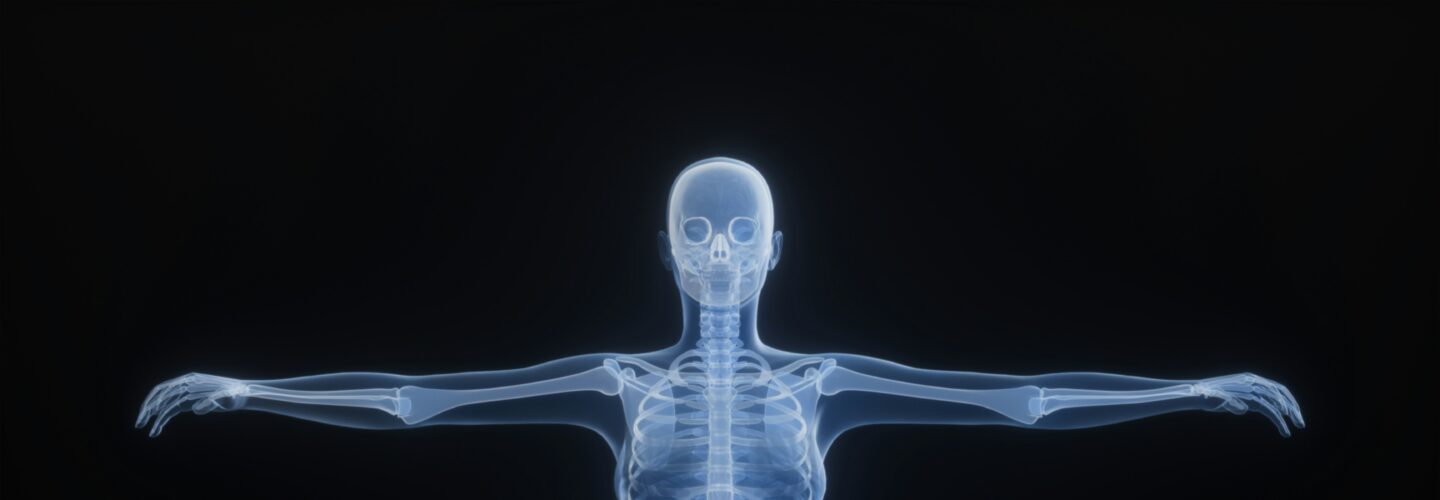
Your endocannabinoid system, often shortened to ECS, is a body-wide communication system that helps you maintain homeostasis, which is just a another way of saying internal balance. It’s involved in everyday functions like sleep, mood, memory, appetite, pain perception, and immune activity. If you want a simple overview that shows how widespread the ECS is, Healthline’s endocannabinoid system guide lays it out in plain language.
We like to describe the ECS like a set of quiet adjustments in the background. It’s not trying to blast one system on or off. It’s more like fine-tuning, nudging things up or down based on what your body is dealing with.
The endocannabinoid system basics: the 3 moving parts you should know
You don’t need a biology degree to understand the ECS. There are three pieces that matter most, and they work together in a loop: your body makes a signal, receptors “read” it, and then enzymes clear it out.
- Endocannabinoids: these are compounds your body makes that look and act a lot like cannabinoids from the plant. The two you’ll hear about most are anandamide and 2-AG. They’re made on demand, used, then broken down.
- Receptors: cannabinoid receptors sit on cell membranes and receive those signals. The big two are CB1 and CB2.
- Enzymes: these are the cleanup crew. They break endocannabinoids down after they’ve done their job. FAAH is often linked with anandamide breakdown, and MAGL is often linked with 2-AG.
This is why cannabis can feel so dose-dependent. You’re adding plant cannabinoids into a system that already self-regulates. Sometimes that’s a gentle nudge. Sometimes it’s a bigger shift, especially if your product format hits fast or your dose jumps too quickly.
CB1/CB2 receptors and the endocannabinoid system: why “where” matters as much as “what”
Most of what you experience from cannabis comes down to receptors and location. CB1 receptors are heavily associated with the brain and central nervous system. CB2 receptors show up more in immune cells and peripheral tissues. So even before you get into strain talk or terpene preferences, the map matters.
If you want a clinician-leaning breakdown that connects receptor location to function, WholisticMatters’ overview of CB1 and CB2 receptors is a solid read.
This is also why we encourage you to shop smarter than hype. A product’s cannabinoid profile, dose, and delivery method are what shape how strongly you engage CB1 and CB2 pathways.
How cannabinoids work with the endocannabinoid system (and why they don’t all feel the same)
Plant cannabinoids, called phytocannabinoids, can interact with the ECS because they’re similar enough to your own endocannabinoids to influence the same network. Cannabis has a long list of cannabinoids, and they don’t all behave the same way. Some bind more directly to receptors. Others act more indirectly, like changing how your natural endocannabinoids stick around or how other signaling systems respond.
The takeaway you can actually use is simple: two products can both be cannabis and still feel wildly different. That’s normal. Different cannabinoids have different “personalities,” and your body’s context matters too: sleep debt, stress, food, tolerance, and timing can all change the feel.
THC vs. CBD: two approaches inside the same endocannabinoid system
THC and CBD both live in the same ecosystem, but they tend to take different routes through it. THC is best known for activating CB1 receptors more strongly, which is closely tied to intoxication. Depending on dose and your personal sensitivity, that can feel relaxing, immersive, or sometimes just a little too loud for the moment.
CBD is usually described as non-intoxicating because it doesn’t activate CB1 the way THC does. It’s often discussed as supporting the ECS more indirectly, including through interactions that may influence endocannabinoid breakdown and other receptor systems. If you like seeing that explained in everyday language, Back 9 Botanicals’ explanation of the endocannabinoid system gives a consumer-friendly summary.
In real life, this difference is why many people reach for CBD-forward products when they want to stay clear and functional, and reach for THC-inclusive formulas when they want a more obvious shift. There’s no “best” choice across the board. There’s only what fits your day.
Where THCa and CBN fit into your endocannabinoid system routine
Once you start paying attention to minor cannabinoids, cannabis wellness can feel less one-size-fits-all. THCa and CBN are two of the cannabinoids we’ve championed because they give you more options when you’re building a routine with intention.
One detail that matters is chemical form. THCa for example is the acidic form found in raw cannabis, before heat changes it through decarboxylation. That shift changes how it behaves and how it may interact with CB1 and CB2 activity. If you want the clear, label-level explanation of what changes and why heat matters, use our guide THCa vs THC and how decarboxylation changes effects.
CBN is another cannabinoid many people associate with nighttime routines, especially when it’s paired thoughtfully with other cannabinoids. For you, the practical value is choice. Minor cannabinoids give you more levers to pull when you’re trying to match a product to a specific time of day or a specific vibe.
Why delivery method matters for endocannabinoid system support: bioavailability and consistency
The ECS explains why cannabinoids can affect you. Delivery method often explains how consistently you feel them. Bioavailability is the proportion of a drug or other substance which enters the circulation when introduced into the body and then has an active effect. Bioavailability can vary a lot between inhaled, edible, sublingual, topical, and transdermal formats.
If you’ve ever had an edible take forever, hit harder than expected, or feel different from one day to the next, that’s frequently about digestion and metabolism, not luck.
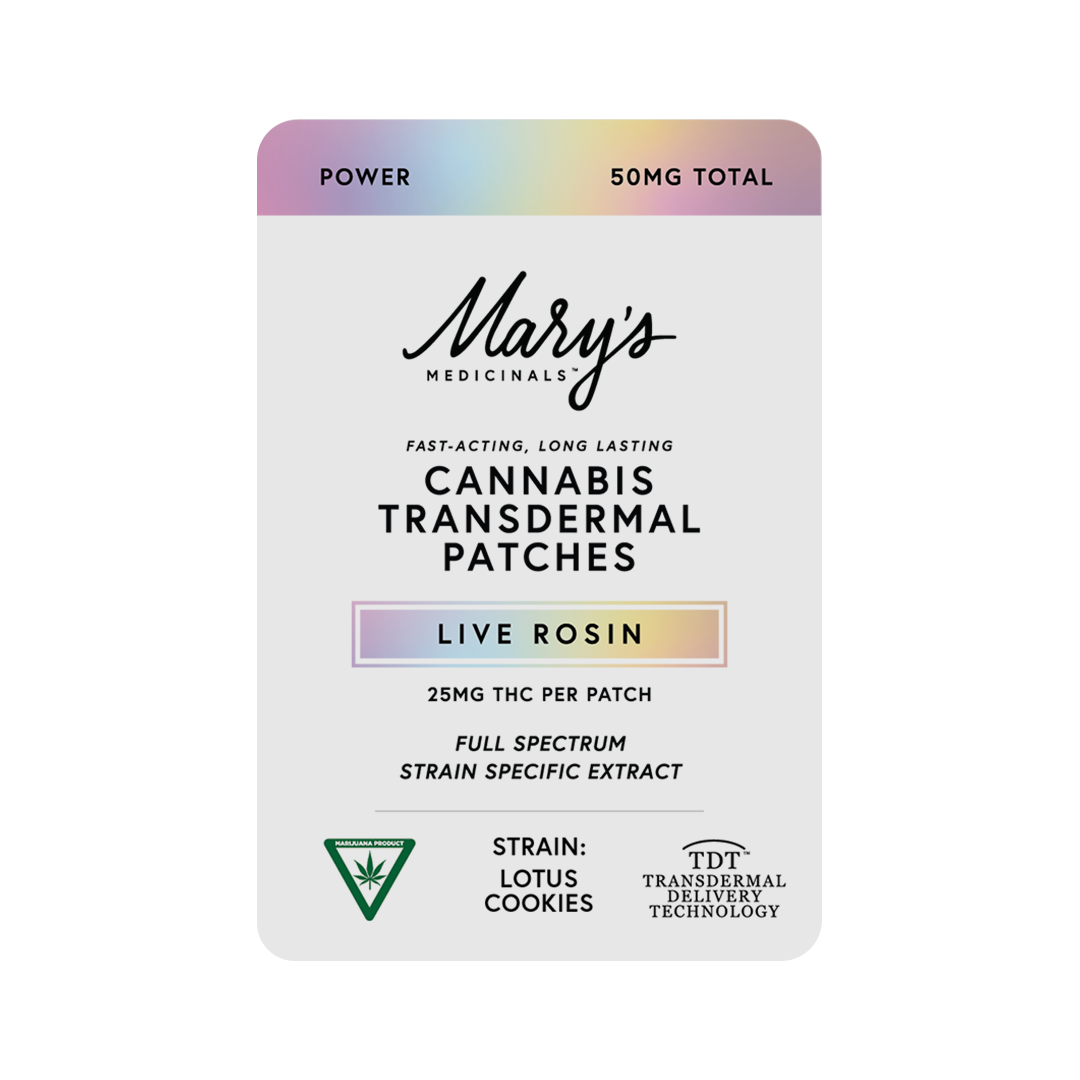
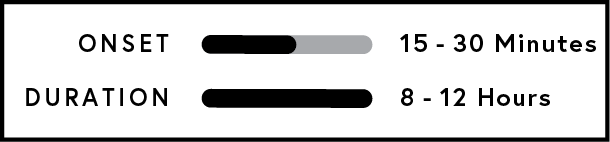
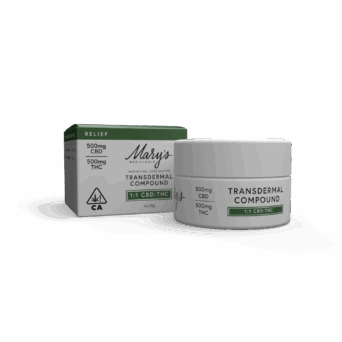
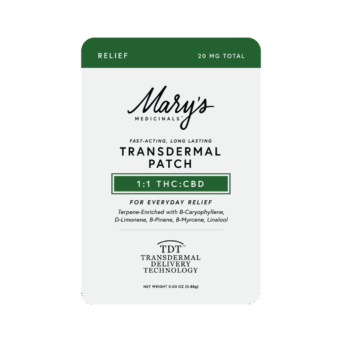
Transdermal delivery is designed for systemic absorption through the skin and it bypasses digestion. Our transdermal patches are built for clinical-grade delivery, and Mary’s Medicinals Patches go 7 to 10 layers deep all the way into the bloodstream. If your priority is discreet, steady support, explore our Transdermal & Topical Products collection.
A smarter daily routine for your endocannabinoid system (without overthinking it)
You can keep this simple. A good routine is less about chasing intensity and more about choosing something repeatable that fits your actual life.
- Name your goal first: wind down, stay even during a stressful week, or support recovery after movement.
- Pick cannabinoids that match the moment: THC-forward products tend to feel more noticeable. CBD-forward options often feel steadier and more daytime-friendly.
- Stick with one variable at a time: keep your dose and delivery method consistent for a few days before you judge results.
- Choose consistency-friendly formats: if you want a gradual release, transdermal products are often easier to live with than fast-on, fast-off options.
And one more older-wiser-friend note: if you’re always trying to “feel something big,” you can miss the sweet spot. Many people find their best routine is the one that’s subtle enough to repeat.
Patch placement tips: small choices that can change your experience
If you use transdermal patches, placement is part of the delivery system. We recommend applying patches to the inner wrist, top of the foot, or back of the knee, where skin is thinner and veins are closer to the surface. For discretion, the top of the foot is usually the easiest spot to wear a patch and forget about it.
Rotate placement between left and right sides to keep your skin comfortable. We don’t recommend the ankle, upper arm, or lower back for optimal absorption because the skin tends to be thicker there and harder for transdermal carriers to penetrate.
FAQ: Endocannabinoid system and cannabis wellness
Is the endocannabinoid system only activated by cannabis?
No. Your ECS is active all the time using your own endocannabinoids. Cannabis simply adds plant cannabinoids that can interact with the same signaling network.
What’s the difference between CB1 and CB2 receptors?
CB1 receptors are most associated with the brain and central nervous system and are strongly linked to THC’s intoxicating effects. CB2 receptors are more associated with immune and peripheral tissues and are often discussed in relation to immune signaling and inflammation-related support.
Why does CBD feel different than THC?
Many people experience CBD as less intoxicating because it does not activate CB1 the same way THC does. It’s often described as working more indirectly in the ECS, including through effects related to endocannabinoid breakdown.
Do transdermal cannabis products affect the endocannabinoid system?
Yes. If cannabinoids reach systemic circulation, they can interact with ECS receptors throughout the body. Transdermal delivery is designed for steadier, more predictable absorption by bypassing digestion.
Where can you learn more about Mary’s approach to cannabinoids and delivery?
If you want help choosing a format or building a routine that fits your goals, reach out through our Mary’s Medicinals contact page and we’ll point you in the right direction.
Conclusion: the endocannabinoid system is your “why”
When you understand the endocannabinoid system, cannabis wellness starts to feel less like luck and more like basic biology. CB1 and CB2 receptors help explain why THC, CBD, THCa, and CBN can land so differently. Delivery method helps explain why the same cannabinoid dose can feel steady in one format and unpredictable in another.